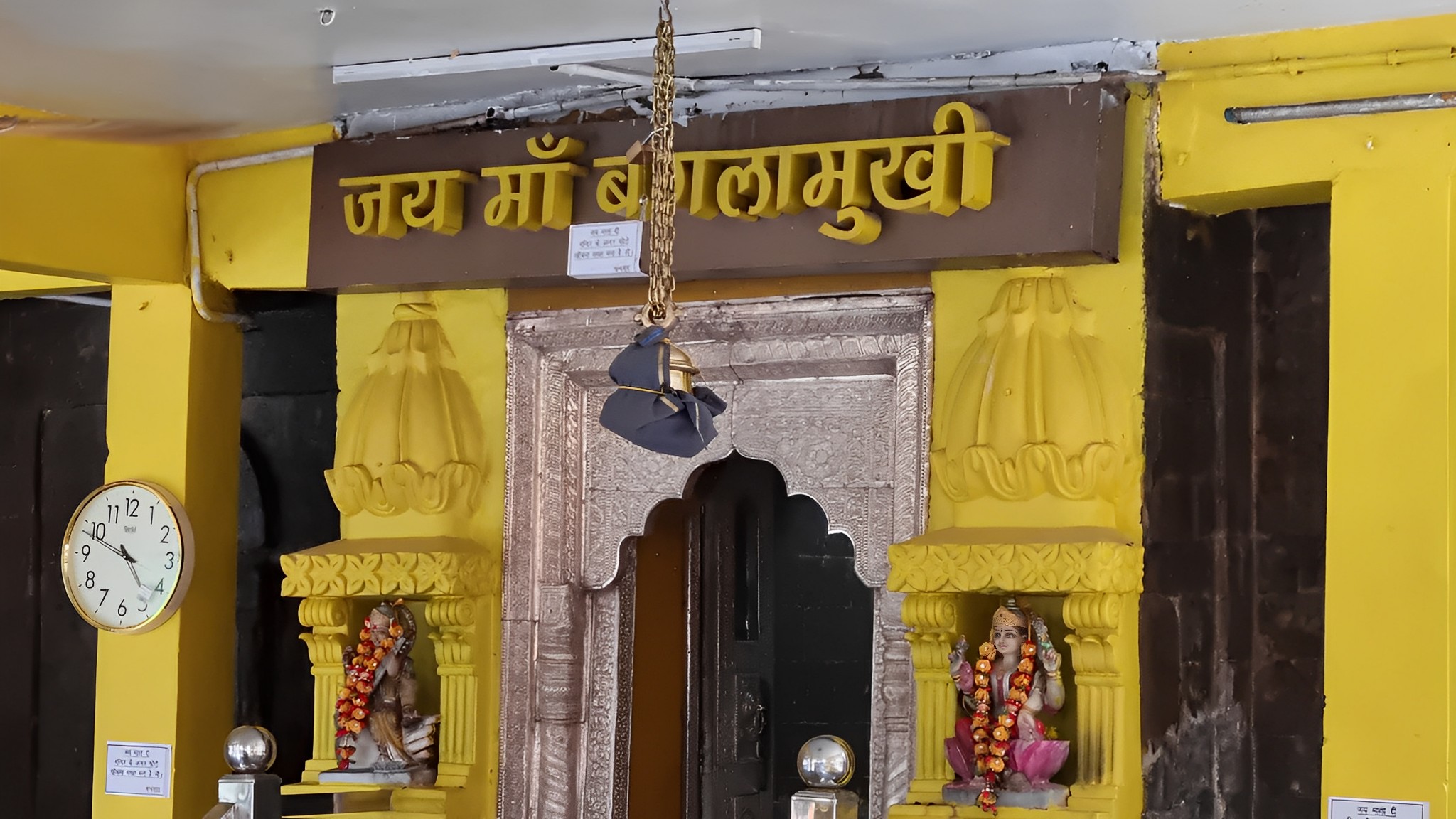
About Jwala Devi Temple
Jwala Devi Temple, also known as Jwalamukhi Temple, is one of the most revered Hindu shrines in Himachal Pradesh and is counted among the sacred 52 Shakti Peethas of the Indian subcontinent. Located in the town of Jwalamukhi in Kangra district, the temple is unique because it does not house a traditional idol of the goddess. Instead, devotees worship a series of natural eternal flames that emerge from fissures in the rock inside the sanctum.
According to Hindu belief, the temple marks the spot where the tongue of Goddess Sati fell after the cosmic event in which Lord Shiva carried her body across the universe. The continuously burning flames are considered manifestations of the Divine Mother herself and have been worshipped for centuries.
The temple attracts thousands of pilgrims throughout the year who come to seek blessings, offer prayers, and witness the miraculous flames that have never been extinguished despite the passage of time.
The Nine Sacred Flames
The eternal flames inside the temple are believed to represent nine forms of Goddess Durga:
- Mahakali – Symbolizes devotion, spiritual strength, and liberation.
- Annapurna – Bestows food, prosperity, and abundance.
- Chandi – Represents power and the destruction of evil forces.
- Hinglaj Bhavani – Protects devotees and removes suffering.
- Vindhyavasini – Relieves sorrow and grants peace.
- Anjana (Anji Devi) – Associated with longevity, happiness, and well-being.
- Ambika – Blesses devotees with children and family prosperity.
- Saraswati – Goddess of knowledge, wisdom, and learning.
- Mahalakshmi – Grants wealth, success, and material prosperity.
Each flame has its own spiritual significance, and devotees often offer prayers to a specific manifestation depending on their wishes and needs.
Legends Associated with the Temple
Like many ancient temples in India, Jwala Devi Temple is surrounded by fascinating legends and folklore.
One popular story tells of a local cowherd who noticed that one of his cows returned home every day with little milk. Curious, he followed the cow into a nearby forest and witnessed a mysterious young girl drinking its milk. The event appeared miraculous, and he informed Raja Bhumi Chand, the ruler of the region.
The king believed the girl to be a manifestation of Goddess Durga and ordered a search of the area. During this search, natural flames were discovered emerging from the earth. Recognizing the site’s divine significance, Raja Bhumi Chand constructed a temple at the location.
Another local tradition states that the Pandavas from the Mahabharata visited the shrine during their exile and either built or renovated the temple. This belief remains popular among local residents and is reflected in traditional folk songs sung in the region.
Jwala Devi Temple During the Mughal Period
The temple’s fame reached far beyond the Himalayan region, attracting the attention of Mughal Emperor Akbar.
According to local traditions, Akbar visited the shrine and attempted to extinguish the sacred flames to test their authenticity. Despite his efforts, the flames continued to burn uninterrupted. Deeply impressed by the miracle, he offered a golden umbrella (chhatra) to the goddess as a mark of respect.
Legend says that the gold transformed into an unknown metal, which devotees interpreted as the goddess declining the emperor’s offering. Even today, this story remains an important part of the temple’s oral history and spiritual heritage.
Architecture of Jwala Devi Temple
The architecture of Jwala Devi Temple reflects a blend of traditional North Indian and Indo-Sikh influences. Unlike many temples where the main focus is an idol, the central sanctum here is devoted entirely to the sacred flames emerging from the rock.
The temple features:
- A beautifully decorated entrance.
- A gold-plated dome gifted by Maharaja Ranjit Singh.
- Silver-plated temple doors donated by his son, Kharak Singh.
- Bells and offerings presented by rulers and devotees from various regions, including Nepal.
- Sacred kunds and ritual spaces used during worship ceremonies.
The spiritual atmosphere of the temple, combined with the sight of the natural flames, creates a unique pilgrimage experience.
Festivals and Celebrations
The temple comes alive during the Navratri festivals celebrated twice each year.
Chaitra Navratri (March–April)
Thousands of devotees gather to seek the blessings of Jwala Mata. Special prayers, devotional songs, and religious ceremonies are organized throughout the festival.
Ashwin Navratri (September–October)
This is another major pilgrimage period when the temple hosts the famous Jwalamukhi Fair (Mela). Pilgrims from Himachal Pradesh, Punjab, Haryana, Jammu, and other parts of North India visit the shrine in large numbers.
The temple complex is beautifully decorated with lights and flowers during these occasions.
Temple Timings
Summer Schedule
| Ritual | Timing |
|---|---|
| Temple Opening | 5:00 AM |
| Mangal Aarti | 5:00 AM – 6:00 AM |
| Bhog Aarti | 11:30 AM – 12:30 PM |
| Evening Aarti | 7:00 PM – 8:00 PM |
| Shayan Aarti | 9:30 PM – 10:00 PM |
| Temple Closing | 10:00 PM |
Winter Schedule
| Ritual | Timing |
| Temple Opening | 6:00 AM |
| Mangal Aarti | 6:00 AM – 7:00 AM |
| Bhog Aarti | 11:30 AM – 12:30 PM |
| Evening Aarti | 6:00 PM – 7:00 PM |
| Shayan Aarti | 8:30 PM – 9:00 PM |
| Temple Closing | 9:00 PM |
Visitors are advised to arrive early during weekends and festivals, as the queues can become quite long.
How to Reach Jwala Devi Temple
By Air
The nearest airport is Kangra Airport (Gaggal Airport), located approximately 50 kilometers from the temple. Taxis and buses are readily available from the airport to Jwalamukhi.
By Train
The nearest broad-gauge railway station is Pathankot, around 120 kilometers away. From Pathankot, travelers can hire a taxi or take a bus to reach the temple.
For a scenic journey, visitors can also travel on the famous Kangra Valley Narrow Gauge Railway, which passes through picturesque mountain landscapes. The nearest station is Jwalamukhi Road Railway Station, about 20 kilometers from the temple.
By Road
Jwala Devi Temple enjoys good road connectivity with major towns of Himachal Pradesh and neighboring states.
Approximate distances:
- Dharamshala – 55 km
- Kangra – 35 km
- Hamirpur – 50 km
- Chandigarh – 200 km
- Pathankot – 120 km
- Delhi – 470 km
Regular Himachal Road Transport Corporation (HRTC) and private buses operate from major cities to Jwalamukhi.
Nearby Attractions
Kangra Fort
Located around 35 kilometers from Jwala Devi Temple, Kangra Fort is one of India’s oldest and largest hill forts. It offers stunning views of the surrounding valleys and holds immense historical significance.
Brajeshwari Devi Temple
Situated in Kangra town, this famous Shakti Peeth is dedicated to Goddess Brajeshwari and is often visited along with Jwala Devi Temple as part of a spiritual circuit.
Chamunda Devi Temple
Another revered shrine in Kangra district, Chamunda Devi Temple stands on the banks of the Baner River and offers beautiful mountain views.
Dadasiba Temple
Known for its exquisite wall paintings and architecture, Dadasiba Temple is a hidden cultural gem near Jwalamukhi.
Dharamshala and McLeod Ganj
Located within driving distance, these popular hill destinations offer Tibetan culture, monasteries, scenic viewpoints, and trekking opportunities.
Masroor Rock-Cut Temples
These remarkable monolithic temples carved from a single rock are among the most fascinating archaeological sites in Himachal Pradesh.
Best Time to Visit
The best time to visit Jwala Devi Temple is between October and March, when the weather remains pleasant and suitable for sightseeing. The Navratri festivals in March-April and September-October are considered especially auspicious for pilgrimage.
Maps
FAQs
Why is Jwala Devi Temple famous?
Jwala Devi Temple is famous for its naturally occurring eternal flames, which are worshipped as manifestations of Goddess Durga and are believed to have been burning for centuries.
Is there an idol inside the temple?
No. Unlike most Hindu temples, Jwala Devi Temple does not contain an idol. The sacred flames themselves are worshipped as the goddess.
Which body part of Goddess Sati fell here?
According to Hindu tradition, Goddess Sati’s tongue fell at this location, making it one of the sacred Shakti Peethas.
What is the best time to visit the temple?
October to March offers pleasant weather, while the Navratri festivals attract the largest number of pilgrims.
How much time is required for a visit?
Most visitors spend between 1 and 3 hours at the temple. During festivals, waiting times may be significantly longer.
Can photography be done inside the temple?
Photography is generally restricted inside the main sanctum. Visitors should follow the guidelines issued by temple authorities.
Is accommodation available near the temple?
Yes. Jwalamukhi town offers dharamshalas, budget hotels, guesthouses, and a few mid-range accommodation options for pilgrims and tourists.