Image Source: Muhammad Habibur Sarder
About Hazratbal Shrine
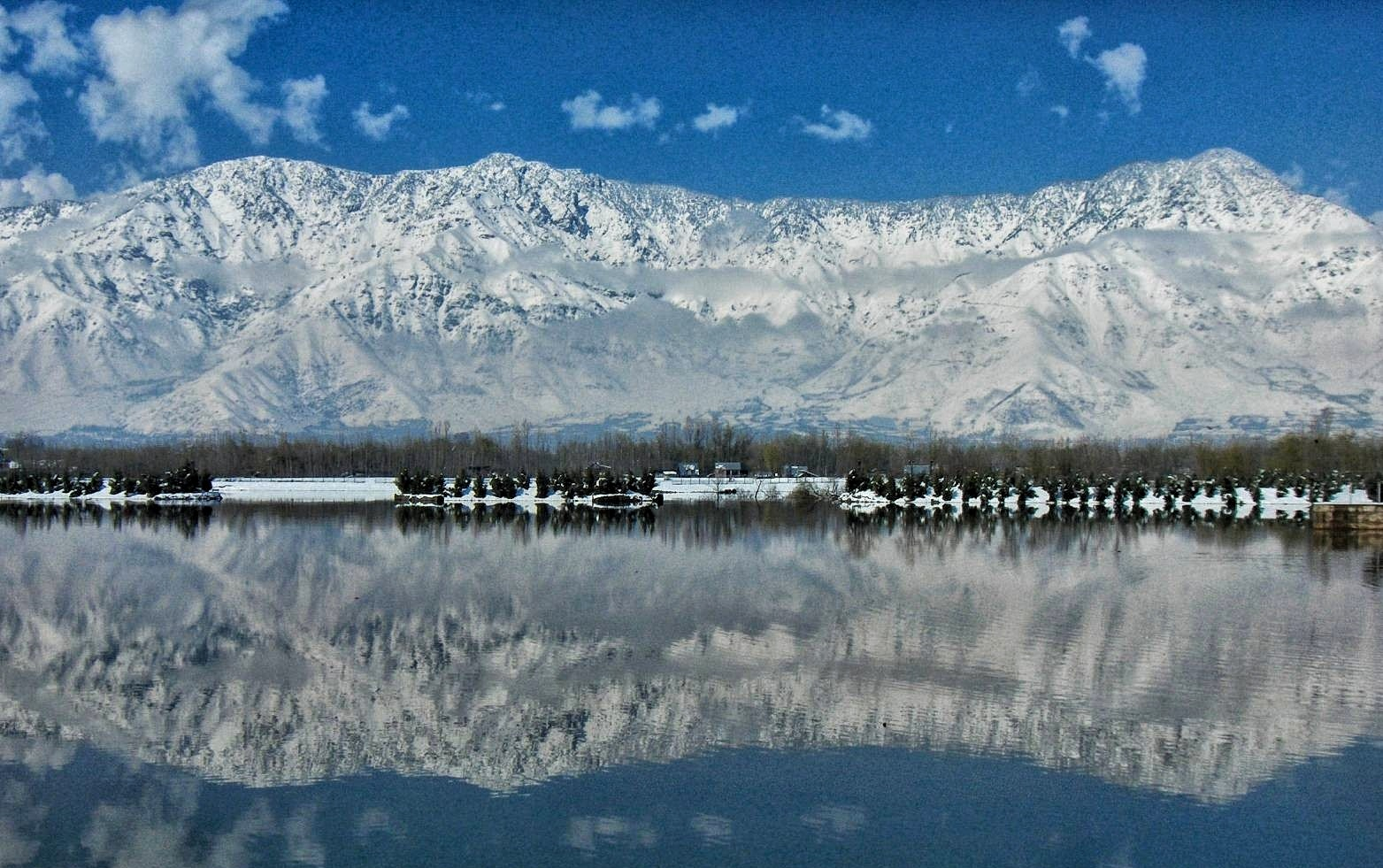
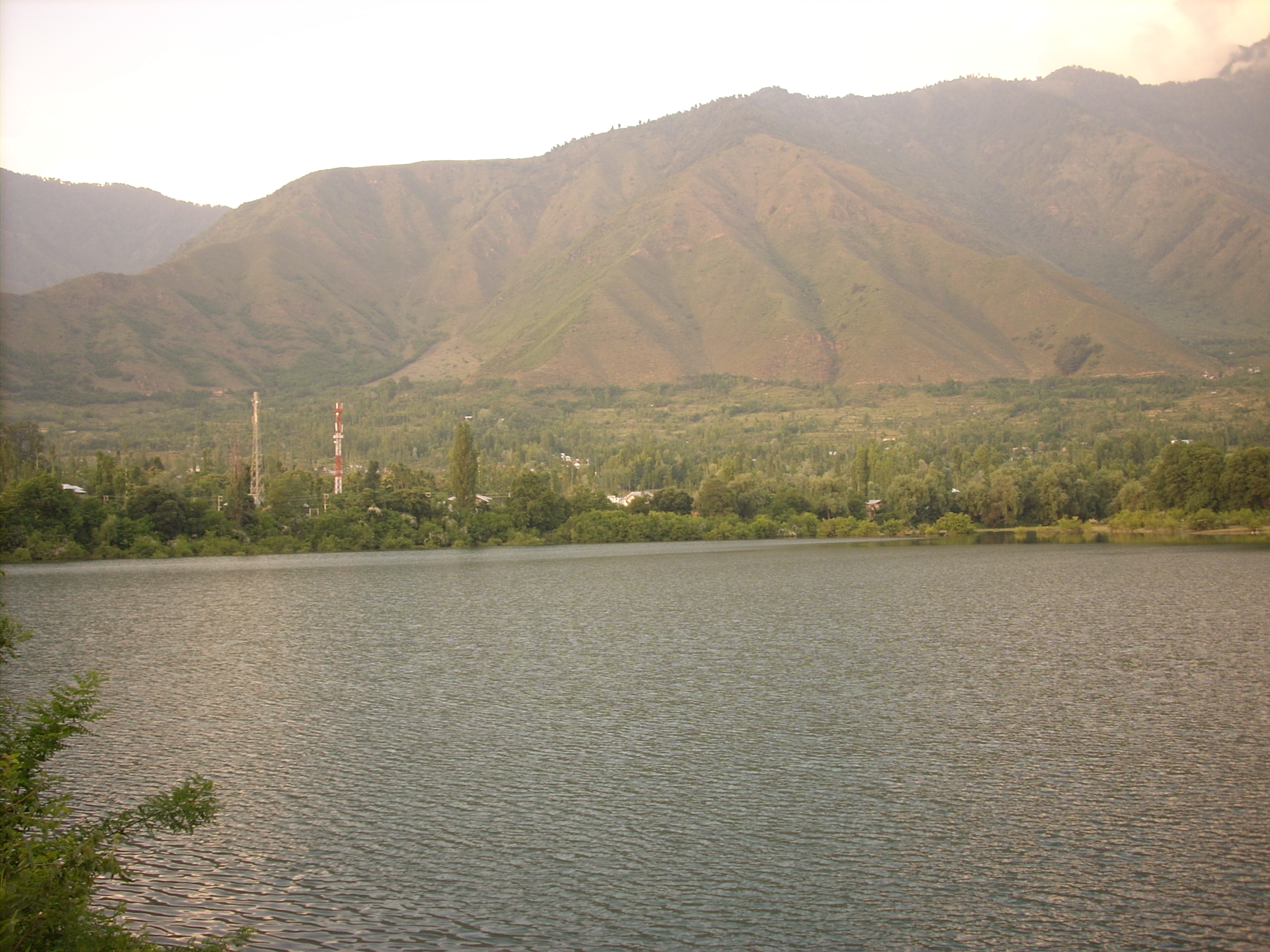
Nestled along the northern shores of the famous Dal Lake in Srinagar, the revered Hazratbal Shrine is considered one of the holiest Muslim shrines in Kashmir. Surrounded by the majestic Zabarwan Hills and reflected beautifully in the calm waters of the lake, the shrine is not only a place of worship but also a symbol of faith, peace, and Kashmiri heritage.
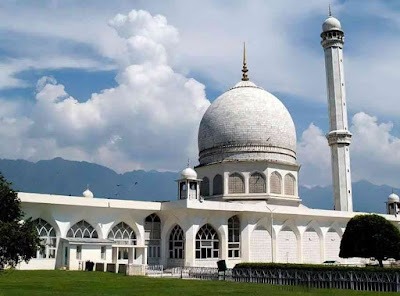
What makes Hazratbal deeply sacred is the relic preserved here, known as the Moi-e-Muqqadas, believed to be a strand of hair of Prophet Muhammad (PBUH). For centuries, devotees from different parts of India and beyond have visited the shrine to offer prayers and seek spiritual solace. The atmosphere around Hazratbal feels serene and contemplative, especially during the early morning and evening prayers when the white marble structure glows softly against the mountain backdrop.
Apart from its religious importance, Hazratbal is also admired for its elegant architecture, tranquil surroundings, and cultural significance in Kashmiri society. Whether you visit as a pilgrim, history enthusiast, or traveler exploring Srinagar, the shrine leaves a lasting impression through its spiritual charm and scenic beauty.
History
The history of Hazratbal dates back to the Mughal era. Before becoming a sacred shrine, the site was originally known as Ishrat Mahal, a beautiful garden estate built during the reign of Mughal emperor Shah Jahan. In 1623, Sadiq Khan, the Mughal Subedar of Kashmir, transformed the estate into a prayer hall and religious center.
The shrine gained immense religious importance in the 17th century when the sacred relic associated with Prophet Muhammad (PBUH) arrived in Kashmir. Historical accounts state that the relic was brought to the Valley by Syed Abdullah and eventually enshrined at Hazratbal after passing through several custodians. Over time, the site evolved into the most revered Islamic shrine in Kashmir.
Unlike many Mughal-era mosques that remained architecturally unchanged, Hazratbal continued to expand and develop over the centuries. Much of the present white marble structure and its grand appearance took shape during the 20th century. Today, it stands as a blend of Mughal elegance and modern Islamic architecture.
Architecture of Hazratbal Shrine
One of the most striking features of Hazratbal Shrine is its dazzling white marble façade that shines beautifully against the blue waters of Dal Lake. The shrine’s architecture is simple yet graceful, reflecting a blend of Mughal and Indo-Islamic influences.
Key Architectural Highlights
- A magnificent white marble dome, unique among Kashmiri mosques.
- A tall and elegant minaret standing beside the main structure.
- Beautiful arched doorways and delicate lattice-style detailing.
- A spacious marble courtyard where thousands gather for prayers.
- Separate prayer areas and ablution facilities for men and women.
The symmetry of the structure and the openness of the courtyard create a calming spiritual atmosphere. Unlike heavily ornamented monuments, Hazratbal’s beauty lies in its simplicity and purity. During winter, the snow-covered surroundings make the shrine appear even more breathtaking.
Religious Importance of Hazratbal
For Muslims in Kashmir, especially the Sunni community, Hazratbal holds unmatched spiritual significance. The shrine safeguards the sacred relic known as the Moi-e-Muqqadas, which is displayed publicly only on important Islamic occasions.
Thousands of devotees gather during festivals such as:
- Eid-e-Milad-un-Nabi.
- Shab-e-Meraj.
- Jumat-ul-Vida.
- Other major Islamic observances.
The public display of the relic is considered a deeply emotional and sacred event. People often travel long distances just to witness the relic and participate in prayers.
Hazratbal is also regarded as an important center of Islamic learning and scholarship in Kashmir. Religious discussions, sermons, and gatherings frequently take place within the shrine complex, making it a cultural as well as spiritual landmark.
The Spiritual Atmosphere Around the Shrine
One of the reasons visitors remember Hazratbal so fondly is the peaceful ambiance surrounding it. The sound of prayers echoing through the courtyard, the sight of pigeons flying above the marble dome, and the calm waters of Dal Lake nearby create an atmosphere of remarkable tranquility.
Early mornings are especially beautiful when mist rises over the lake and the shrine appears wrapped in silence. During sunset, the changing colors of the sky add to the spiritual charm of the place. Even non-religious visitors often find the environment soothing and reflective.
The shrine also serves as a gathering place for the local community, where faith, culture, and tradition come together harmoniously.
How to Reach Hazratbal Shrine
By Road
Hazratbal Shrine is located around 8–10 kilometers from Lal Chowk, the main city center of Srinagar. It is easily accessible by:
- Taxis
- Auto-rickshaws
- Local minibuses
The drive itself is scenic, especially along the stretches bordering Dal Lake.
By Shikara
Travelers looking for a traditional Kashmiri experience can reach Hazratbal by Shikara ride across Dal Lake. The journey offers stunning views of the lake, floating gardens, and surrounding mountains.
By Air
The nearest airport is Srinagar International Airport, located approximately 20 kilometers from the shrine. Taxis are readily available from the airport.
Best Time to Visit Hazratbal Shrine
Hazratbal can be visited throughout the year, but each season offers a different experience.
October to April
Winter brings snowfall and chilly weather, creating a serene and magical setting around the shrine. The snow-covered Zabarwan Hills make the landscape especially picturesque.
May to September
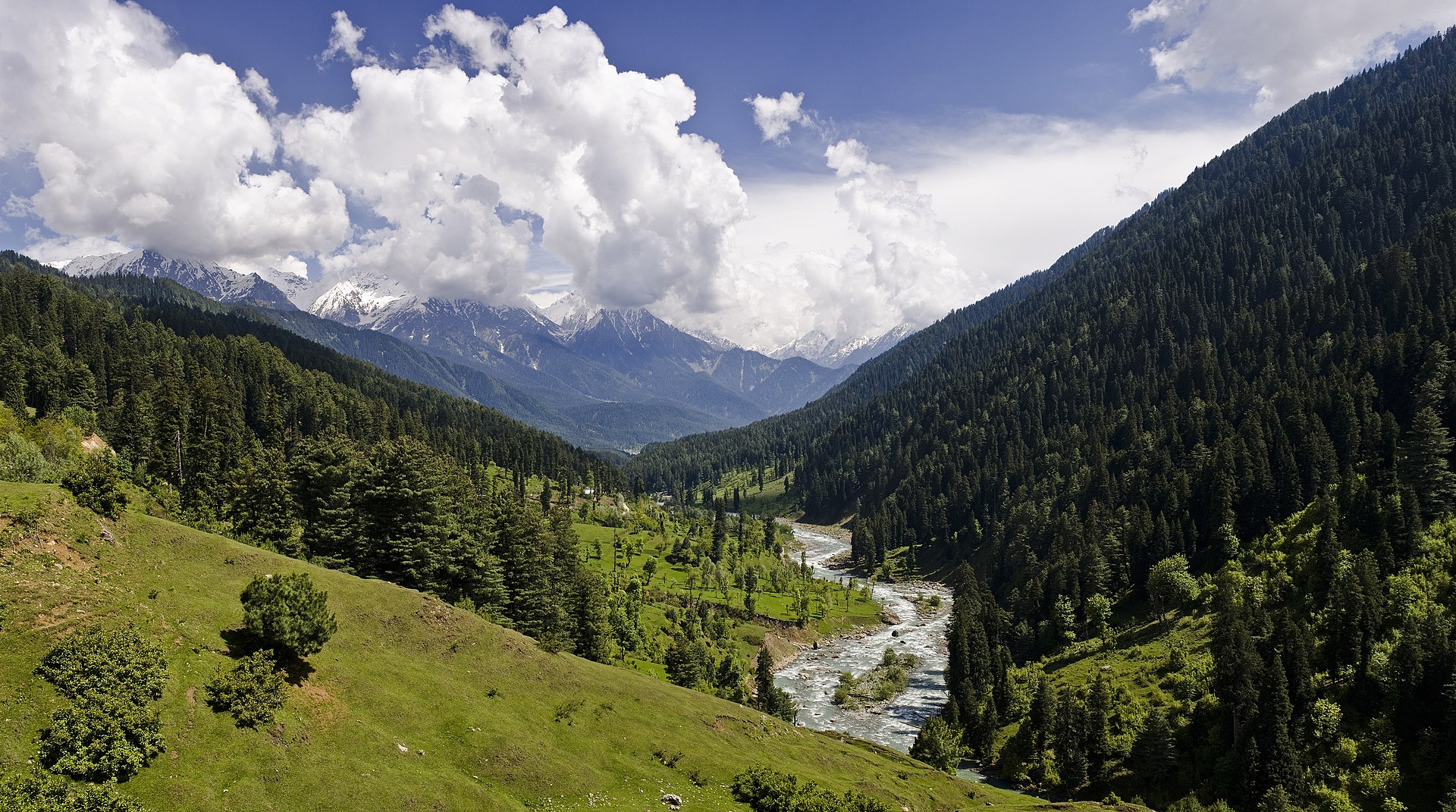
During summer and early autumn, the gardens and lakeside surroundings appear lush and vibrant. This period is also ideal for sightseeing and enjoying Shikara rides.
Fridays and Islamic Festivals
Fridays attract larger congregations for weekly prayers, while major Islamic festivals witness thousands of devotees gathering at the shrine. Visiting during Eid-e-Milad-un-Nabi offers a unique glimpse into the spiritual importance of Hazratbal.
Travel Tips for Visitors
- Dress modestly and respectfully while visiting the shrine.
- Shoes must be removed before entering the prayer areas.
- Photography may be restricted in certain sections.
- Early mornings are ideal for peaceful visits and photography.
- Maintain silence and respect religious practices inside the complex.
Nearby Attractions
While visiting Hazratbal, travelers can also explore nearby attractions such as:
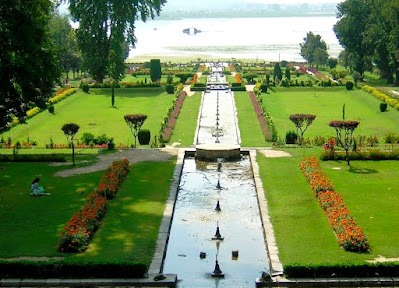
- Nishat Bagh.
- Shalimar Bagh.
- Pari Mahal.
- Hari Parbat Fort.
These places together provide a deeper understanding of Kashmir’s history, culture, and natural beauty.
Google Maps
FAQs
Why is Hazratbal Shrine famous?
Hazratbal Shrine is famous for preserving the sacred relic known as the Moi-e-Muqqadas, believed to be a strand of hair of Prophet Muhammad (PBUH). It is considered the holiest Muslim shrine in Kashmir.
Where is Hazratbal Shrine located?
The shrine is situated on the northern banks of Dal Lake in Srinagar, Jammu and Kashmir.
Can non-Muslims visit Hazratbal Shrine?
Yes, non-Muslims are allowed to visit the shrine. Visitors are expected to dress modestly and respect the religious atmosphere.
What is the meaning of “Hazratbal”?
The word “Hazrat” means respected or holy, while “bal” in Kashmiri means place. Together, Hazratbal means “the place of the revered.”
Is photography allowed inside the shrine?
Photography is generally allowed in the outer areas, but restrictions may apply inside prayer sections or during religious ceremonies.
What is the best time to visit Hazratbal Shrine?
The shrine can be visited year-round, but winter offers beautiful snow-covered scenery, while summer provides pleasant weather and vibrant surroundings.
How far is Hazratbal from Dal Lake?
Hazratbal is located directly along the banks of Dal Lake, making it one of the most scenic religious sites in Srinagar.
Are there any entry fees for Hazratbal Shrine?
No, there is no entry fee to visit the shrine.