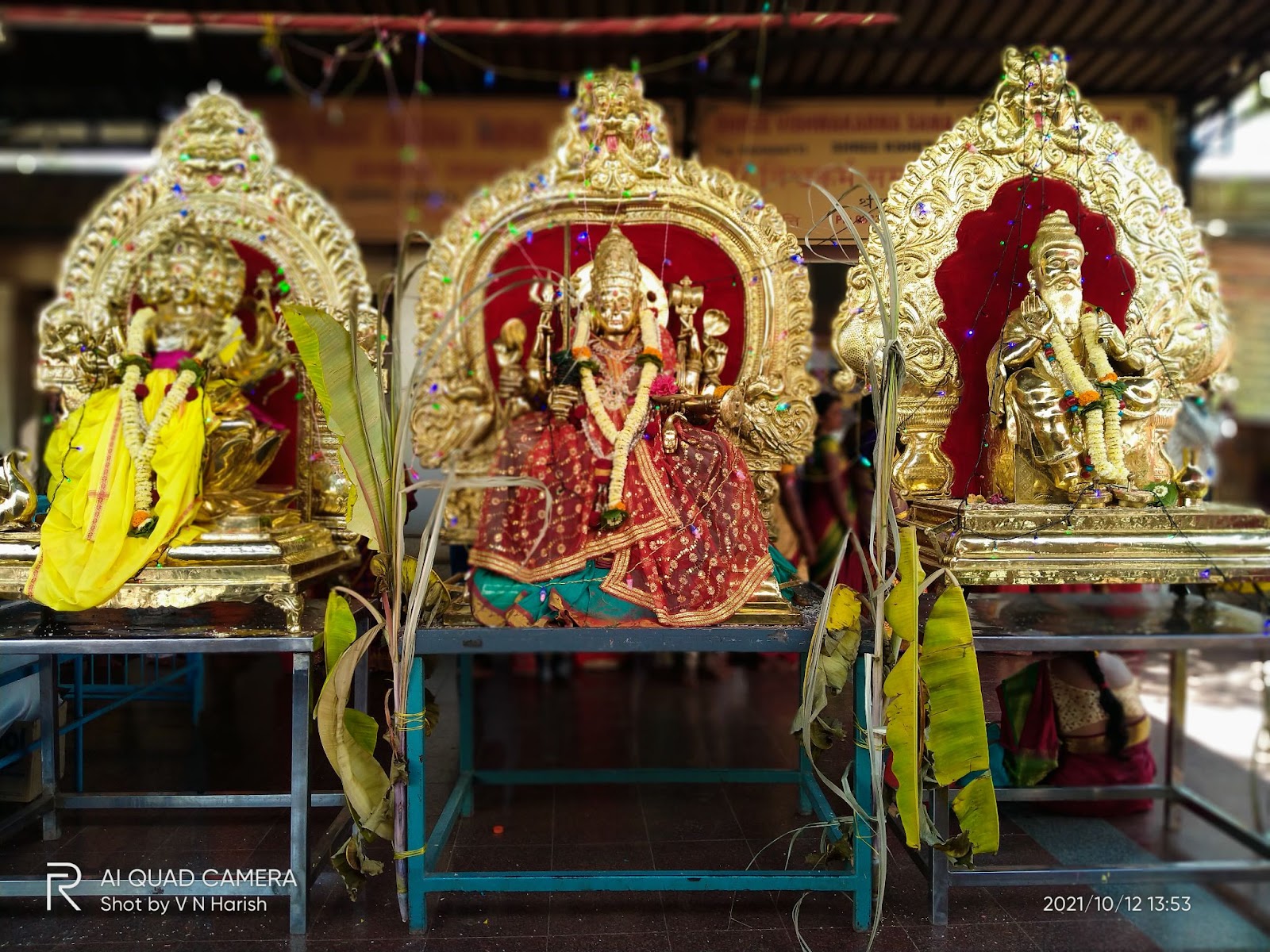
Image Source: Harish Vernekar
Sri Kalika Devi Temple at Sirasangi village is a living embodiment of North Karnataka’s folk-Shakta tradition. Located in the northern Karnataka cultural belt, Kalika, a fierce manifestation of the Divine Mother, is tied to land, lineage, protection, and justice. She considered not a distant cosmic goddess but an active village guardian (Grama Devate) who watches over crops, cattle, families, and social order.
Unlike urban temples shaped by Sanskritic rituals, Sri Kalika Devi Temple follows Desi (folk) worship traditions, where belief is sustained through lived experience, oral memory, and community participation.
Geographic and Cultural Setting of Sirasangi
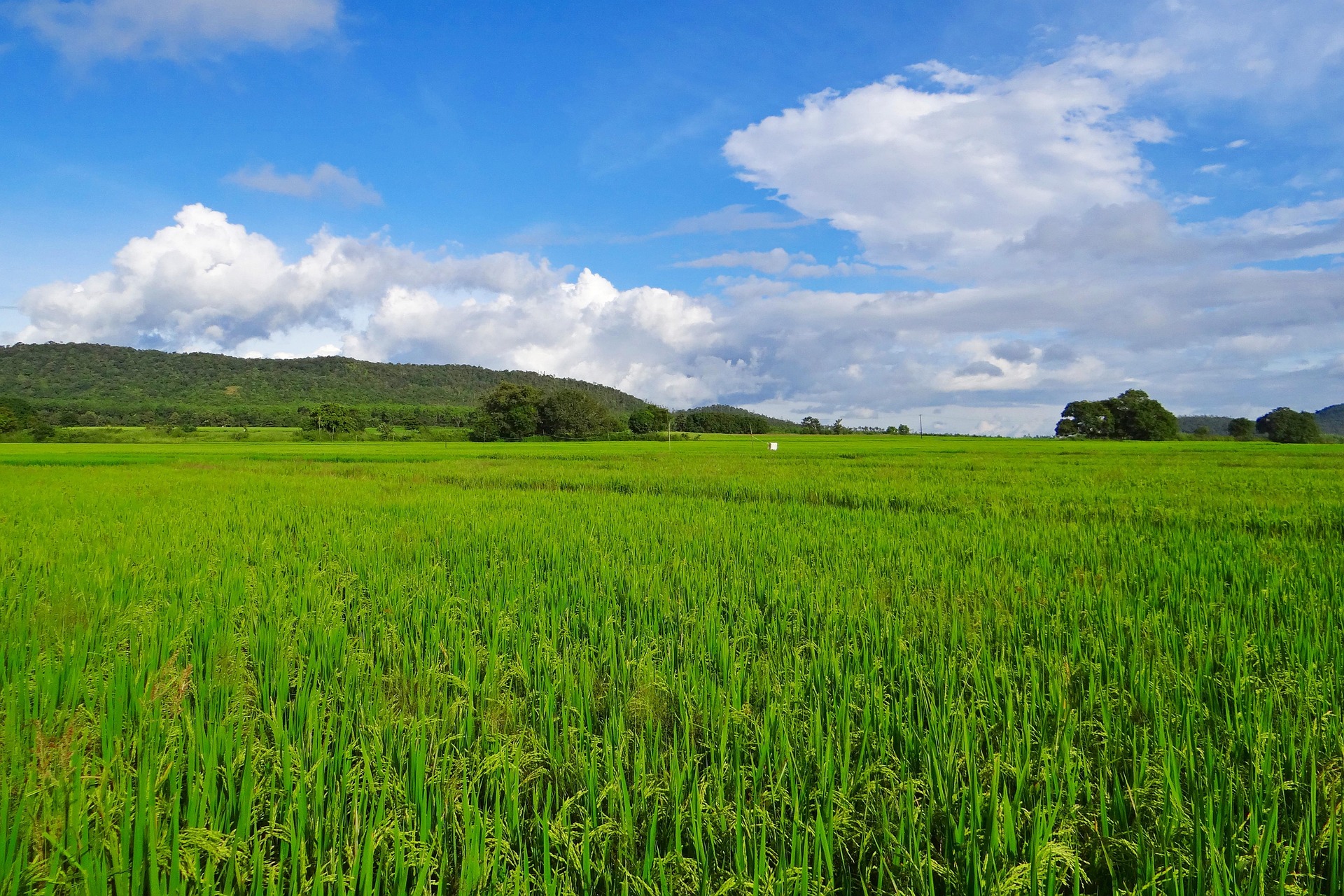
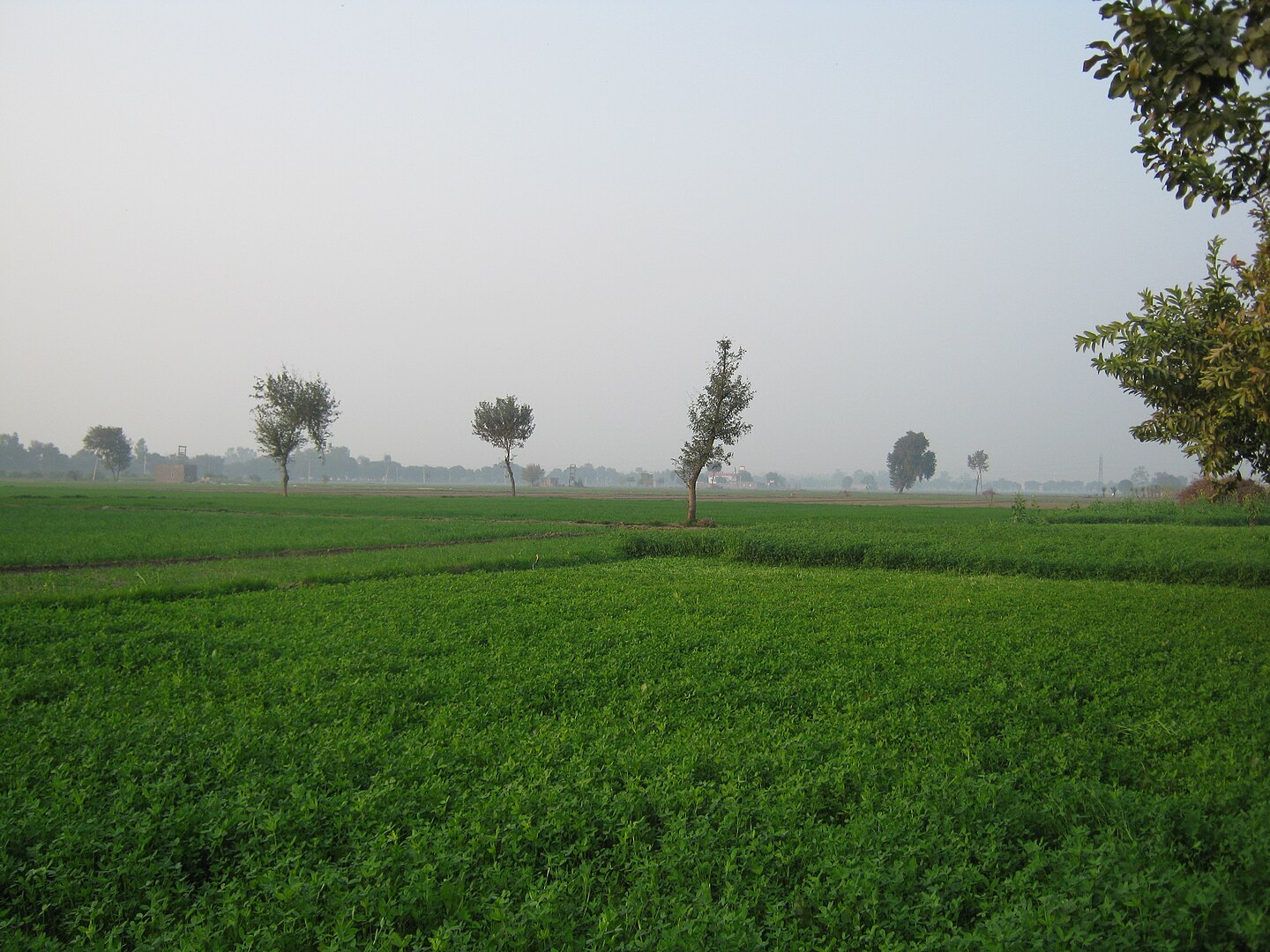
Sirasangi is a traditional agrarian settlement surrounded by dryland farms, seasonal streams, and open scrub landscapes typical of the Deccan plateau. The village lies within a region historically shaped by Chalukya, Rashtrakuta, and later Deccan Sultanate influences, yet its religious life remains deeply indigenous. The temple is usually situated on the village boundary or slightly elevated ground, a deliberate placement reflecting the goddess’s role as a protector against external threats, both physical and spiritual.
Locals often refer to the area around the temple as “Devi Hatti” or “Ammana Keri,” marking it as a sacred space where certain rules of conduct—speech, footwear, and behavior—are strictly observed.
The Deity: Kalika Devi as the Fierce Mother
Kalika Devi is worshipped here as a form of Shakti associated with time (Kala), destruction of evil, disease control, and moral balance. In Sirasangi, she is believed to be especially responsive to prayers related to health crises, injustice, land disputes, and protection from epidemics.
Local belief holds that Kalika Devi does not tolerate false vows (sullu harake). Devotees swear oaths in her name during disputes, believing the goddess herself will deliver justice. This belief has made the temple a moral court of the village, where truth is expected to prevail without human intervention.
Idol, Sacred Symbols, and Temple Architecture
The idol of Sri Kalika Devi is typically non-ornamental and powerful, often marked by bold eyes, symbolic weapons, and natural stone features rather than refined sculptural beauty. In many such temples, the goddess is represented by a stone form (shila) smeared with kumkum, turmeric, and oil, signifying continuous worship across generations.
The temple structure itself is simple—stone walls, a modest sanctum, and a shaded outer space used for offerings and community gatherings. Neem trees, sacred stones, and animal sacrifice platforms (historically used) are often found nearby, reflecting older ritual layers that coexist with modern devotional practices.
Ritual Practices and Offerings
Worship at Sri Kalika Devi Temple follows local ritual calendars, not strictly pan-Indian temple schedules. Offerings typically include:
Lemon, neem leaves, coconuts.
Red sarees and bangles.
Cooked offerings like jolada rotti, kosambari, and sweet pongal.
Animal sacrifice (historically prevalent, now symbolic in many families).
Devotees often perform Harake (vows)—such as walking barefoot from neighboring villages, offering lamps (deepa seva), or sponsoring village feasts after wishes are fulfilled.
Annual Jatre and Festival Significance
The most important event associated with the temple is the annual Jatre (village fair), usually held after harvest or during specific lunar phases deemed auspicious by village elders. During this time:
The goddess is ceremonially awakened (Utsava Murti or symbolic procession).
Folk drummers (dollu kunitha) and ritual singers perform through the night.
Oracles (Devi vachanakararu) may enter trance states, delivering messages believed to come directly from Kalika Devi.
Entire village participates, transcending caste and economic divisions.
For Sirasangi, this festival is not entertainment—it is a renewal of cosmic and social balance.
Role in Health, Disease, and Protection Beliefs
Traditionally, Kalika Devi is invoked during outbreaks of fever, pox, livestock illness, or unexplained misfortune. Elders recount stories where neglect of worship led to calamity, while renewed devotion restored harmony. Such narratives reinforce the belief that the goddess actively intervenes in village life.
Even today, families visit the temple before major life events—marriage, house construction, migration—to seek Devi’s permission and protection.
Social and Cultural Authority of the Temple
Sri Kalika Devi Temple functions as:
A spiritual guardian.
A conflict-resolution symbol.
A cultural archive of folk beliefs.
A community unifier.
Decisions related to village boundaries, water sharing, and collective rituals are often taken after invoking the goddess, emphasizing her central role in social governance.
Visiting Sri Kalika Devi Temple
Visitors are advised to approach the temple with cultural sensitivity:
Footwear is removed well before the sanctum.
Photography may be restricted during rituals.
Non-locals should avoid visiting during trance rituals unless permitted.
The best time to visit is during early mornings or festival days, when the temple’s spiritual energy is most palpable.
Timings and Spiritual Atmosphere:
The temple welcomes devotees from 6 a.m. to 8:30 p.m., offering a serene atmosphere for prayer and reflection. Specific temple hours are from 6 a.m. to 12:30 p.m. and from 3 p.m. to 8 p.m.
Entry
The entrance is graciously free, embodying the temple’s commitment to making spiritual solace accessible to all.
How to Reach
By Air
The nearest airport is Hubballi Airport, located about 70–75 km from Sirasangi village. Another convenient option is Belagavi Airport, which is approximately 100 km away. From either airport, visitors can hire a taxi or use local transport to reach the temple.
By Train
The nearest major railway station is Hubballi Junction, one of North Karnataka’s busiest rail hubs. Regular trains connect Hubballi with Bengaluru, Mysuru, Mumbai, Pune, Hyderabad, and several other cities. From Hubballi, buses and taxis are available to Sirasangi village.
By Road
Sri Kalika Devi Temple is situated in Sirasangi village in the Belagavi district and is well connected by road. The temple lies along the Dharwad–Bijapur route and is around 2 km from the Sirasangi bus stand. Regular KSRTC buses operate from Hubballi, Dharwad, Saundatti, Ramdurg, and nearby towns. Visitors traveling by private vehicle can enjoy a scenic drive through the countryside of North Karnataka.
Nearby Attractions
Kalmeshwara Temple
Located within Sirasangi, this ancient temple is known for its historical significance and traditional architecture. Many pilgrims visiting Kalika Devi Temple also stop here for darshan.
Bhairaveshwara (Kalamma) Temple
A revered local shrine associated with the region’s religious traditions and annual festivals. The temple attracts devotees throughout the year.
Siddeshwaragavi Cave
Situated on a nearby hillock, this cave can be reached by climbing around 200 steps. A Shiva Linga inside the cave makes it a popular destination for both devotees and adventure seekers.
Maunappanagavi Cave
Another fascinating natural attraction near the temple, this cave is located on Kalluru Gudda hill and is known for its unique rock formations and spiritual atmosphere.
Saundatti Yellamma Temple
One of Karnataka’s most famous pilgrimage destinations, dedicated to Goddess Yellamma. It is a popular excursion from Sirasangi.
Navalgund
A historic town known for its ancient temples, traditional handloom weaving, and cultural heritage.
Ramdurg Fort
History enthusiasts can explore the remains of this historic fort and enjoy panoramic views of the surrounding countryside.
Maps
Situated 64 km from Badami and 86 km from Hubli.
FAQS
- Q: Where is Sri Kalika Devi Temple located?
The temple is located in Sirasangi village in North Karnataka, serving as the primary village goddess shrine.
- Q: Who is Kalika Devi worshipped here?
Kalika Devi is worshipped as a fierce form of Shakti—protector, judge, and guardian of the village.
- Q: What is the significance of the annual Jatre?
The Jatre marks the goddess’s active presence, renewal of village harmony, and fulfillment of vows.
- Q: Are folk rituals still practiced at the temple?
Yes, many traditional rituals rooted in oral tradition and community participation continue to be practiced.
- Q: Can outsiders visit the temple?
Yes, but visitors are expected to respect local customs, especially during major rituals and festivals.