Image Source: Deeksha Salian
About Chaturmukha Basadi
Perched atop a small hill in the historic town of Karkala, Chaturmukha Basadi is one of the most remarkable Jain monuments in Karnataka. Dedicated to Lord Chandranatha, the eighth Tirthankara of Jainism, the temple stands as a symbol of the region’s rich religious heritage and exceptional stone craftsmanship. Surrounded by the serene landscapes of the Western Ghats foothills, the Basadi attracts devotees, history enthusiasts, and architecture lovers alike.
The temple is also known by the names Tribhuvana Tilaka Jina Chaityalaya and Ratnaraya Dhama, as mentioned in ancient inscriptions found on the premises. Its peaceful atmosphere, historical significance, and unique design make it one of the most important Jain pilgrimage sites in the Karkala region.
Architecture and History
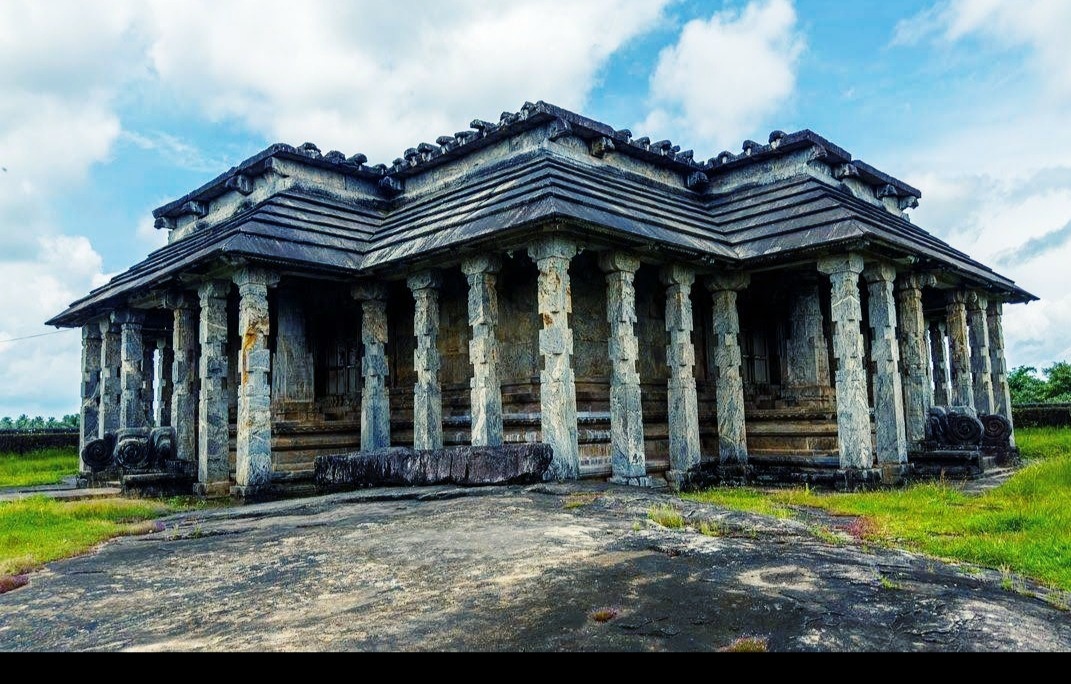
Chaturmukha Basadi is a magnificent example of medieval Jain architecture. The temple was commissioned in 1432 CE by Veera Pandya Deva, a ruler of the Bhairarasa family, and its construction was completed in 1586 CE. Built entirely from granite stone, the structure has survived for centuries while retaining much of its original grandeur.
The name “Chaturmukha” literally means “four-faced,” referring to the temple’s distinctive design. The sanctum can be accessed through four separate entrances facing the four cardinal directions—north, south, east, and west. This architectural concept symbolizes openness and the universal nature of Jain teachings.
The temple stands on an elevated stone platform and is supported by 108 beautifully crafted pillars. A flat granite roof rests upon these pillars, creating a spacious and symmetrical interior. At the center of the temple is the sanctum housing the idol of Lord Chandranatha. The simplicity of the carvings combined with the massive stone construction reflects the elegance and spiritual character of Jain architecture.
Visitors should note that photography inside the temple is generally prohibited unless prior permission is obtained from the temple authorities.
Spiritual and Cultural Significance
For the Jain community, Chaturmukha Basadi is an important place of worship and pilgrimage. The temple reflects centuries of Jain influence in coastal Karnataka, particularly in Karkala, which has long been a prominent center of Jain culture. The peaceful setting and sacred atmosphere make it an ideal place for meditation and quiet reflection.
The temple also serves as a reminder of the patronage provided by local rulers who helped preserve Jain traditions and contributed to the construction of several remarkable monuments in the region.
How to Reach Chaturmukha Basadi
By Air
The nearest airport is Mangalore International Airport, located about 60 km from Karkala. From the airport, taxis and buses are available to reach the town.
By Rail
The closest major railway station is Udupi Railway Station, approximately 38 km away. Mangalore Junction and Mangalore Central are other convenient railheads with good connectivity to major Indian cities.
By Road
Karkala is well connected by road to Mangalore, Udupi, Moodabidri, and Bengaluru. Regular KSRTC and private buses operate to Karkala. From the town center, auto-rickshaws and local taxis can easily take visitors to Chaturmukha Basadi.
Best Time to Visit
The ideal time to visit is between October and March when the weather is pleasant. The monsoon season enhances the greenery around the hill, making the surroundings particularly scenic.
Nearby Attractions
Gomateshwara Statue, Karkala
One of the tallest monolithic statues in India, this 42-foot statue of Bahubali stands atop a rocky hill and is the most famous landmark in Karkala.
Attur St. Lawrence Shrine
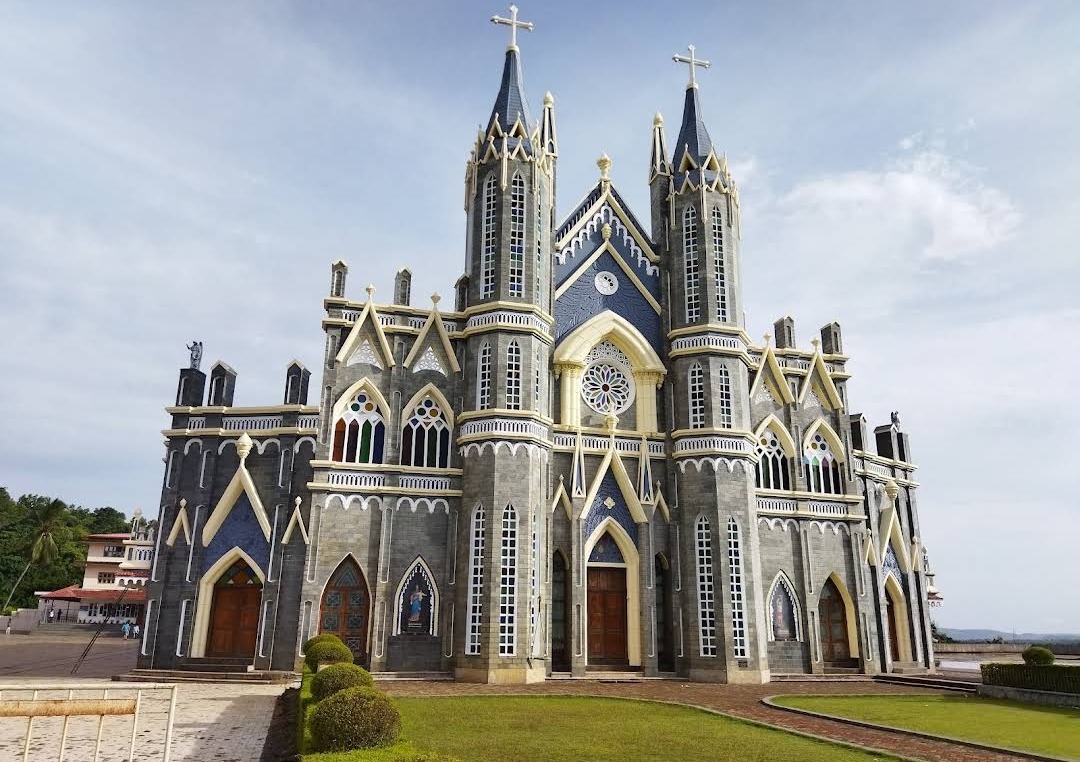
A renowned Christian pilgrimage center known for its peaceful environment and annual feast celebrations.
Moodabidri
Often called the “Jain Kashi of South India,” Moodabidri is home to several ancient Jain temples, including the famous Thousand Pillar Temple.
Anekere Lake
A beautiful man-made lake in Karkala that offers scenic views, boating opportunities, and a relaxing atmosphere.
Bahubali Betta
A hilltop viewpoint near the Gomateshwara statue offering panoramic views of Karkala’s countryside and surrounding forests.
Shri Ananthapadmanabha Temple
An ancient Hindu temple known for its traditional architecture and spiritual significance.
Maps
Chaturmukha Basadi, situated 37 km from Udupi and 50 km from Mangalore.
FAQs
1. What is Chaturmukha Basadi famous for?
The temple is famous for its unique four-directional entrances, 108 stone pillars, and its importance as a historic Jain pilgrimage site.
2. Which deity is worshipped in the temple?
The temple is dedicated to Lord Chandranatha, the eighth Jain Tirthankara.
3. Who built Chaturmukha Basadi?
The temple was commissioned by Veera Pandya Deva in the 15th century and completed in the late 16th century.
4. Is photography allowed inside the temple?
Photography inside the temple is generally prohibited unless special permission is obtained from the temple authorities.
5. How much time is needed to explore the temple?
Most visitors spend about 30 minutes to 1 hour exploring the temple and appreciating its architecture.
6. What is the best time to visit Chaturmukha Basadi?
The months from October to March are considered the best time due to pleasant weather and comfortable sightseeing conditions.
7. Is there an entry fee?
Entry policies may change over time, but visitors can generally access the temple premises free of charge. Donations are welcomed for temple maintenance.
8. Can Chaturmukha Basadi be visited along with other attractions in Karkala?
Yes. Visitors often combine their trip with the Gomateshwara Statue, Anekere Lake, Bahubali Betta, and nearby Jain heritage sites in Moodabidri.