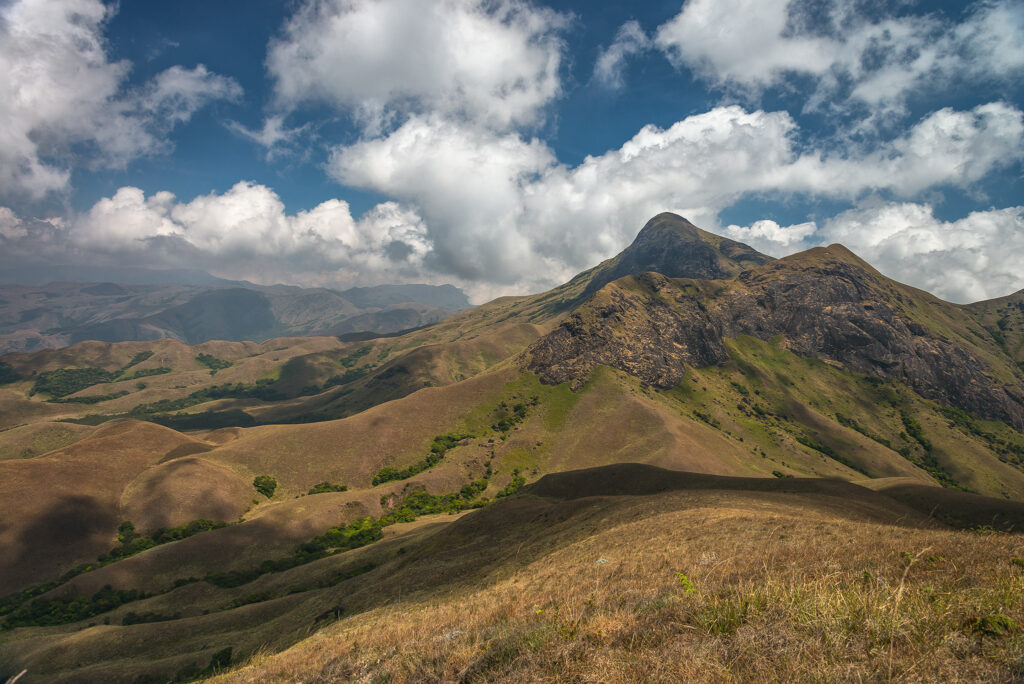
Image Source: Mdmadhu
About Anamudi Peak
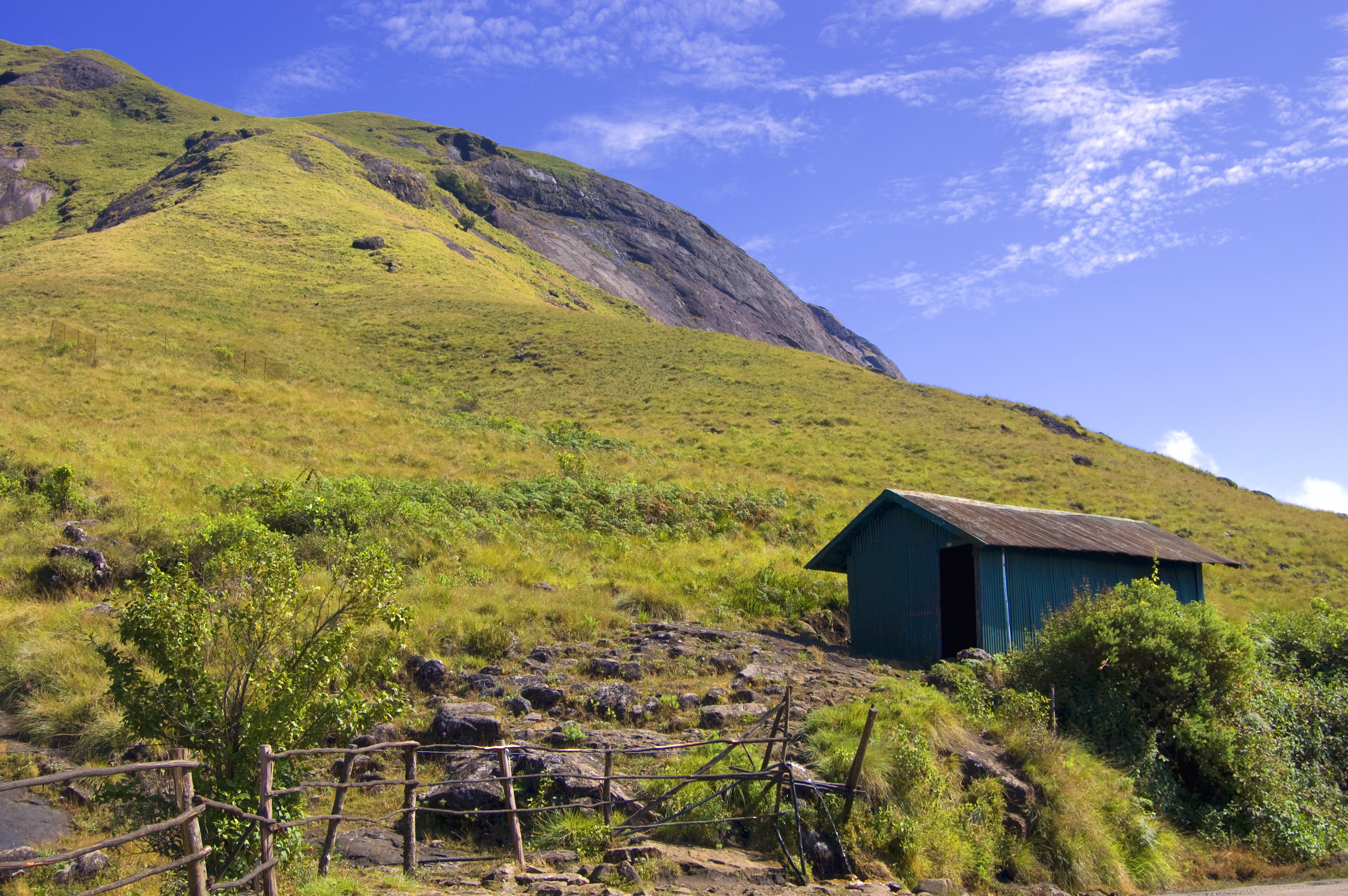
Rising gracefully above the misty hills of Kerala, Anamudi Peak is the highest mountain in South India and one of the most celebrated natural landmarks of the Western Ghats. Located inside the breathtaking Eravikulam National Park near Munnar, the peak reaches an elevation of 2,695 meters (8,842 feet) above sea level. Because of its towering height and commanding presence, it is often referred to as the “Everest of South India.”
The name “Anamudi” comes from the Malayalam language, where Ana means elephant and Mudi means forehead or head. The mountain earned this name because its broad, rounded summit resembles the forehead of an elephant. Surrounded by rolling green hills, tea gardens, and drifting clouds, Anamudi is one of those rare places where nature feels untouched and timeless.
Geography and Natural Beauty
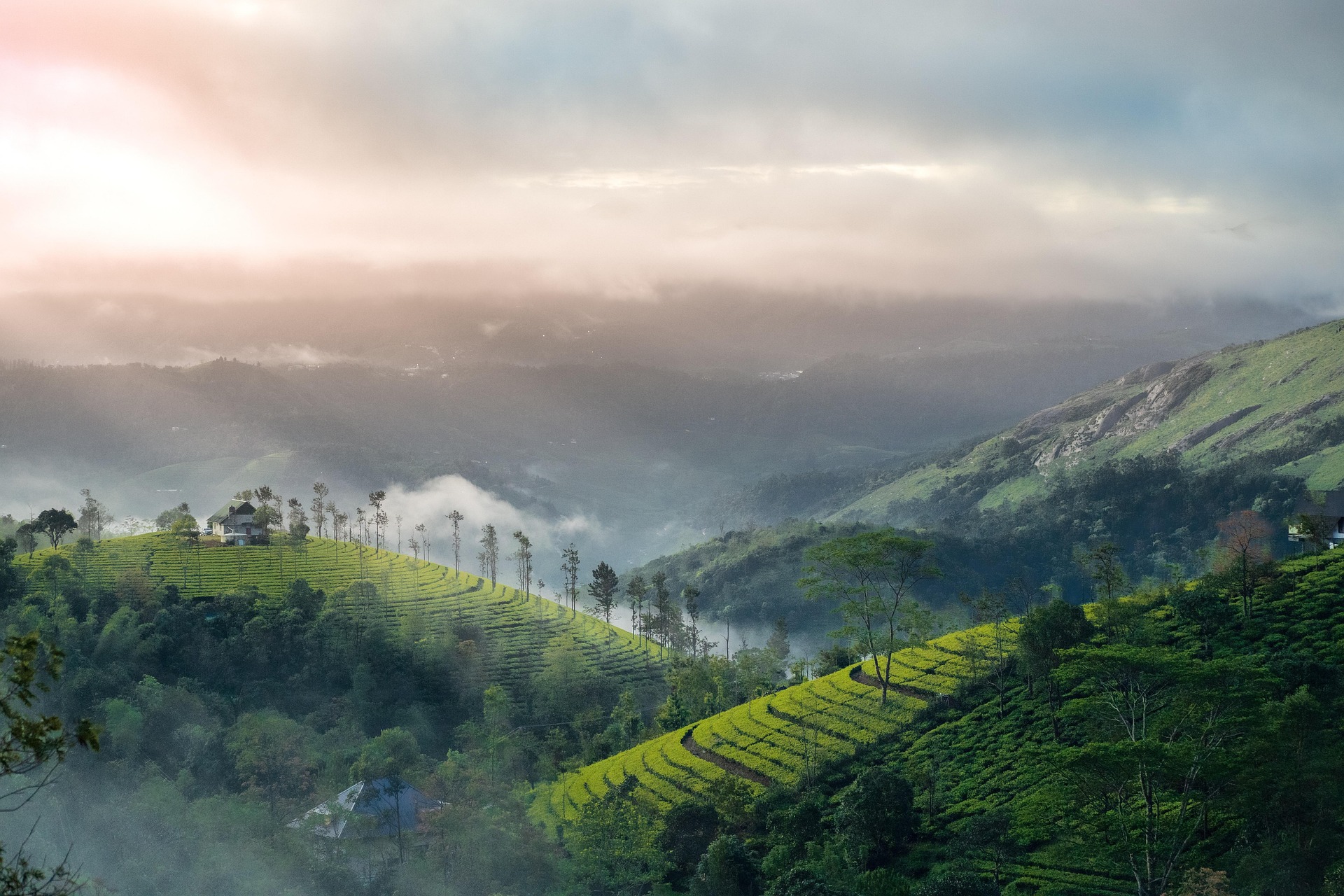
Anamudi forms part of the Cardamom Hills section of the majestic Western Ghats, a mountain range recognized as a UNESCO World Heritage Site for its extraordinary biodiversity. The region around the peak is known for its rich ecological landscape, where dense shola forests merge with wide grasslands and mist-covered valleys. The scenery changes constantly with the weather — bright sunshine in one moment and drifting clouds in the next.
The mountain region is also an important watershed. Several rivers originating in these hills nourish southern India, including the Periyar, Vaigai, and Thamirabarani rivers. The cool climate, high-altitude vegetation, and regular rainfall make this region environmentally significant for Kerala and neighboring states.
One of the most fascinating natural spectacles associated with Anamudi is the blooming of the rare Neelakurinji flowers. These bluish-purple flowers bloom only once every 12 years, transforming entire hillsides into carpets of color. During this period, the mountains attract travelers, botanists, and photographers from across the country.
Wildlife Around Anamudi
The forests and grasslands surrounding Anamudi are home to a remarkable variety of wildlife. The most famous resident is the endangered Nilgiri tahr, a mountain goat species native to the Western Ghats. These animals are often seen grazing on steep grassy slopes inside Eravikulam National Park.
Apart from the Nilgiri tahr, the area also shelters elephants, gaurs, sambar deer, leopards, langurs, and numerous species of birds and butterflies. The biodiversity here is so rich that scientists consider the Western Ghats one of the world’s most important ecological hotspots.
The cool mountain climate supports unique high-altitude plants and medicinal herbs that cannot survive in lower regions. This fragile ecosystem is one of the main reasons why access to the summit remains restricted.
Trekking and Adventure Experience
For nature lovers and trekking enthusiasts, Anamudi is one of the most exciting destinations in Kerala. Although direct trekking to the summit is currently restricted to protect the sensitive environment, visitors can still enjoy guided trekking routes and nature walks inside Eravikulam National Park.
The journey through the park is unforgettable. Trails wind through rolling grasslands, dense forests, spice-scented air, and viewpoints overlooking deep valleys. During early mornings, the hills are often wrapped in thick mist, creating an almost dreamlike atmosphere.
On clear days, the panoramic views from the surrounding areas are spectacular. Travelers can witness endless layers of mountains, tea estates stretching across the slopes, and clouds drifting slowly beneath the hills. The peaceful silence of the landscape adds to the charm of the experience.
Adventure seekers visiting Munnar often combine their Anamudi trip with activities like camping, birdwatching, photography, and visits to nearby waterfalls and tea plantations.
Cultural and Regional Importance
Anamudi is more than just a mountain; it is an important symbol of Kerala’s natural heritage. For generations, local communities have regarded the peak with admiration and respect. The mountain appears in local stories, folklore, and regional identity, representing strength, beauty, and harmony with nature.
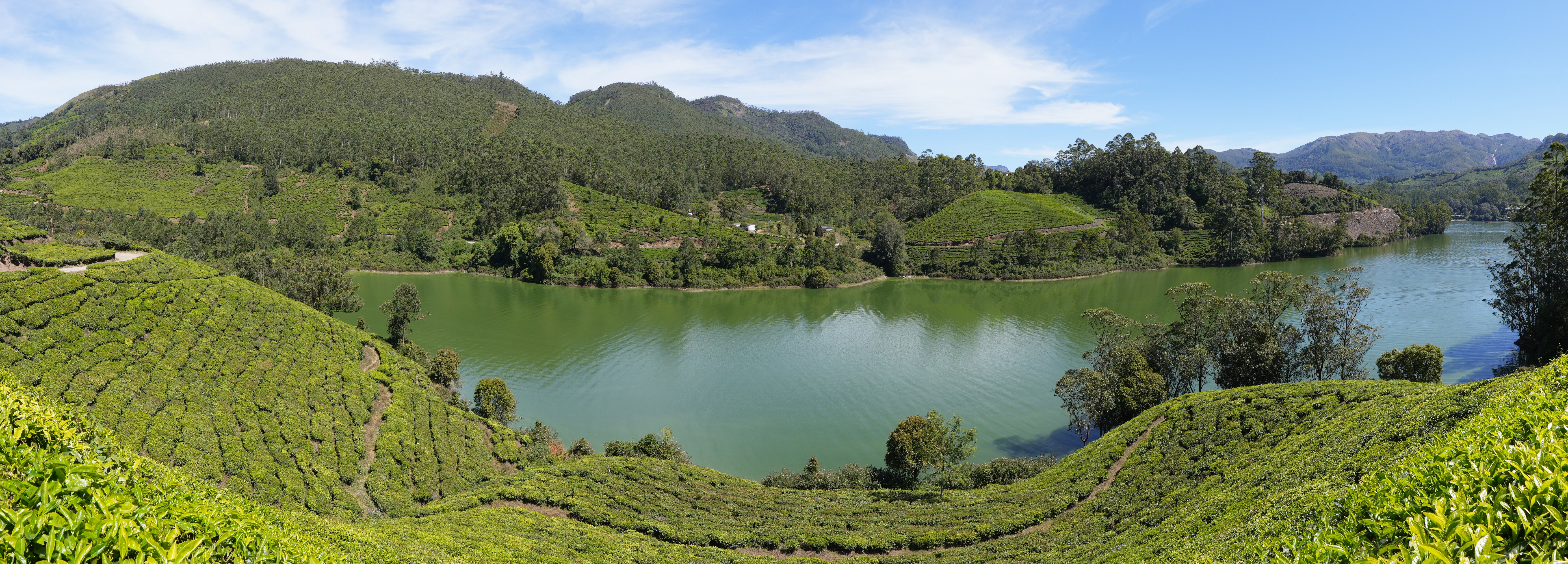
The surrounding Munnar region was once developed extensively during the British colonial period for tea cultivation. Today, the tea gardens around Anamudi form some of the most scenic landscapes in India and contribute significantly to Kerala’s tourism industry.
The mountain also plays an important role in environmental conservation efforts. Authorities strictly regulate tourism activities around the peak to preserve its biodiversity and maintain the ecological balance of the region.
Best Time to Visit
The best time to visit Anamudi is between September and May. During these months, the weather remains cool and pleasant, making sightseeing and trekking more enjoyable. The skies are generally clearer, offering better views of the mountain ranges and valleys.
Winter months, especially from November to February, are particularly popular because of the refreshing climate and mist-covered scenery. Early mornings during this season can be quite cold, adding to the mountain experience.
The monsoon season from June to August brings heavy rainfall to the region. While the rains make the hills greener and more dramatic, trekking trails may become slippery and visibility can be limited due to thick fog and clouds. However, many travelers still enjoy visiting during the monsoon to experience the lush beauty of the Western Ghats.
How to Reach Anamudi
By Air
The nearest airport is Cochin International Airport, located around 120 kilometers from Munnar. From the airport, taxis and buses are available to reach the hill station.
By Rail
The nearest railway stations are Aluva Railway Station and Ernakulam Junction Railway Station. Both stations are well connected to major Indian cities.
By Road
Munnar serves as the main gateway to Anamudi and Eravikulam National Park. The hill town is connected by scenic mountain roads to Kochi, Thrissur, Madurai, and other nearby cities. The drive itself is incredibly beautiful, passing through tea estates, waterfalls, and winding forest roads.
Nearby Attractions
Travelers visiting Anamudi often explore several nearby attractions around Munnar, including:
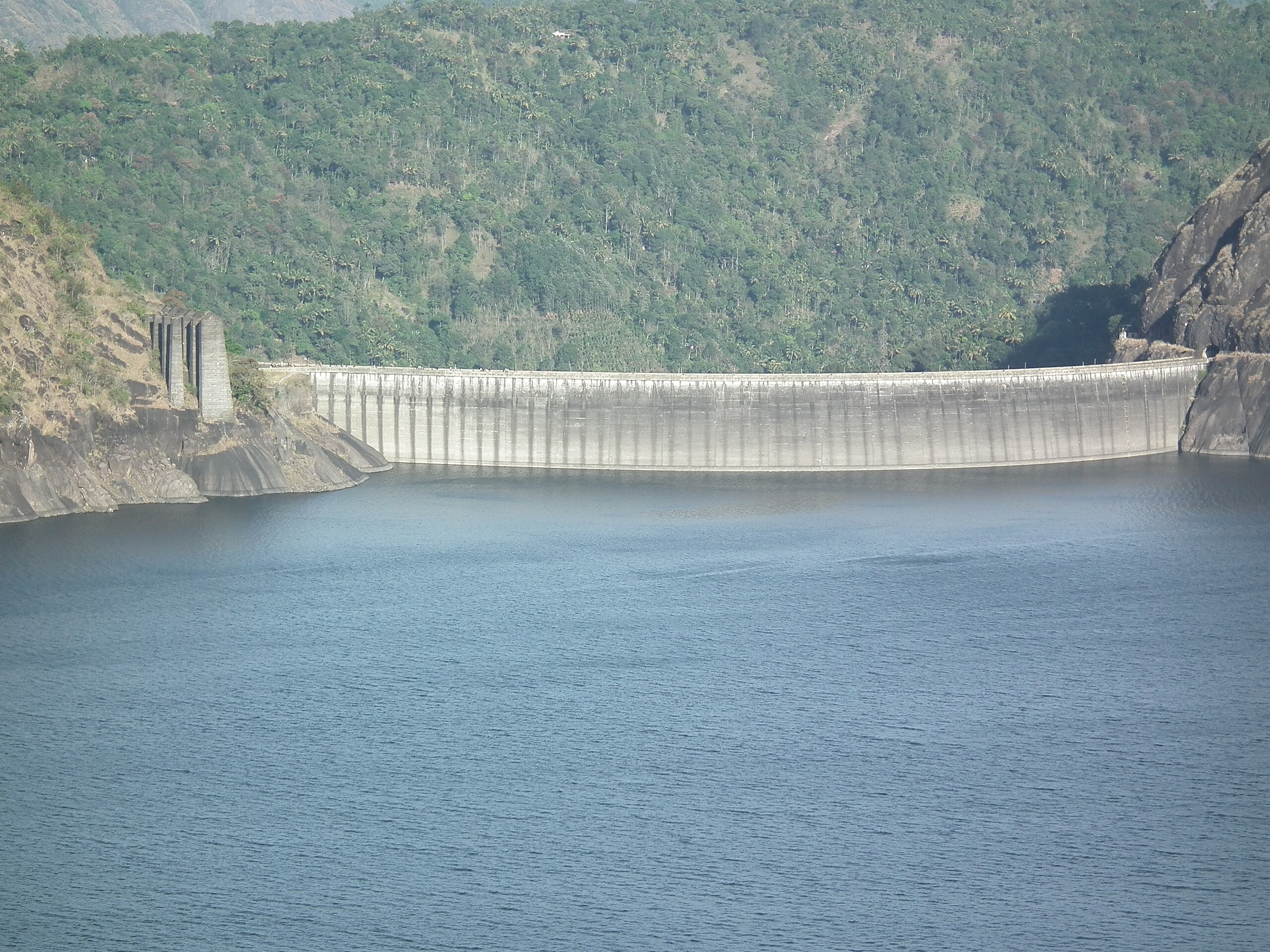
- Mattupetty Dam.
- Tea Museum.
- Top Station.
- Echo Point.
- Attukad Waterfalls.
These destinations together make Munnar one of the most rewarding mountain getaways in India.
Google Maps
FAQs
Why is Anamudi Peak famous?
Anamudi Peak is famous for being the highest mountain in South India and the tallest peak in the Western Ghats. It is also known for its breathtaking scenery, biodiversity, and wildlife.
Can tourists trek to the summit of Anamudi?
Direct trekking to the summit is generally restricted to protect the fragile ecosystem. However, visitors can enjoy guided treks and nature walks inside Eravikulam National Park.
What does the name “Anamudi” mean?
The word “Anamudi” means “Elephant’s Forehead” in Malayalam because the mountain’s rounded shape resembles the forehead of an elephant.
Which is the best season to visit Anamudi?
The best time to visit is from September to May, especially during winter when the weather is cool and visibility is clear.
Is Anamudi part of a national park?
Yes, Anamudi is located within Eravikulam National Park, a protected area known for its rich biodiversity.
What wildlife can be seen near Anamudi?
The region is famous for the endangered Nilgiri tahr. Visitors may also spot elephants, gaurs, deer, birds, and butterflies.
How far is Anamudi from Munnar?
Anamudi is located about 13 kilometers from Munnar town, making it one of the most popular attractions near the hill station.
Are the Neelakurinji flowers found near Anamudi?
Yes, the hills around Anamudi are known for the rare Neelakurinji flowers, which bloom once every 12 years and create a stunning blue landscape.