Image Source: Dr. K. K. Tiwari
About Chanderi Handloom Park
Nestled in the historic town of Chanderi in Madhya Pradesh’s Ashoknagar district, Chanderi Handloom Park stands as a remarkable center dedicated to preserving one of India’s most celebrated weaving traditions. Established in 2010 under the Integrated Handloom Cluster Development Scheme of the Ministry of Textiles, Government of India, the park was created to support local artisans while safeguarding the centuries-old legacy of Chanderi weaving.
Chanderi has been famous for its exquisite handwoven textiles for hundreds of years. The town’s lightweight, elegant sarees and fabrics are admired across India and abroad for their delicate texture, fine craftsmanship, and distinctive motifs. Recognizing the cultural and economic importance of this craft, the Chanderi Handloom Park was developed to provide modern facilities, technical support, training opportunities, and better market access for local weavers.
Today, the park directly and indirectly supports more than 3,500 weaving families. It features advanced dyeing units, modern looms, design studios, quality-testing laboratories, storage facilities, and a Common Facility Centre (CFC) where artisans can access shared resources. These facilities help traditional weavers improve production quality while preserving the authenticity of their craft.
One of the most significant achievements associated with Chanderi textiles is their Geographical Indication (GI) status. This recognition protects the originality and heritage of authentic Chanderi products, ensuring that the unique weaving techniques remain linked to their place of origin.
The park also plays an important role in promoting handloom tourism. Visitors can observe the weaving process firsthand, interact with skilled artisans, learn about traditional techniques passed down through generations, and purchase genuine Chanderi sarees, dupattas, stoles, and fabrics directly from producers. Through exhibitions, trade fairs, and collaborations with online marketplaces, the park helps local artisans connect with customers across India and international markets.
Walking through the park offers more than just a shopping experience—it provides a fascinating glimpse into the living heritage of Chanderi, where centuries-old craftsmanship continues to thrive in the modern world.
Timings
Chanderi Handloom Park is generally open to visitors from 9:00 AM to 8:00 PM. However, visitors are advised to confirm timings locally before planning their visit, especially during public holidays and festival seasons.
How to Reach Chanderi Handloom Park
By Road
Chanderi is well connected by road to major cities in Madhya Pradesh and neighboring states. Regular buses and private taxis are available from Gwalior, Jhansi, Ashoknagar, Lalitpur, and Bhopal. The handloom park is located within Chanderi town and can be easily reached by auto-rickshaw or local transport.
By Train
The nearest railway stations are Mungaoli (around 40 km) and Lalitpur Junction (around 40 km). Both stations have connections to major cities such as Delhi, Bhopal, Gwalior, and Jhansi. From the railway station, visitors can hire taxis or shared vehicles to reach Chanderi.
By Air
The nearest major airports are Gwalior Airport and Raja Bhoj Airport, Bhopal. From either airport, visitors can continue their journey by road to Chanderi.
Nearby Attractions
Chanderi Fort
Perched on a hill overlooking the town, Chanderi Fort offers breathtaking views of the surrounding landscape. The fort has witnessed several important historical events and remains one of the town’s most iconic landmarks.
Koshak Mahal
Built during the 15th century by Sultan Mahmud Khilji, Koshak Mahal is an impressive Indo-Islamic structure known for its grand architecture and historical significance.
Badal Mahal Gate
One of the most photographed monuments in Chanderi, this magnificent gateway reflects the architectural elegance of the medieval era.
Jama Masjid
A beautiful mosque constructed during the Sultanate period, Jama Masjid showcases remarkable Afghan-style architecture and intricate stonework.
Raja Rani Mahal
This historic palace is associated with local legends and provides insight into Chanderi’s royal heritage.
Chanderi Museum
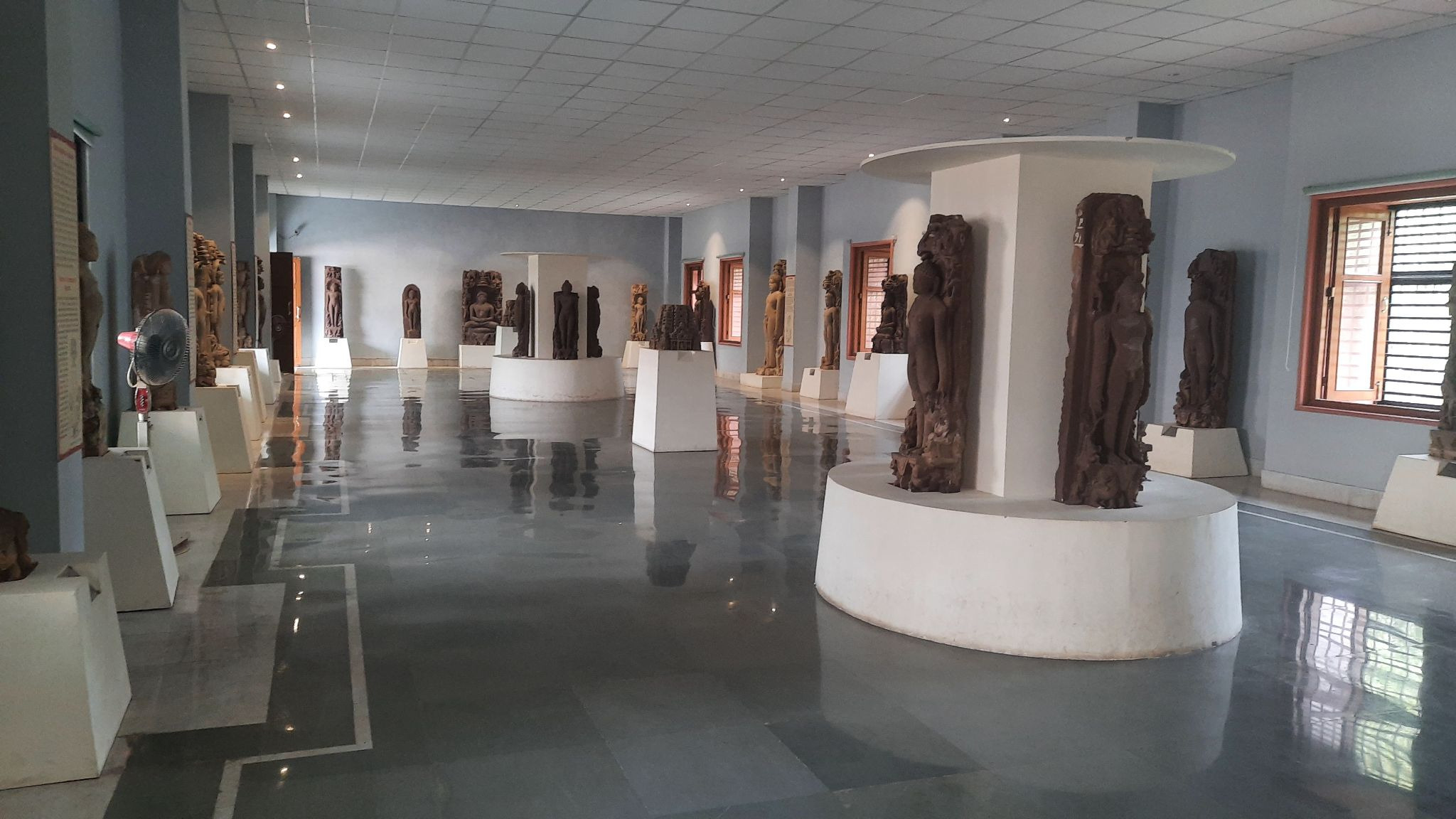
Visitors interested in local history, archaeology, and textile traditions can explore this museum to gain a deeper understanding of the region’s cultural legacy.
Maps
FAQs
1. What is Chanderi Handloom Park famous for?
The park is known for promoting and preserving the traditional art of Chanderi weaving, especially the production of Chanderi sarees, fabrics, dupattas, and stoles.
2. When was Chanderi Handloom Park established?
It was established in 2010 under the Integrated Handloom Cluster Development Scheme of the Ministry of Textiles.
3. Can visitors watch the weaving process?
Yes. Visitors can observe artisans at work and learn about the traditional weaving techniques used to create authentic Chanderi textiles.
4. Are Chanderi products available for purchase at the park?
Yes. Genuine Chanderi sarees, dress materials, dupattas, and other textile products can be purchased directly from artisans and local outlets.
5. What is special about Chanderi fabric?
Chanderi fabric is known for its lightweight texture, elegant appearance, fine weaving, and rich traditional motifs.
6. Does Chanderi fabric have a GI Tag?
Yes. Chanderi textiles are protected under a Geographical Indication (GI) Tag, which helps preserve their authenticity and heritage.
7. How much time is needed to explore the park?
Most visitors spend between one and three hours exploring the facilities, interacting with artisans, and shopping for handloom products.
8. Is photography allowed inside the park?
Photography is generally permitted in many areas, but visitors should seek permission before photographing artisans at work.
9. What is the best time to visit Chanderi Handloom Park?
The ideal time is between October and March when the weather is pleasant for sightseeing around Chanderi.
10. Can tourists buy products directly from weavers?
Yes. Purchasing directly from weavers supports local artisans and ensures the authenticity of the products.