Image Source: mathskart By BPS Chauhan
Overview
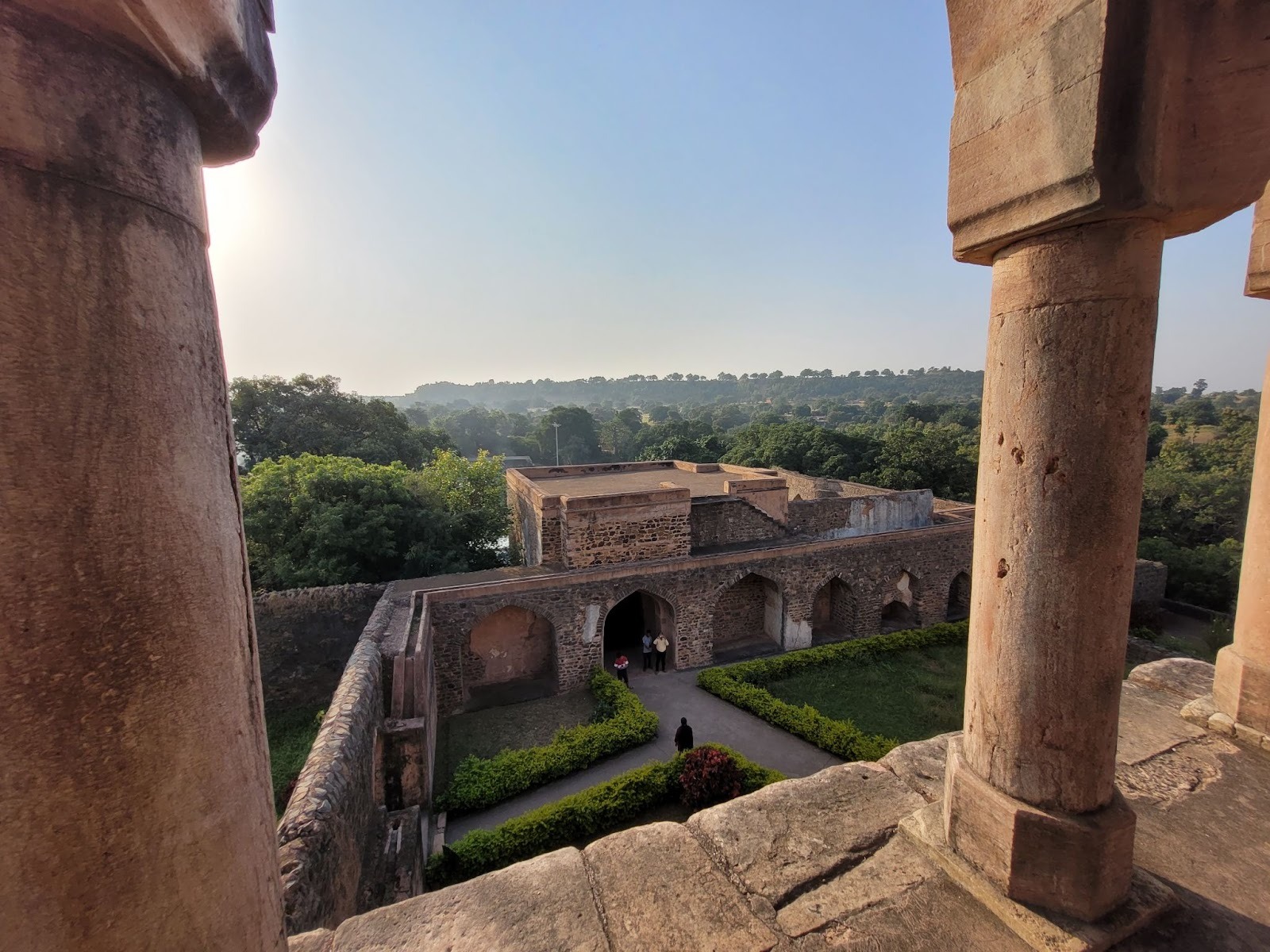
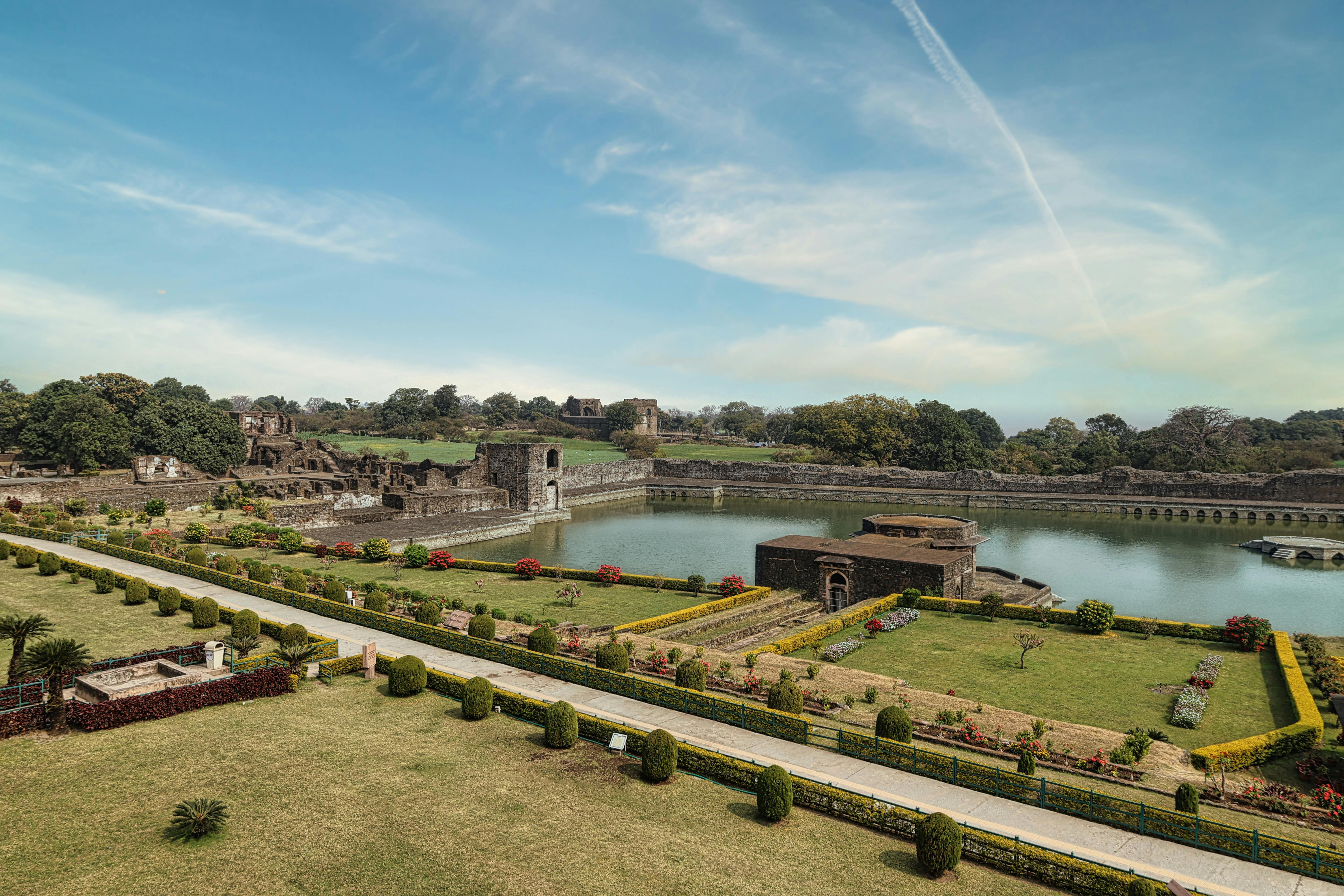
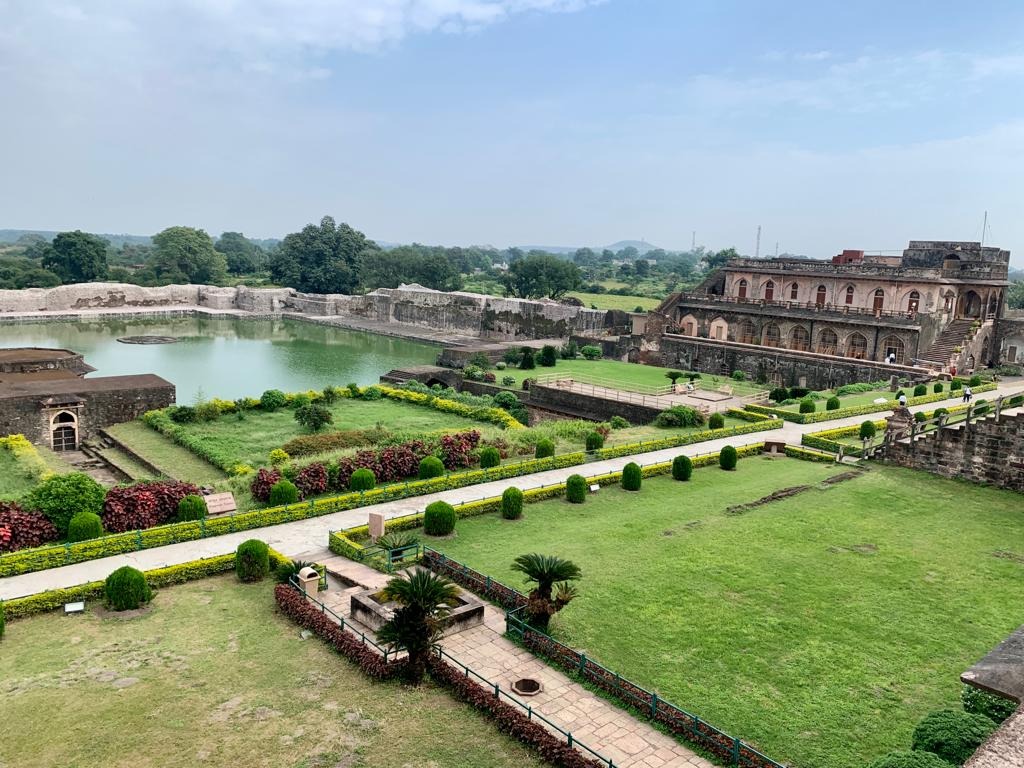
Nestled amidst the historic landscape of Mandu in Madhya Pradesh, Chappan Mahal is one of the lesser-known yet fascinating heritage sites that offers visitors a glimpse into the region’s rich past. While Mandu is famous for landmarks like Jahaz Mahal and Baz Bahadur Palace, Chappan Mahal quietly preserves centuries of history through its impressive architecture and museum collections. Today, the monument serves as the Chappan Mahal Museum, making it an ideal destination for history enthusiasts, archaeology lovers, and travelers eager to explore Mandu beyond its popular attractions.
History and Architecture
Chappan Mahal dates back to the 16th century and represents the mature phase of Mandu’s medieval architectural tradition. The structure originally served as a mausoleum and stands as a fine example of the architectural styles that flourished during the later periods of the Malwa Sultanate.
The monument underwent significant restoration in 1899 CE (Vikram Samvat 1956) under the rulers of Dhar State. The restoration project was not only aimed at preserving the historic structure but also provided employment and relief to local communities affected by severe drought conditions. The name “Chappan Mahal” is associated with the Vikram Samvat year 1956, commemorating the restoration efforts undertaken during that period.
A new chapter in the monument’s history began in 1989 when it was transformed into a museum. The initiative was led by Mrinalinidevi Puar, wife of Anand Rao Puar IV, who generously donated the property for public use. The museum was formally inaugurated in 1999 (Vikram Samvat 2056), preserving the site’s historical significance while creating a space for cultural education.
Today, the State Archaeology Department manages the museum, which features modern amenities such as improved lighting, audio-visual presentations, and well-curated exhibits that enrich the visitor experience.
Museum Galleries
The museum is divided into four distinct galleries, each showcasing a different aspect of the region’s history and cultural heritage.
Drishyika Gallery
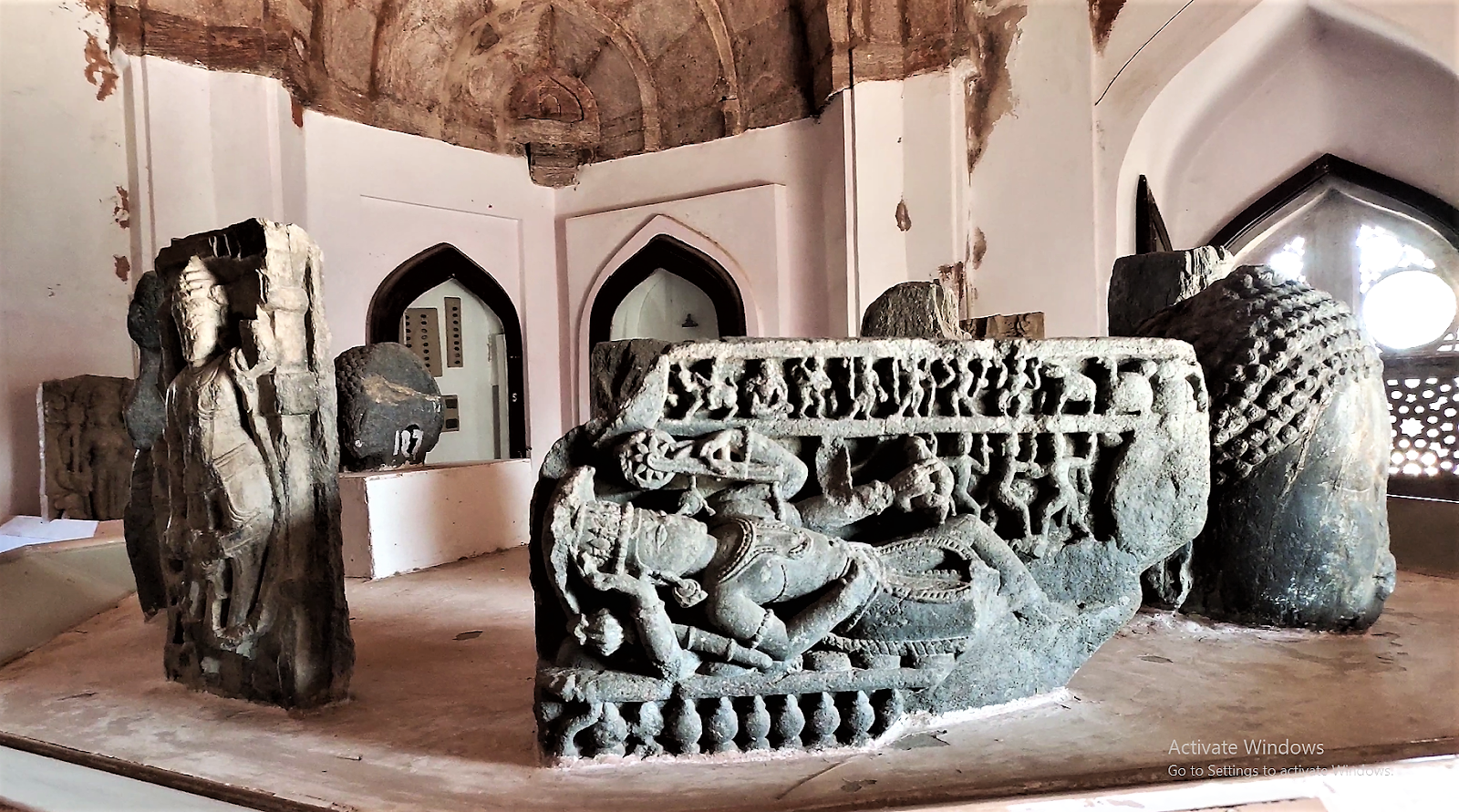
This gallery displays an impressive collection of sculptures and artifacts that reflect the artistic and religious traditions of the region. Visitors can admire images of Hindu deities, Jain Tirthankaras, and objects used in everyday life during different historical periods.
Mandapika Gallery
The Mandapika Gallery focuses on architectural elements from the medieval era. Exhibits include beautifully carved doors, door frames, pillars, lintels, and decorative stone fragments. The intricate craftsmanship on display highlights the remarkable skills of the artisans who once worked in the Malwa region.
Aryanika Gallery
Derived from the word meaning “forest,” the Aryanika Gallery is dedicated to the tribal communities of the region. It showcases traditional jewelry, clothing, tools, and cultural artifacts that provide insight into the lifestyle and customs of local tribal populations.
Poorvika Gallery
The Poorvika Gallery takes visitors even further back in time, featuring prehistoric artifacts and stone tools. These exhibits help trace the early stages of human settlement and evolution in the region, making it particularly interesting for archaeology enthusiasts.
Best Time to Visit Chappan Mahal
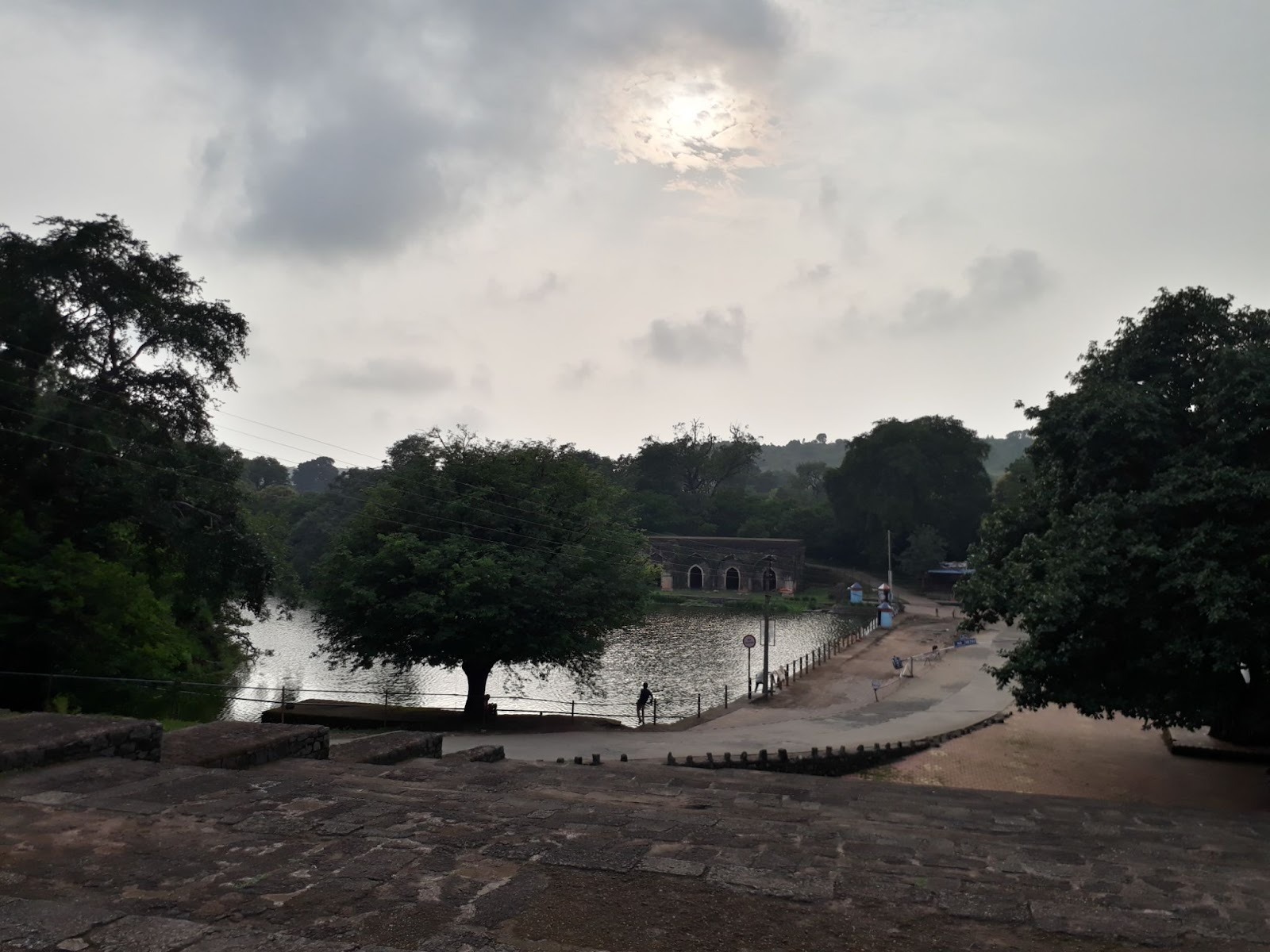
The best time to visit Chappan Mahal is between October and March when the weather in Mandu remains pleasant and ideal for sightseeing. During the monsoon season, Mandu transforms into a lush green paradise, adding a unique charm to the historic surroundings.
The museum remains open from 10:00 AM to 5:00 PM on all days except Monday. Entry is generally free, making it a worthwhile stop for travelers exploring Mandu’s heritage circuit.
How to Reach
Chappan Mahal is located within the historic town of Mandu in the Dhar district of Madhya Pradesh and is easily accessible from major nearby cities.
By Air: The nearest airport is Devi Ahilyabai Holkar Airport in Indore, located about 100 km away. From the airport, visitors can hire a taxi or take a bus to Mandu.
By Train: The nearest major railway station is Indore Junction. Other nearby railway stations include Ratlam and Mhow, which are well-connected to major Indian cities.
By Road: Mandu is connected by a good network of roads to Indore, Dhar, Ujjain, and Bhopal. Regular buses and private taxis operate from Indore and Dhar to Mandu.
Local Transport: Once in Mandu, auto-rickshaws, taxis, and local guides are available for exploring Chappan Mahal and other nearby monuments.
Nearby Attractions
Jahaz Mahal
One of Mandu’s most iconic landmarks, Jahaz Mahal appears like a floating ship between two lakes and is renowned for its stunning architecture.
Hindola Mahal
Known as the “Swinging Palace,” this unique structure features sloping walls and impressive medieval engineering.
Baz Bahadur Palace
A beautiful palace associated with the legendary love story of Baz Bahadur and Rani Roopmati.
Rani Roopmati Pavilion
Perched on a hilltop, this pavilion offers breathtaking views of the Narmada Valley and surrounding countryside.
Hoshang Shah’s Tomb
Considered India’s first marble mausoleum, it is believed to have inspired the design of the Taj Mahal.
Jami Masjid
A grand mosque showcasing Afghan-inspired architecture and one of Mandu’s most significant monuments.
Map
FAQs
Why is it called Chappan Mahal?
The name is linked to Vikram Samvat 1956, the year during which the monument underwent major restoration under the rulers of Dhar State.
What can visitors see inside the museum?
The museum houses sculptures, architectural fragments, tribal artifacts, jewelry, prehistoric tools, and cultural exhibits spread across four galleries.
Is there an entry fee for Chappan Mahal Museum?
Entry is generally free, though visitors should verify current regulations before visiting.
How much time is needed to explore the museum?
Most visitors spend about 30 minutes to 1 hour exploring the galleries and learning about the region’s history.
Is Chappan Mahal suitable for families and students?
Yes. The museum is an excellent educational destination for families, students, researchers, and anyone interested in history, archaeology, and culture.
What is the best season to visit?
Winter (October to March) offers the most comfortable weather for sightseeing, although the monsoon season provides spectacular scenic beauty around Mandu.