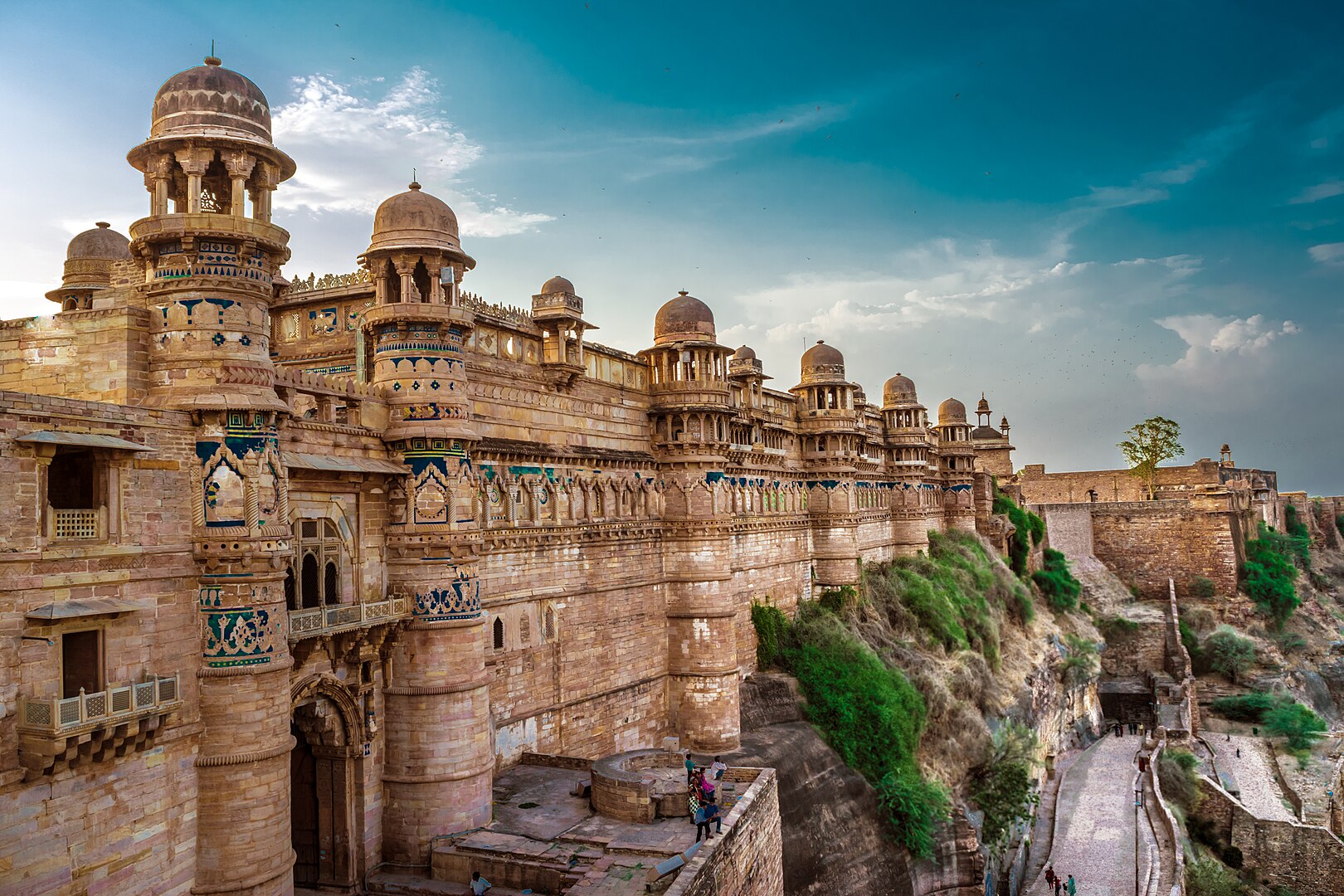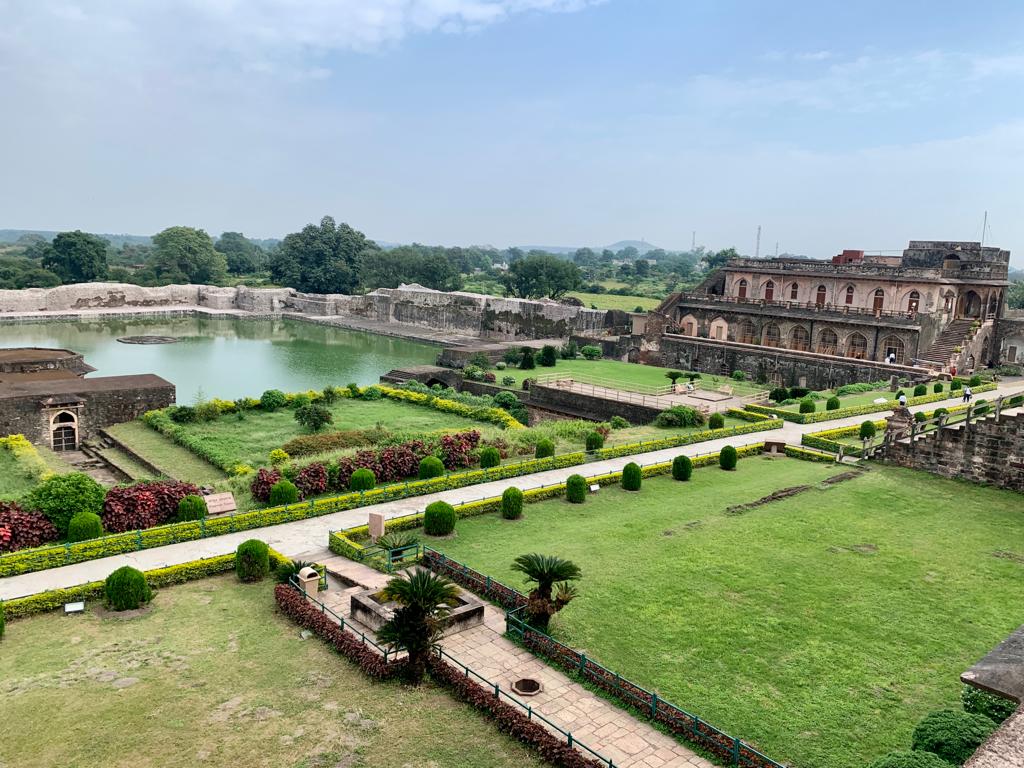
Image Source: Prashant Chouhan
Introduction
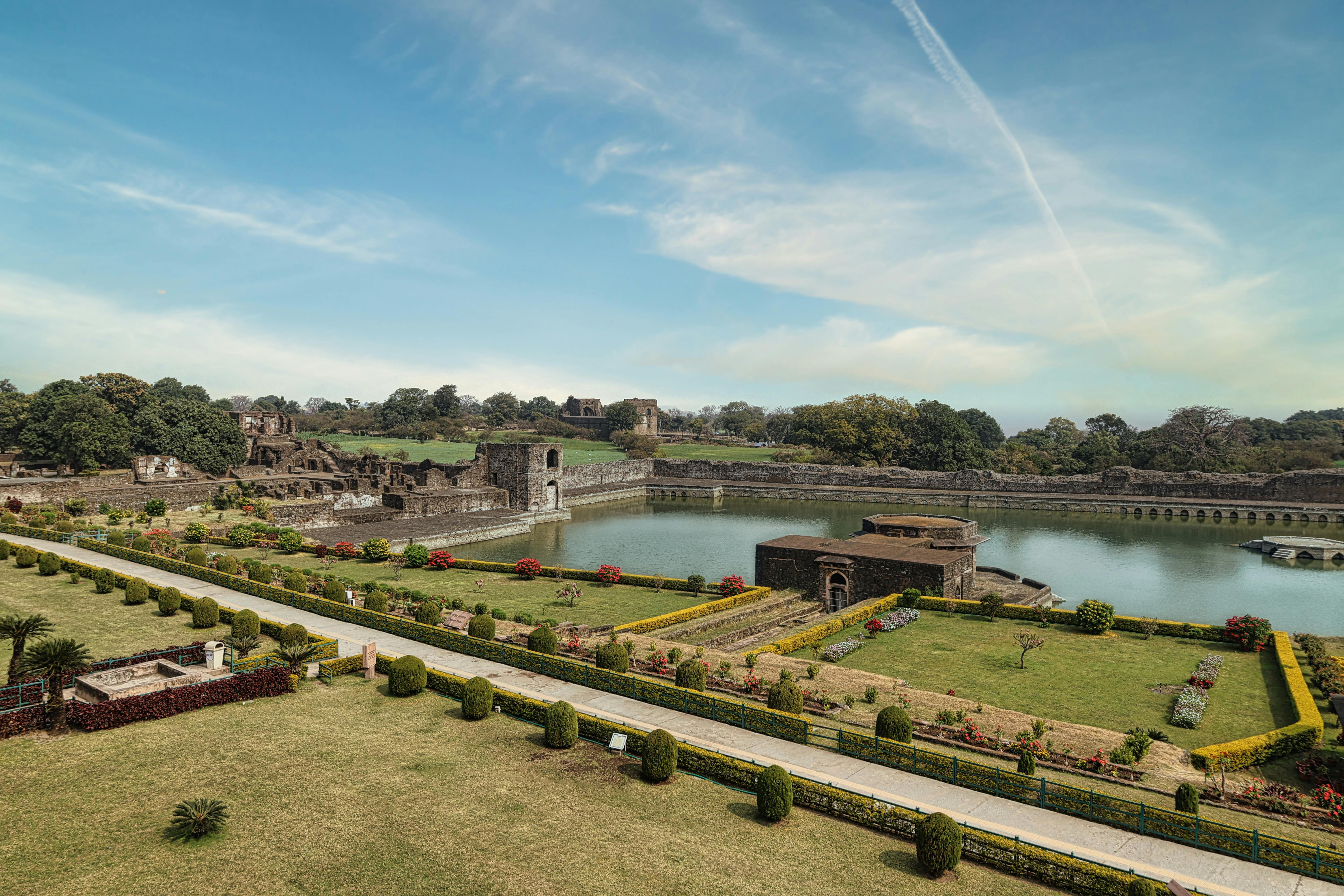
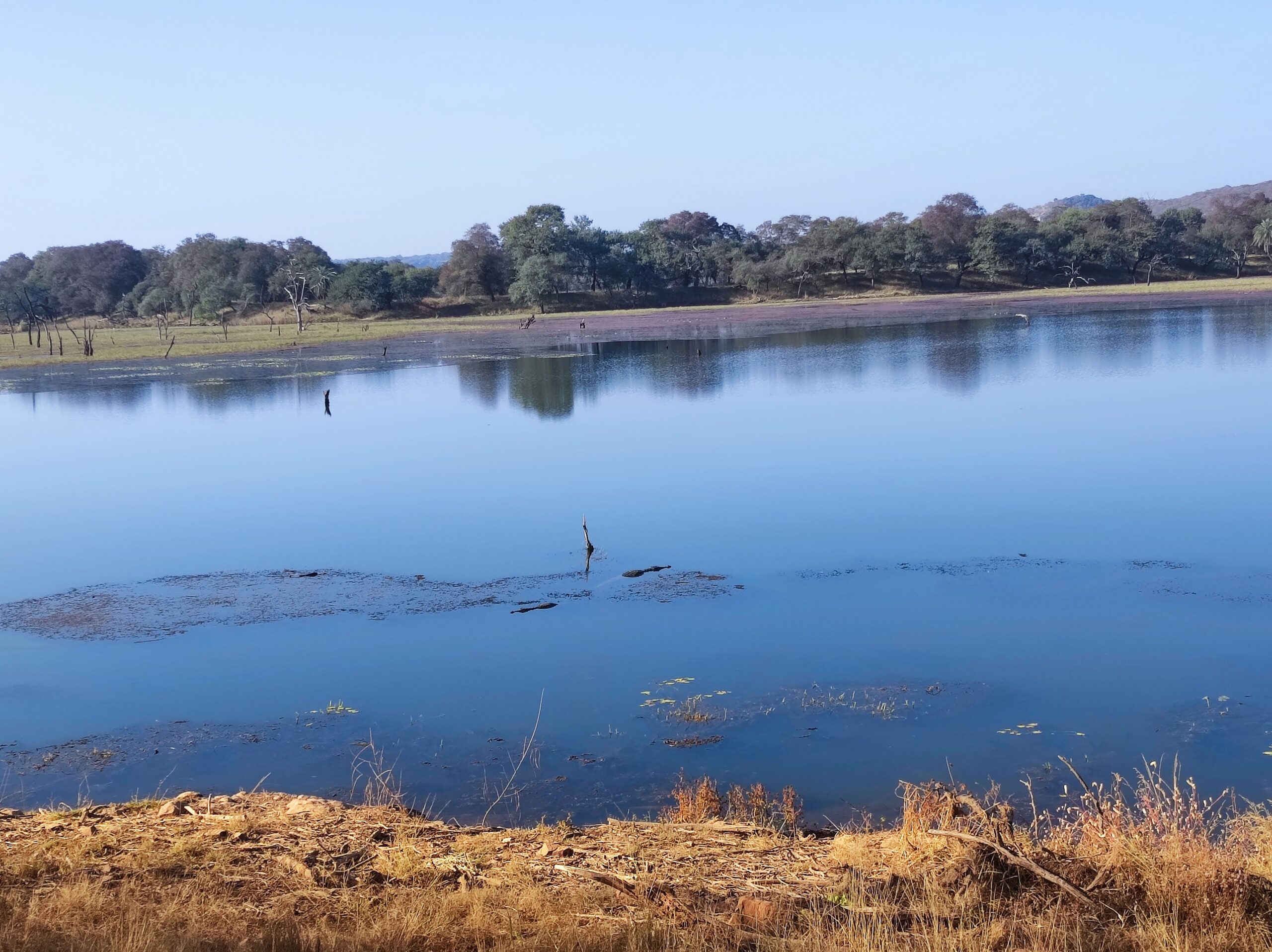
Perched gracefully between two shimmering lakes in the historic town of Mandu in Madhya Pradesh, the magnificent Jahaz Mahal, or “Ship Palace,” is one of the most iconic monuments of medieval India. Built on a narrow strip of land between Munj Talao and Kapur Talao, the palace appears to float on water, especially during the monsoon season, giving it the appearance of a grand ship anchored in the middle of a lake. This striking visual effect is what earned the structure its memorable name — Jahaz Mahal.
Located around 1.5 kilometers from the Mandu Bus Stand, the palace stands as a fascinating reminder of Mandu’s royal past, blending beauty, luxury, engineering brilliance, and architectural elegance. Even today, visitors are captivated by its long corridors, airy terraces, water systems, and scenic surroundings.
History of Jahaz Mahal
Jahaz Mahal was built during the 15th century by Sultan Ghiyas-ud-din Khilji, the son of Mohammed Shah and the ruler of the Malwa Sultanate. Ghiyas-ud-din was known for his luxurious lifestyle and fondness for art, music, and royal comforts. Historical accounts suggest that the palace was constructed to accommodate the enormous royal harem, which reportedly included nearly 15,000 women. Many of these women also served as guards and attendants within the royal household.
The palace was designed not only as a residence but also as a private retreat where the women of the court could live comfortably while remaining protected from public view. The structure reflects the sophistication and grandeur of Mandu during its golden era, when the city flourished as an important cultural and architectural center.
Over the centuries, Jahaz Mahal has survived changing dynasties, weather, and time, yet it continues to stand proudly as one of the finest examples of medieval palace architecture in India.
Architectural Beauty of Jahaz Mahal
Jahaz Mahal is admired for its unique blend of Afghan, Mughal, Hindu, and Mesopotamian architectural influences. This fusion of styles gives the monument a distinctive character that sets it apart from many other historical structures in India.
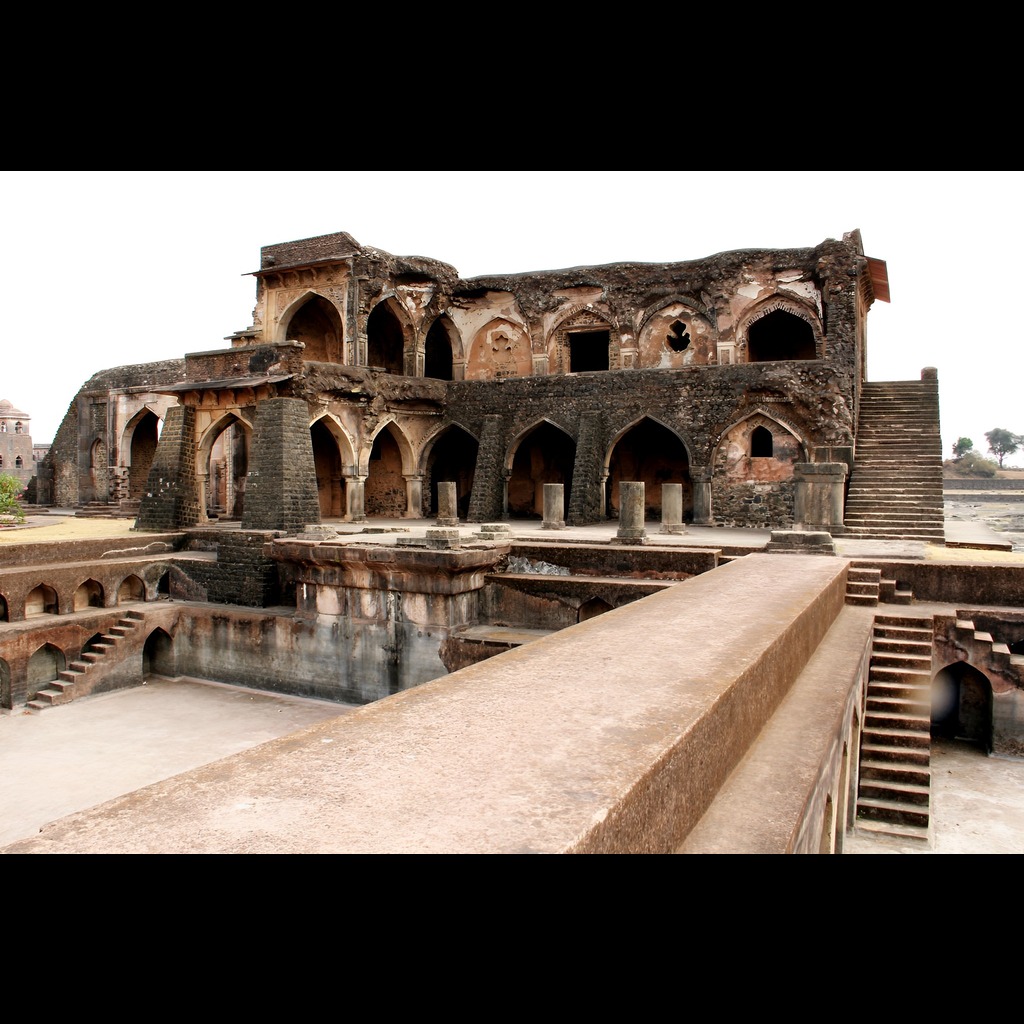
The palace is rectangular in shape and stretches approximately 120 meters in length and 15 meters in width. It consists of two elegant floors connected through corridors, staircases, balconies, and open pavilions. The long and narrow design was intentionally planned to enhance the illusion of a floating ship.
One of the most attractive features of the palace is its spacious terrace, which offers breathtaking views of the surrounding lakes and the green landscapes of Mandu. During sunrise and sunset, the reflection of the palace in the water creates a magical atmosphere that attracts photographers and history enthusiasts alike.
The first-floor pavilions, graceful domes, and beautifully balanced roof structures add charm and symmetry to the monument. The combination of flat roofs and domed pavilions demonstrates the architectural creativity of the builders.
Water Systems and Engineering Marvel
One of the most fascinating aspects of Jahaz Mahal is its advanced water management system. The palace was designed with intricate water channels, pools, and storage systems that showcase the engineering skills of medieval architects.
On the ground floor, there is a large pool surrounded on three sides by elegant colonnades. A similar arrangement exists on the upper floor, where water was supplied through specially designed channels. These channels not only carried water efficiently but also helped keep the palace cool during hot summers.
The placement of the palace between Munj Talao and Kapur Talao further enhanced natural cooling and created a pleasant environment for the royal residents. Mandu’s architects were highly skilled in rainwater harvesting and hydraulic engineering, and Jahaz Mahal remains one of the best examples of this expertise.
Design and Interior Layout
The eastern entrance of Jahaz Mahal displays Gothic-style influences, which add another layer of uniqueness to the structure. Large interconnected rooms on the ground floor are linked through spacious corridors, creating an open and airy atmosphere.
The harem quarters were carefully designed to ensure privacy. The women residing within the palace could move freely and comfortably without being visible to outsiders. At the same time, the palace layout allowed them access to fresh air, scenic views, and recreational spaces.
The open terraces, delicate arches, decorative balconies, and symmetrical arrangement of rooms highlight the luxurious lifestyle enjoyed by the royal household during the medieval period.
Best Time to Visit Jahaz Mahal
Although Jahaz Mahal can be visited throughout the year, the monsoon season is considered the best time to experience its true beauty. During the rains, the surrounding lakes fill with water, making the palace appear as though it is floating like a ship. The lush greenery of Mandu further enhances the charm of the monument.
Winter months from October to February are also pleasant for sightseeing due to the cool and comfortable weather.
Timings and Entry Fee
Timings
- Open daily: 6:00 AM to 7:00 PM.
Entry Fee
- Indian Visitors: ₹25
- Foreign Tourists: ₹100
- Video Camera Fee: ₹25
(Ticket prices may change over time, so checking current rates before visiting is recommended.)
How to Reach
Jahaz Mahal is one of the most famous monuments in Mandu and is located within the Royal Enclave Group of Monuments. Built on a narrow strip of land between the Munj Talao and Kapur Talao lakes, the palace is situated about 1.5 km from the Mandu Bus Stand and can be easily reached by road.
By Air
The nearest airport is Devi Ahilya Bai Holkar Airport in Indore, located approximately 90–95 km from Mandu. The airport is well connected to major cities such as Delhi, Mumbai, Bengaluru, and Hyderabad. From the airport, visitors can hire a taxi or cab to reach Mandu.
By Rail
The nearest major railway station is Indore Junction, about 95 km away. Another convenient option is Dhar Railway Station, located around 35 km from Mandu. Regular taxis and buses operate from both locations to Mandu.
By Road
Mandu is well connected by road to Indore, Dhar, Ujjain, Ratlam, and other cities of Madhya Pradesh. Regular state transport and private buses are available from Indore and Dhar. Once in Mandu, Jahaz Mahal can be reached by taxi, auto-rickshaw, or even on foot while exploring the Royal Enclave complex.
Local Transportation
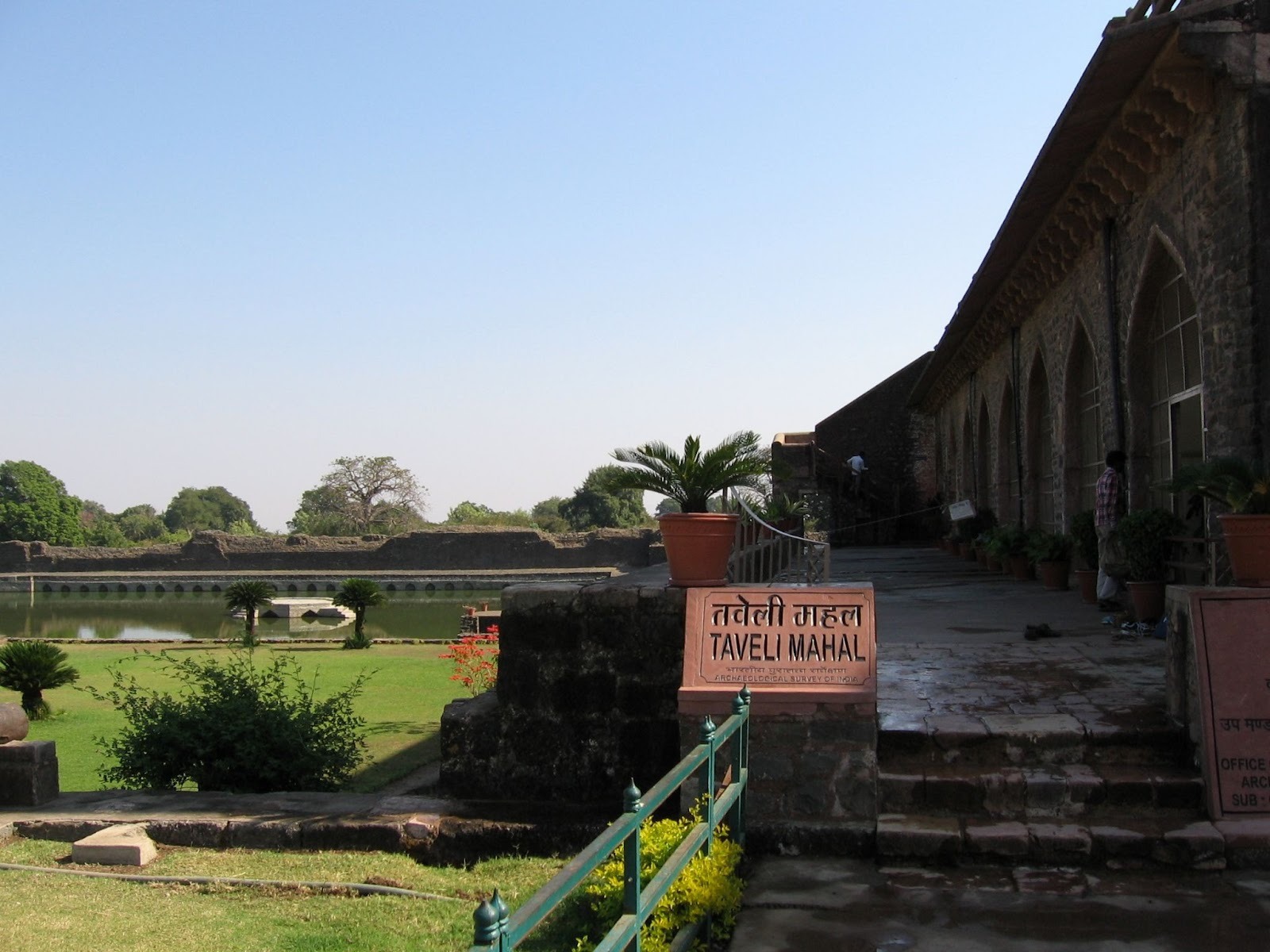
Most visitors explore Jahaz Mahal along with nearby monuments such as Hindola Mahal, Taveli Mahal, and Nahar Jharokha, as all these attractions are located within the same heritage complex and are easily accessible by walking.
Travel Tip
Early morning and late afternoon are the best times to visit Jahaz Mahal. During these hours, the reflection of the palace in the surrounding lakes creates the illusion of a floating ship, which is how the monument earned its name, “Ship Palace.”
Nearby Attractions in Mandu
Visitors exploring Jahaz Mahal often combine their trip with other famous monuments in Mandu, including:
- Hindola Mahal.
- Rani Roopmati Pavilion.
- Baz Bahadur Palace.
- Hoshang Shah’s Tomb.
- Jami Masjid.
Together, these sites showcase the rich history and architectural heritage of the ancient city.
Location
Its located 1.5 km from the mandu bus stand.
FAQs
Why is Jahaz Mahal called the Ship Palace?
Jahaz Mahal gets its name because it appears like a floating ship between the two lakes — Munj Talao and Kapur Talao — especially during the monsoon season.
Who built Jahaz Mahal?
The palace was built by Sultan Ghiyas-ud-din Khilji in the 15th century during the rule of the Malwa Sultanate.
Where is Jahaz Mahal located?
Jahaz Mahal is located in Mandu, in the Dhar district of Madhya Pradesh, India.
What is special about Jahaz Mahal?
The palace is famous for its unique ship-like appearance, beautiful blend of architectural styles, advanced water systems, scenic location, and historical significance.
What is the best time to visit Jahaz Mahal?
The monsoon season and winter months are considered the best times to visit due to pleasant weather and beautiful lake views.
How much time is needed to explore Jahaz Mahal?
Most visitors spend around 1 to 2 hours exploring the palace and enjoying the surrounding views.
Is photography allowed inside Jahaz Mahal?
Yes, photography is allowed. However, an additional fee may apply for video cameras or professional equipment.
Is Jahaz Mahal suitable for family trips?
Yes, Jahaz Mahal is a popular destination for families, history lovers, architecture enthusiasts, and photographers.