Image Source: Saikat Sarkar
About Nasiyan Temple
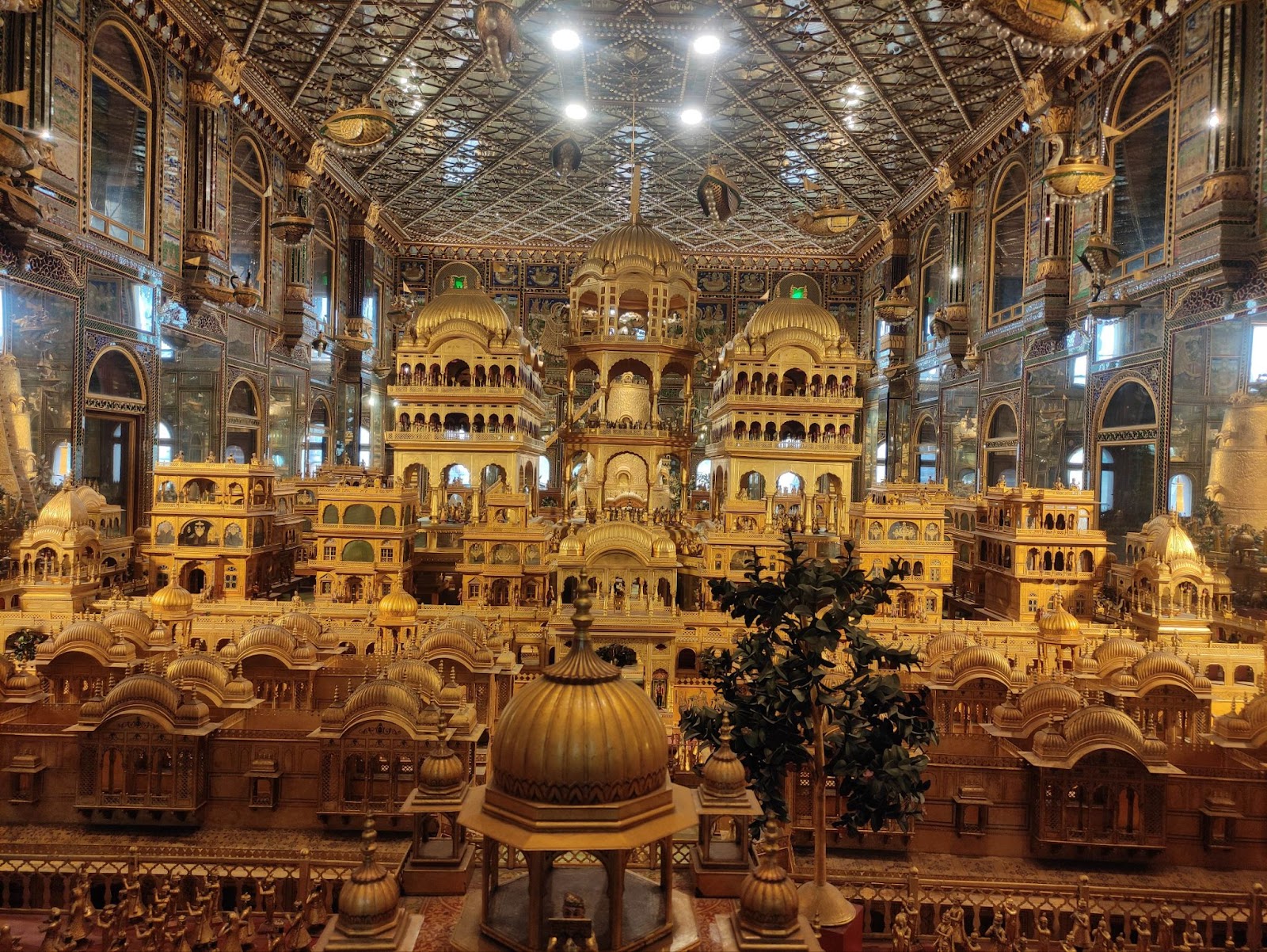
Nestled in the heart of Ajmer, Rajasthan, Nasiyan Jain Temple is one of the most fascinating Jain temples in India. Popularly known as Soniji Ki Nasiyan or the Ajmer Jain Temple, this architectural marvel is admired for its extraordinary craftsmanship, spiritual significance, and stunning gold-plated interiors. While many Jain temples across western and southern India are celebrated for their intricate carvings and peaceful atmosphere, Nasiyan Temple stands out for its unique depiction of the ancient city of Ayodhya crafted with nearly 1,000 kilograms of gold.
The temple is not only a sacred religious site for the Jain community but also an important heritage attraction for travelers visiting Ajmer. Its blend of spirituality, history, art, and architecture makes it one of the city’s most remarkable landmarks.
History of Nasiyan Temple
Like most Jain temples, Nasiyan Temple is dedicated to one of the 24 revered Jain Tirthankaras. This temple honors Rishabhanatha, also known as Adinath, who is regarded as the first Tirthankara in Jainism.
The foundation of the temple was laid on October 10, 1864, by Rai Bahadur Seth Moolchand Soni and Seth Nemichand Soni. The construction was completed on May 26, 1865, under the guidance of Pandit Sadasukhdasji of Jaipur, a respected Jain scholar and religious leader of the time.
Originally, the temple was known as Siddhkoot Chaityalaya. However, its identity changed dramatically after the addition of the magnificent chamber known as Swarna Nagari or the “City of Gold.” The dazzling golden display became so famous that locals began referring to the temple as Sone Ka Mandir and later Soniji Ki Nasiyan.
Over the years, the temple has evolved into one of Rajasthan’s most visited Jain pilgrimage sites and a major cultural attraction in Ajmer.
Architecture and Design
The architecture of Nasiyan Temple is a breathtaking combination of artistry, devotion, and traditional Jain craftsmanship. Built primarily with red sandstone, the temple immediately captures attention with its grand façade and beautifully carved entrance gate.
As visitors enter the complex, marble staircases lead toward the main shrine, where detailed carvings on pillars, arches, and walls showcase the richness of Jain art. The interiors are adorned with delicate patterns, ornamental designs, and statues of various Tirthankaras that reflect the spiritual depth of Jain philosophy.
One of the most striking features of the temple is the magnificent Swarna Nagari Hall. This chamber contains elaborate golden wooden models depicting scenes from Jain mythology, especially the life and kingdom of Lord Rishabhanatha and the ancient city of Ayodhya. The intricate craftsmanship and extensive use of gold make this hall truly unforgettable.
Inside the main sanctum, a serene white marble idol of Lord Rishabhnath seated in the Samavasarana posture creates an atmosphere of peace and devotion. The calm surroundings and spiritual ambiance make the temple a deeply meditative place.
Swarna Nagari – The City of Gold
The highlight of Nasiyan Temple is undoubtedly the famous Swarna Nagari, a stunning chamber filled with gold-plated miniature structures. This section represents Ayodhya, the birthplace of Lord Rishabhanatha, through beautifully crafted models of palaces, gardens, elephants, horses, chariots, and celestial beings.
The intricate detailing of the display reflects the exceptional artistic skills of craftsmen from the 19th century. Unlike ordinary temple interiors, this golden chamber resembles a grand historical exhibit and attracts historians, architects, photographers, and tourists from around the world.
The entire display is created using wood coated with gold, giving it an extraordinary brilliance that leaves visitors amazed.
Important Sections of the Temple
Vedis
The temple houses three sacred Vedis, which are important platforms used for Jain rituals and prayers. Idols of different Tirthankaras are installed here, and religious ceremonies are performed by members of the Jain community.
Shantinath Statue
Another major attraction within the complex is the towering statue of Shantinatha. Standing approximately 54 feet tall, it is considered one of the tallest statues dedicated to Lord Shantinath in the world. The statue symbolizes peace, spiritual wisdom, and non-violence.
Manastambha
The beautifully designed Manastambha, or Pillar of Honor, rises to a height of nearly 82 feet inside the temple complex. Built by R.B. Seth Tikamchand Soni and Seth Sir Bhagchand Soni, the structure represents humility and devotion in Jain tradition. Its elegant carvings and detailed workmanship add to the grandeur of the temple complex.
Library
A valuable addition to the temple complex is its large library, established in 1974 in the presence of Acharya Vidyasagar Ji Maharaj. Founded by R.B. Seth Sir Bhagchand Soni, the library preserves rare Jain manuscripts, scriptures, and religious texts.
The collection serves as an important resource for researchers, scholars, and followers of Jain philosophy. Many ancient texts preserved here provide insights into Jain traditions, ethics, literature, and history.
Spiritual Importance of the Temple
Nasiyan Temple holds immense religious importance for followers of Jainism. The temple symbolizes principles central to Jain philosophy such as non-violence, truth, renunciation, and spiritual purity.
Pilgrims visit the temple not only for worship but also to experience the peaceful atmosphere and learn about Jain heritage. The detailed artistic representations inside the temple help visitors understand Jain mythology and the life of Lord Rishabhanatha in a visually captivating way.
Famous Visitors
Over the years, the temple has welcomed several notable personalities and national leaders. Distinguished visitors have included India’s first President Rajendra Prasad, Prime Ministers Jawaharlal Nehru, Indira Gandhi, Morarji Desai, and Rajiv Gandhi. Military leader K. M. Cariappa also visited the temple.
Their visits reflect the temple’s cultural and historical importance beyond religious boundaries.
Best Time to Visit
The best time to visit Nasiyan Temple is between October and March, when the weather in Ajmer remains pleasant and suitable for sightseeing. Early mornings and evenings offer a peaceful experience, especially for those interested in meditation and photography.
Visitors often combine their trip with nearby attractions such as Ajmer Sharif Dargah and Ana Sagar Lake.
How to Reach Nasiyan Temple, Ajmer
- By Train: The nearest railway station is Ajmer Junction Railway Station, located just a short distance from the temple and well connected to major cities like Delhi, Jaipur, and Ahmedabad.
- By Air: The nearest airport is Kishangarh Airport, around 25–30 km away, with regular flights from major Indian cities.
- By Road: Ajmer is well connected via national highways, and regular buses and taxis operate from Jaipur, Pushkar, and nearby towns.
- Local Transport: Auto-rickshaws and e-rickshaws are easily available within Ajmer city for convenient travel to Nasiyan Temple.
Nearby Attractions of Nasiyan Temple, Ajmer
- Ajmer Sharif Dargah – One of the most famous spiritual sites in India, known for its Sufi heritage and vibrant devotional atmosphere.
- Ana Sagar Lake – A scenic lake ideal for evening walks, boating, and watching beautiful sunsets over Ajmer.
- Adhai Din Ka Jhonpra – A remarkable historical monument showcasing early Indo-Islamic architecture.
- Akbar Palace and Museum – A museum that highlights Mughal history, artifacts, and royal heritage.
- Taragarh Fort – A hilltop fort offering panoramic views of Ajmer city and surrounding landscapes.
Map and Location of Nasiyan Temple
Located at a distance of just 1 km from Ajmer Junction Railway station and 1.5 km from Ajmer Dargah Sharif, the place is easily accessible to visitors.
FAQs
Why is Nasiyan Temple famous?
Nasiyan Temple is famous for its Swarna Nagari or “City of Gold,” which features elaborate gold-plated depictions of Ayodhya and scenes from Jain mythology. It is also known for its stunning Jain architecture and spiritual significance.
Where is Nasiyan Temple located?
The temple is located in Ajmer, Rajasthan, near the Ajmer Railway Station and close to several major tourist attractions in the city.
Which Tirthankara is worshipped in Nasiyan Temple?
The temple is dedicated to Lord Rishabhanatha (Adinath), the first Tirthankara in Jainism.
What is the meaning of Swarna Nagari?
Swarna Nagari means “City of Gold.” It is the temple’s main attraction featuring golden miniature models representing the ancient city of Ayodhya.
Is photography allowed inside the temple?
Photography rules may vary in different sections of the temple. Visitors are usually advised to check with temple authorities before taking photographs, especially inside the golden chamber.
What are the temple timings?
Nasiyan Temple generally remains open during daytime hours, though timings can vary during festivals and religious occasions.
Is there an entry fee for Swarna Nagari?
Yes, visitors may need to purchase a ticket to enter the Swarna Nagari section, while entry to the temple premises itself may be free.
What is the architectural style of the temple?
The temple reflects traditional Jain architecture with influences of Rajput and Mughal craftsmanship, featuring red sandstone construction, marble interiors, detailed carvings, and gold-plated decorative work.