Image Source: Manjith NK
About Nahargarh Fort
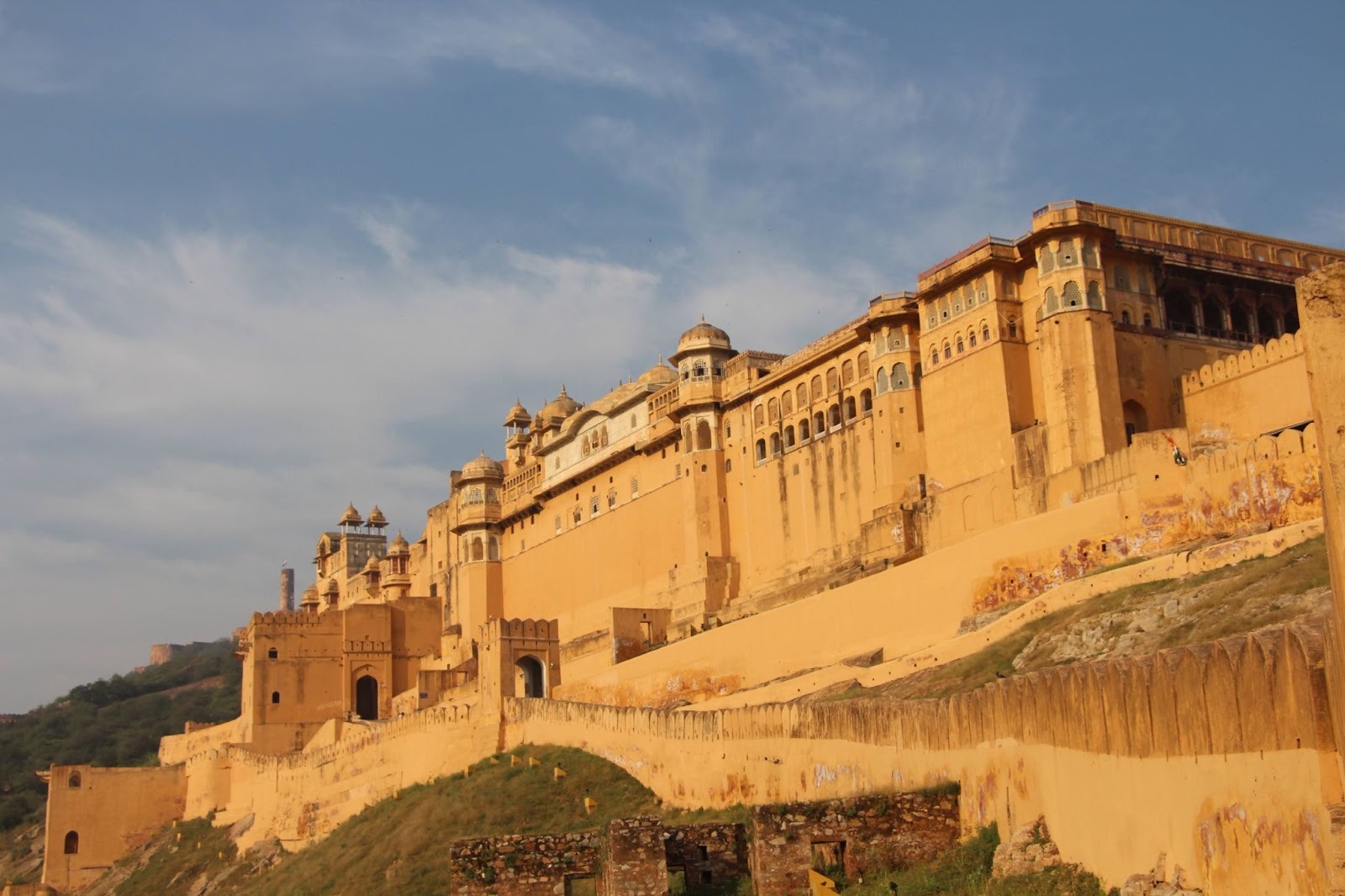
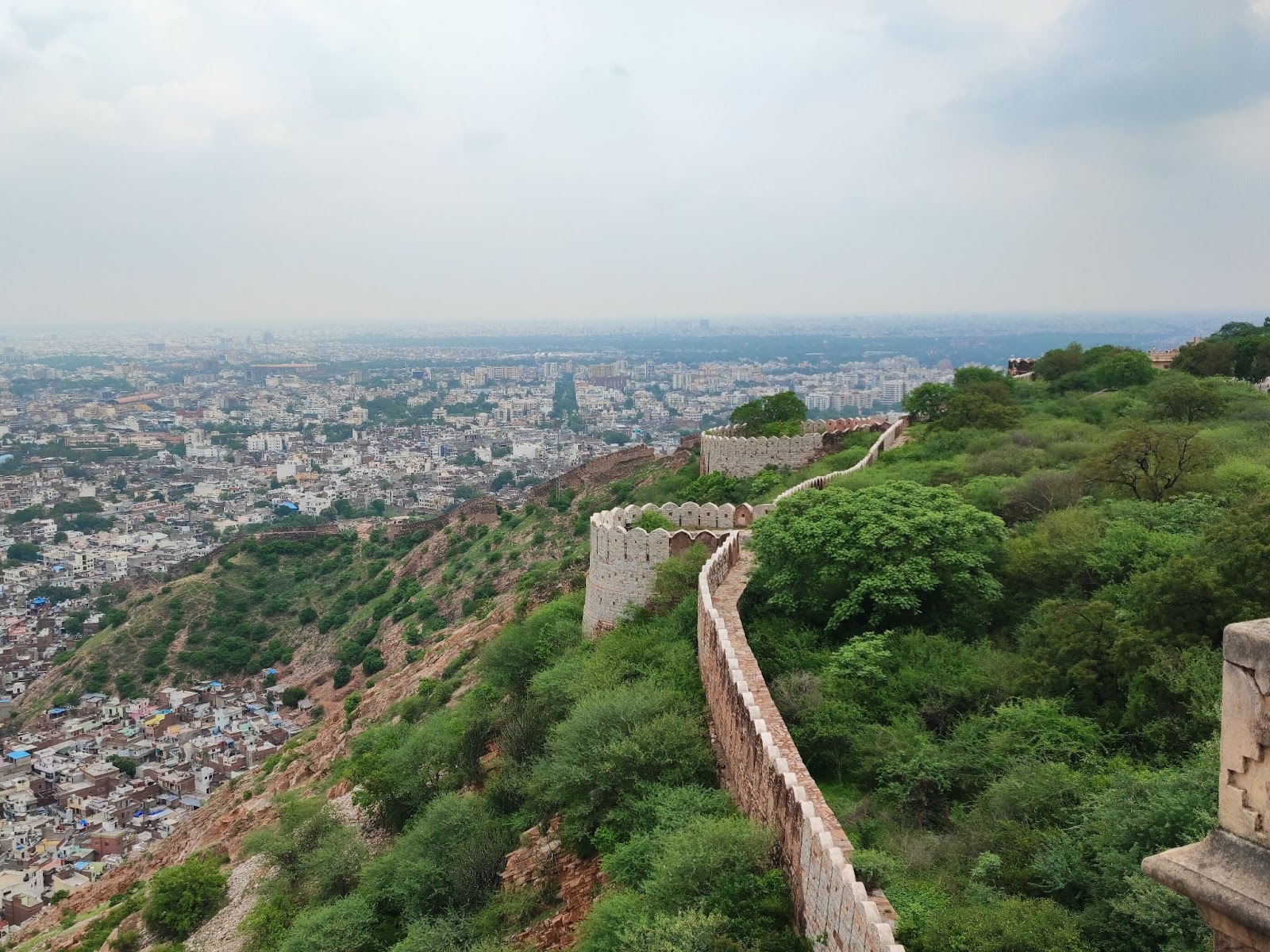
Perched high on the rugged ridges of the Aravalli Hills, Nahargarh Fort is one of Jaipur’s most iconic landmarks and a symbol of Rajasthan’s royal heritage. Overlooking the Pink City from the northwest, the fort offers spectacular views of Jaipur’s skyline and remains one of the most popular attractions in the city. Located about 6 km from Jaipur Junction Railway Station, it is easily accessible and often visited along with Amer Fort and Jaigarh Fort.
The name “Nahargarh” translates to “Abode of Tigers,” although local folklore links it to the spirit of a Rathore prince named Nahar Singh Bhomia. According to legend, the fort’s construction faced repeated obstacles because of his restless spirit. To appease him, a temple was built within the fort premises, and the fort was named after him.
Nahargarh Fort was commissioned in 1734 by the founder of Jaipur, Maharaja Sawai Jai Singh II. Unlike many forts in Rajasthan that witnessed fierce battles, Nahargarh primarily served as a retreat for the royal family and a strategic defense point protecting Jaipur. Together with Amer Fort and Jaigarh Fort, it formed a strong defensive ring around the city.
Over the years, the fort underwent several renovations. In 1868, Maharaja Sawai Ram Singh expanded and beautified the complex. Later, Maharaja Sawai Madho Singh further enhanced the fort by adding elegant frescoes, decorative interiors, and the magnificent Madhavendra Bhawan palace. Today, the fort stands as a blend of military architecture and royal luxury.
One of the most memorable experiences at Nahargarh Fort is witnessing sunset from its ramparts. As darkness falls, the illuminated city of Jaipur spreads out below like a sea of lights, creating a breathtaking panorama. Visitors can also enjoy sweeping views of Man Sagar Lake, Jal Mahal, and the surrounding Aravalli landscape.
Architecture of Nahargarh Fort
Nahargarh Fort showcases a fascinating blend of Rajput and Indo-European architectural styles. Although its exterior appears rugged and defensive, the interiors reveal an elegant royal residence adorned with intricate artwork and decorative elements.
Visitors enter through the impressive Tadigate, the fort’s main gateway. Near the entrance stands a temple dedicated to local deities and the guardian spirit associated with the fort’s history.
The architectural highlight of Nahargarh is Madhavendra Bhawan, a beautifully designed palace built by Maharaja Sawai Madho Singh. The palace consists of twelve nearly identical suites constructed for the queens, along with a separate suite for the king. Each suite features bedrooms, corridors, courtyards, and decorative chambers. Interestingly, the suites are interconnected through hidden passages, allowing the king to visit any queen’s quarters discreetly.
The fort also contains halls, courtyards, water storage systems, and sections used for administrative purposes. Among these is the Diwan-i-Aam, where rulers interacted with subjects and addressed public matters. Delicate frescoes, ornamental arches, and colorful wall paintings add to the grandeur of the complex.
Despite its strategic importance, Nahargarh Fort was never captured during a military attack. During the 18th century, when Maratha forces surrounded Jaipur, diplomatic agreements prevented major conflict. The fort also provided refuge to several Europeans during the Revolt of 1857.
How to Reach Nahargarh Fort
Nahargarh Fort is located approximately 6 km from the heart of Jaipur and can be reached conveniently by road.
By Air: Jaipur International Airport is about 20 km away. Taxis and app-based cabs are readily available from the airport to the fort.
By Train: Jaipur Junction Railway Station is around 6 km from Nahargarh Fort. Visitors can hire auto-rickshaws, taxis, or local cabs to reach the fort in about 20–30 minutes, depending on traffic.
By Road: The fort is well connected through Nahargarh Road. Private vehicles, taxis, and auto-rickshaws can easily reach the parking area near the entrance. Many travelers also enjoy the scenic uphill drive through the Aravalli hills.
For Trekking Enthusiasts: Adventure lovers can hike to the fort from the city side. Early morning treks are particularly popular among locals and photographers, offering beautiful views of Jaipur at sunrise.
Nearby Attractions
Amer Fort
Located around 12 km away, Amer Fort is one of Rajasthan’s most magnificent hill forts, known for its grand courtyards, Sheesh Mahal, and royal history.
Jaigarh Fort
Connected to Nahargarh through ancient fortification walls, Jaigarh Fort houses the famous Jaivana Cannon and offers panoramic views of the Aravalli hills.
Jal Mahal
Situated in the middle of Man Sagar Lake, Jal Mahal is one of Jaipur’s most photographed landmarks and can be viewed beautifully from Nahargarh Fort.
City Palace
Located in the heart of Jaipur, the City Palace showcases royal artifacts, museums, courtyards, and centuries of Rajput history.
Hawa Mahal
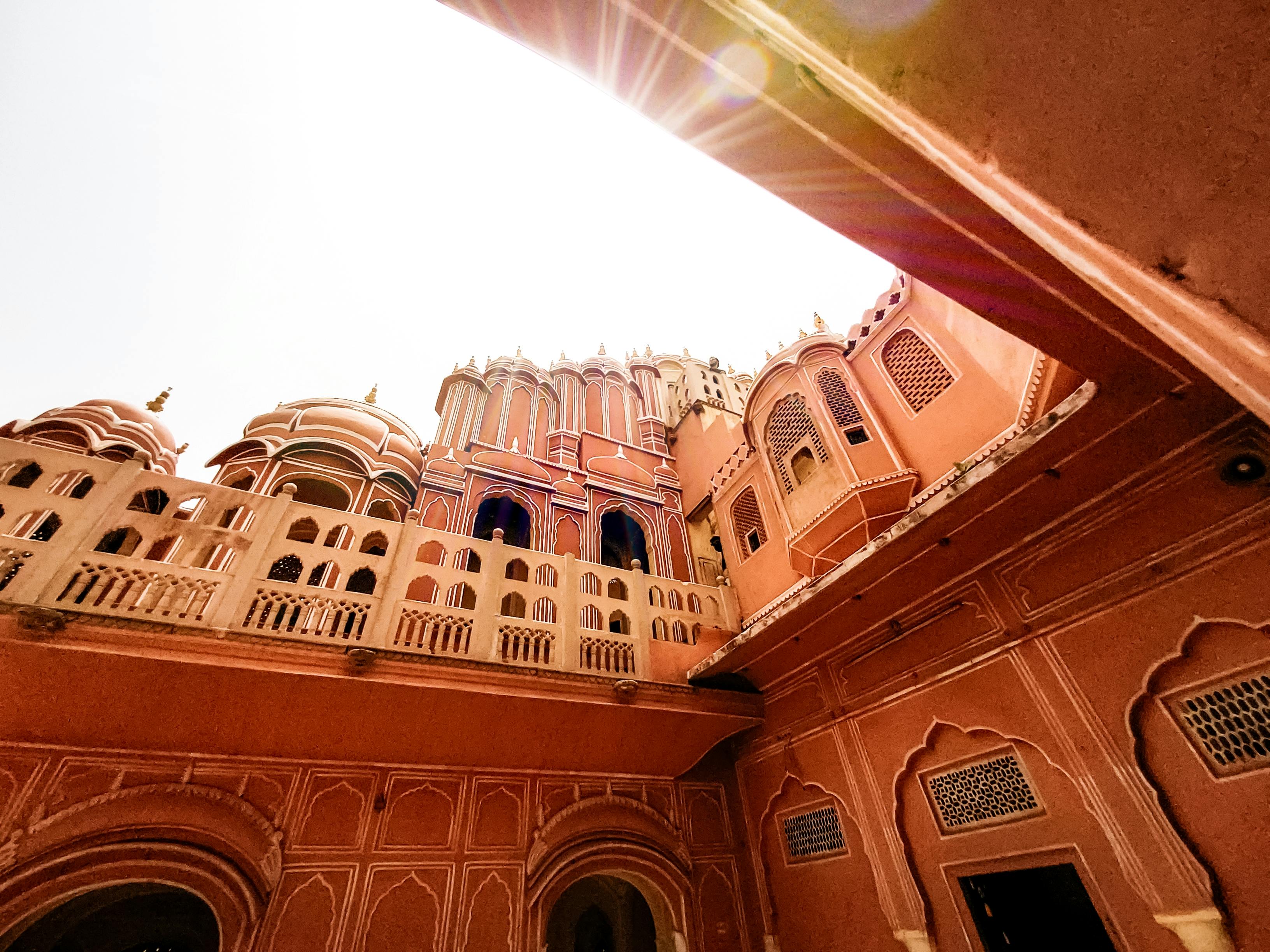
The iconic Palace of Winds is famous for its unique honeycomb façade and intricate lattice windows.
Jantar Mantar
A UNESCO World Heritage Site featuring remarkable astronomical instruments built by Maharaja Sawai Jai Singh II.
Timings and Entry Fee
Timings: 10:00 AM to 10:00 PM daily.
Entry Fee:
- Indian Visitors: ₹50 per person
- Foreign Visitors: ₹200 per person
(Fees may change periodically, so it is advisable to verify current rates before visiting.)
Maps
Faqs
Q: What is the ticket price for Nahargarh Fort?
A: Entry ticket to Nahargarh Fort :
50 /- per person for Indian tourists.
25/- per person for Indian student tourists.
200/- per person for foreign tourists.
Entry ticket to Jaipur Wax Museum and the Sheesh Mahal :
500/- per person for Indian tourists.
700/- per person for foreign tourists.
Timing: 10:00 AM to 10 PM; Everyday
Q: Where is the Nahargarh Fort located?
A: The exact address of Nahargarh Fort is Krishna Nagar, Brahampuri, Jaipur, Rajasthan 302007.
Q: What is the best time to visit Nahargarh Fort?
A: The best time to visit Nahargarh is in the evening. Nahargarh Fort is located in Rajasthan, so the best time to come is during the winter months.
Q: Are there dining options available inside the Nahargarh Fort?
A: Yes, there are restaurants and cafes where you can enjoy refreshing meals.
Q: Is photography allowed inside the Nahargarh Fort?
A: Yes, photography is allowed.
Q: What is the history of Nahargarh Fort?
A: Nahargarh Fort was constructed in 1734 by Maharaja Sawai Jai Singh II, the founder of Jaipur.
Q: What are the major attractions at Nahargarh Fort?
A: Nahargarh Fort offers panoramic views of Jaipur, Apart from this, Madhavendra Bhawan, Diwan-i-Aam, and an ancient stepwell are major attractions.