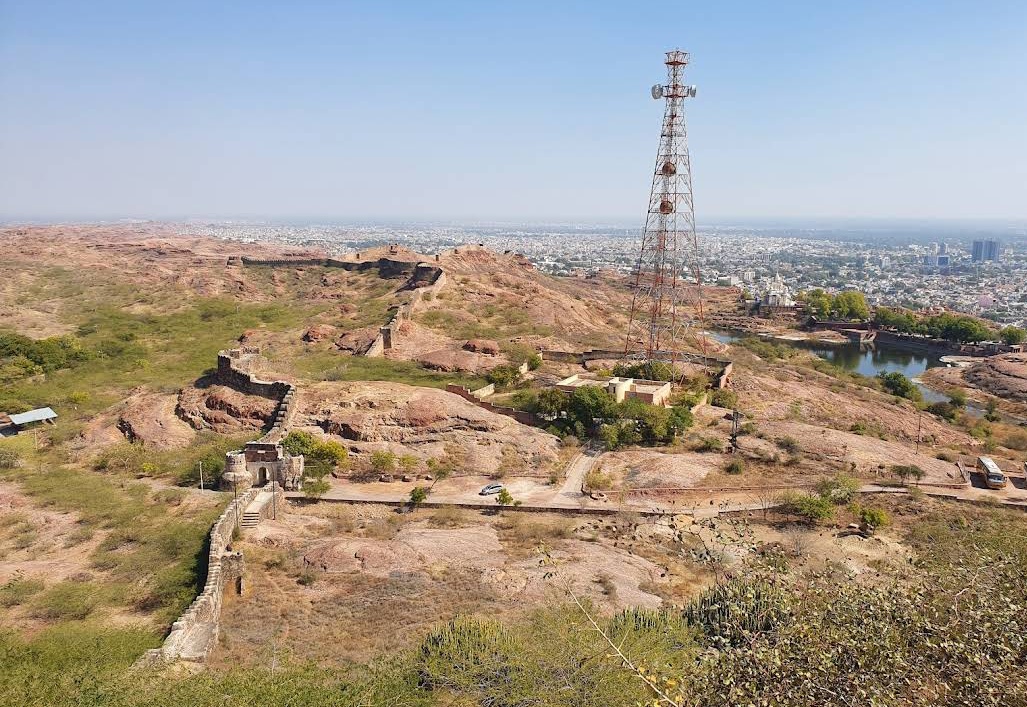
Image Source: Deepak Thathera
About Rao Jodha Desert Rock Park
Nestled at the foot of the majestic Mehrangarh Fort, Rao Jodha Desert Rock Park is one of the most unique ecological restoration projects in India. Spread across nearly 200 acres of rocky desert terrain, the park beautifully showcases the natural vegetation and rugged landscape of Rajasthan’s Thar Desert region. Located just about 1 kilometer from Mehrangarh Fort and around 5 kilometers from Jodhpur Junction railway station, the park offers visitors a refreshing blend of nature, geology, biodiversity, and heritage.
Opened to the public in 2011, the park was created not only to restore the fragile desert ecosystem but also to protect the natural surroundings of the historic fort. Today, it serves as a peaceful green escape in the heart of the Blue City, attracting nature lovers, birdwatchers, photographers, and travelers looking to experience a quieter side of Jodhpur.
The Vision Behind the Restoration
The land where the park now stands was once a neglected rocky wasteland overrun by invasive plant species, especially mesquite, locally known as Baavlia. This hardy shrub, originally introduced from Mexico, had spread aggressively and damaged the native desert ecology.
To revive the area, Maharaja Gaj Singh II entrusted the restoration project to noted environmentalist Pradip Krishen. The project began in 2006 with the aim of restoring the indigenous desert vegetation that once flourished around Mehrangarh Fort. The effort also fulfilled the long-held dream of Maharaja Umaid Singh, who had envisioned turning the barren landscape into a thriving green zone.
Over the years, invasive species were carefully removed, and native desert plants were reintroduced. What was once dry and lifeless terrain slowly transformed into a flourishing ecological reserve filled with indigenous flora and wildlife.
Flora, Fauna, and Rocky Landscapes
One of the most fascinating aspects of Rao Jodha Desert Rock Park is how nature thrives in such harsh climatic conditions. The park is home to more than 300 species of native plants, including shrubs, herbs, grasses, climbers, and desert trees specially adapted to survive in rocky soil and extreme temperatures.
The landscape itself is striking. Massive volcanic rock formations, sandstone ridges, and rugged outcrops create a dramatic desert backdrop against the towering walls of Mehrangarh Fort. During the monsoon and winter months, the otherwise dry terrain comes alive with seasonal wildflowers and fresh greenery.
The park also supports a surprising variety of birdlife. Migratory birds, desert birds, peacocks, and small wildlife species can often be spotted here, making it a rewarding destination for birdwatchers and photographers.
Exploring the Walking Trails
Rao Jodha Desert Rock Park is best explored on foot. The park features four well-marked walking trails, each identified by different color codes — red, yellow, green, and blue. These trails wind through rocky landscapes, native vegetation zones, and scenic viewpoints overlooking Jodhpur city and Mehrangarh Fort.
As visitors walk through the park, they can observe how desert plants have naturally adapted to survive with limited water. Hardy cacti, thorny shrubs, medicinal herbs, and colorful seasonal flowers create a unique ecosystem rarely seen so closely in urban Rajasthan.
Guided walks are also available and highly recommended for those interested in understanding the geology, ecology, and history of the area. Trained naturalists and guides share fascinating insights about native plant species, local wildlife, and the ecological restoration process that transformed the park.
A Peaceful Escape in the Blue City
Unlike the bustling streets of Jodhpur, Rao Jodha Desert Rock Park offers a calm and refreshing atmosphere. The silence of the rocky desert, interrupted only by birdsong and the desert breeze, creates a soothing experience for visitors.
The park is especially beautiful during sunrise and sunset, when the golden light falls on the red sandstone cliffs and Mehrangarh Fort rises dramatically in the background. It is also a fantastic spot for photography, meditation, and leisurely nature walks.
Best Time to Visit
The best time to visit Rao Jodha Desert Rock Park is between October and March, when the weather in Jodhpur remains pleasant and ideal for walking. Winters bring cooler temperatures and clearer skies, making outdoor exploration comfortable.
The monsoon season also adds a different charm to the park, as patches of greenery and seasonal flowers bloom across the rocky terrain.
Summer afternoons in Jodhpur can be extremely hot, so early morning visits are recommended during warmer months.
Timings and Entry Fee
Park Timings
April to September: 7:00 AM to 6:30 PM.
October to March: 8:00 AM to 5:30 PM.
Entry Fee
Adults: ₹100 per person
Additional charges may apply for guided walks or photography equipment.
How to Reach
By Air
The nearest airport is Jodhpur Airport, located around 8 kilometers away.
By Rail
Jodhpur Junction Railway Station is approximately 5 kilometers from the park and is well connected to major Indian cities.
By Road
The park is easily accessible by local taxis, auto-rickshaws, and private vehicles from all parts of Jodhpur.
Nearby Attractions
1. Mehrangarh Fort
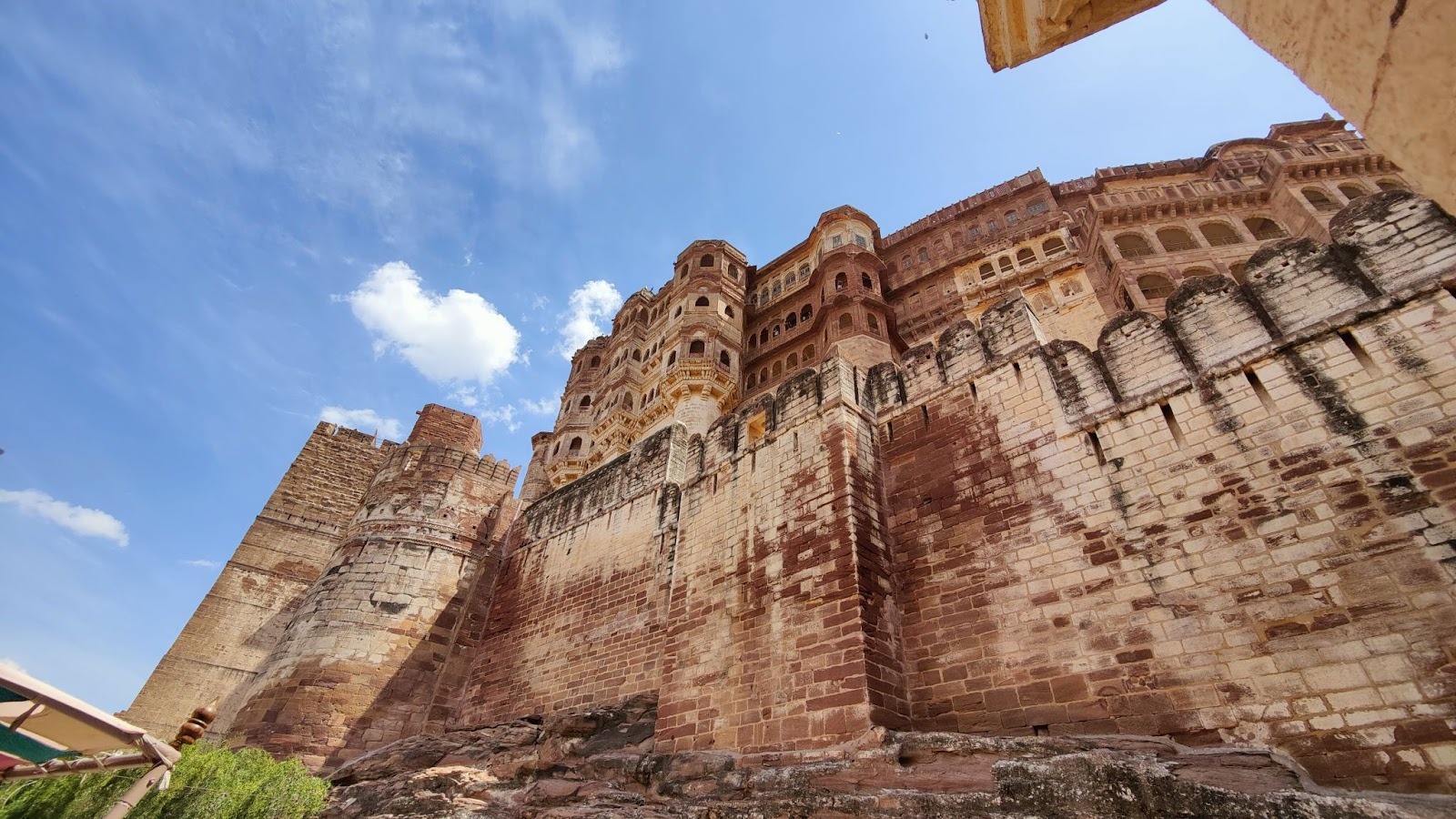
Located adjacent to the park, Mehrangarh Fort is one of the largest and most magnificent forts in India. Its museums, courtyards, and panoramic views of the Blue City make it a must-visit attraction.
2. Jaswant Thada
Just a short distance away, Jaswant Thada is a stunning marble cenotaph known for its intricate architecture, peaceful gardens, and scenic surroundings.
3. Toorji Ka Jhalra
This historic stepwell, built in the 18th century, is one of Jodhpur’s most beautiful heritage structures. The surrounding area is lined with charming cafés and old city streets.
4. Ghanta Ghar (Clock Tower)
Situated in the heart of Jodhpur’s old city, the Clock Tower is a popular landmark and serves as a gateway to the bustling local markets.
5. Sardar Market
Located near the Clock Tower, this vibrant market is famous for handicrafts, spices, textiles, jewelry, and traditional Rajasthani products.
6. Chamunda Mata Temple
Perched on the southern edge of Mehrangarh Fort, this revered temple attracts devotees and offers spectacular views of Jodhpur city.
7. Blue City Walk
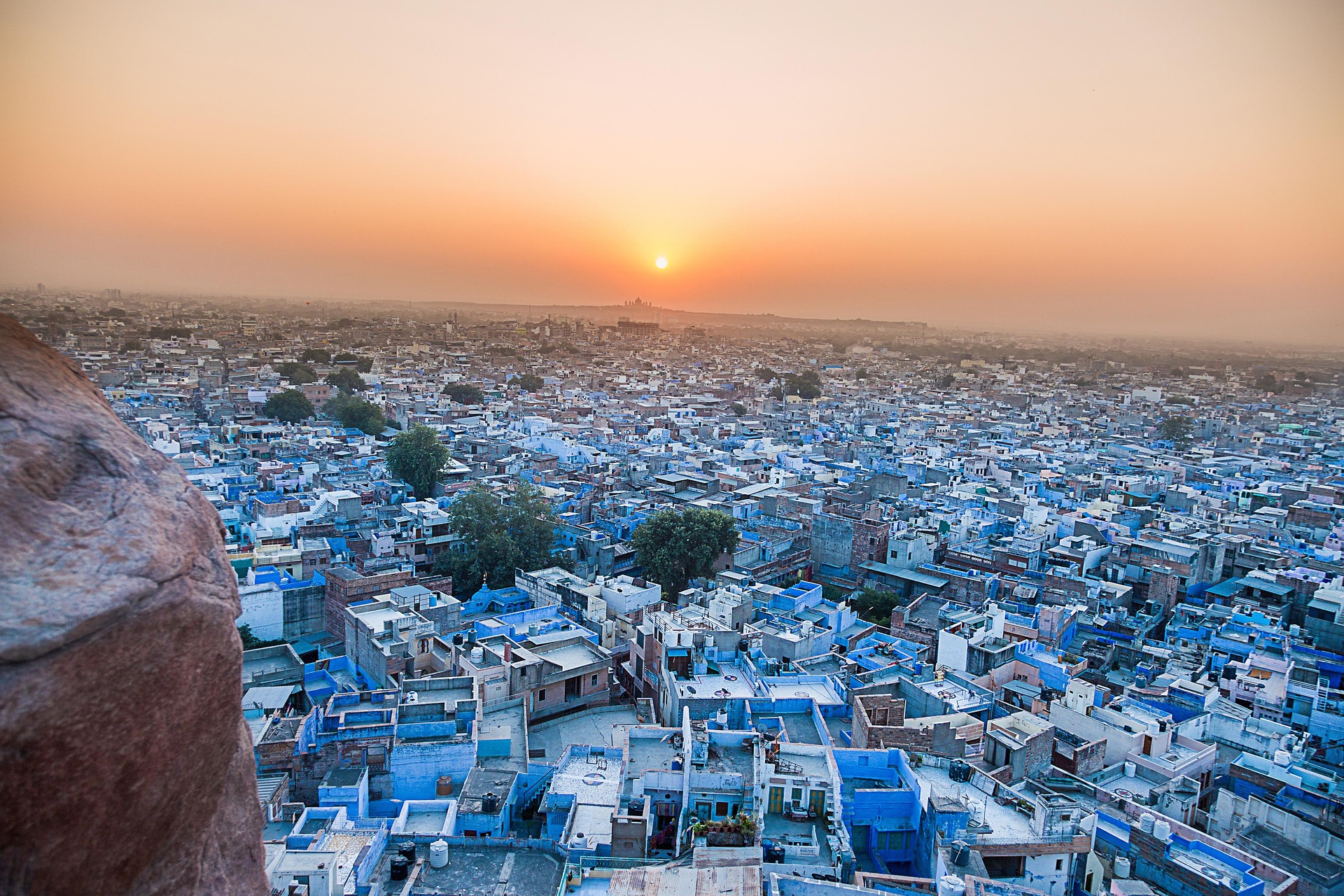
The narrow lanes surrounding the fort and park provide an opportunity to explore Jodhpur’s iconic blue-painted houses, traditional architecture, and local culture.
8. Umaid Bhawan Palace
Approximately 6 km away, Umaid Bhawan Palace is an architectural masterpiece featuring a museum, heritage displays, and beautiful palace grounds.
9. Mandore Gardens
Located about 10 km from the park, Mandore Gardens is known for its royal cenotaphs, temples, landscaped gardens, and historical significance as the former capital of Marwar.
10. Kaylana Lake
A popular spot for nature lovers, Kaylana Lake offers beautiful sunset views, boating opportunities, and a peaceful escape from the city’s hustle and bustle.
Location
FAQs
1. What is Rao Jodha Desert Rock Park famous for?
The park is famous for its ecological restoration project, native desert vegetation, scenic walking trails, and stunning views of Mehrangarh Fort.
2. How much time is needed to explore the park?
Most visitors spend around 1.5 to 3 hours exploring the trails and viewpoints.
3. Is the park suitable for children and families?
Yes, the park is family-friendly and ideal for nature walks, photography, and educational visits.
4. Are guided tours available?
Yes, guided walks led by trained naturalists are available and offer deeper insight into the park’s ecology and history.
5. What is the best season to visit?
Winter, from October to March, is considered the best time due to pleasant weather.
6. Can visitors see wildlife inside the park?
While large wildlife is not found here, visitors can spot birds, reptiles, insects, and small desert animals.
7. Is photography allowed in the park?
Yes, photography is allowed, and the park is particularly popular among landscape and nature photographers.
8. Is the park located near Mehrangarh Fort?
Yes, the park lies right below Mehrangarh Fort and is often visited together with the fort.