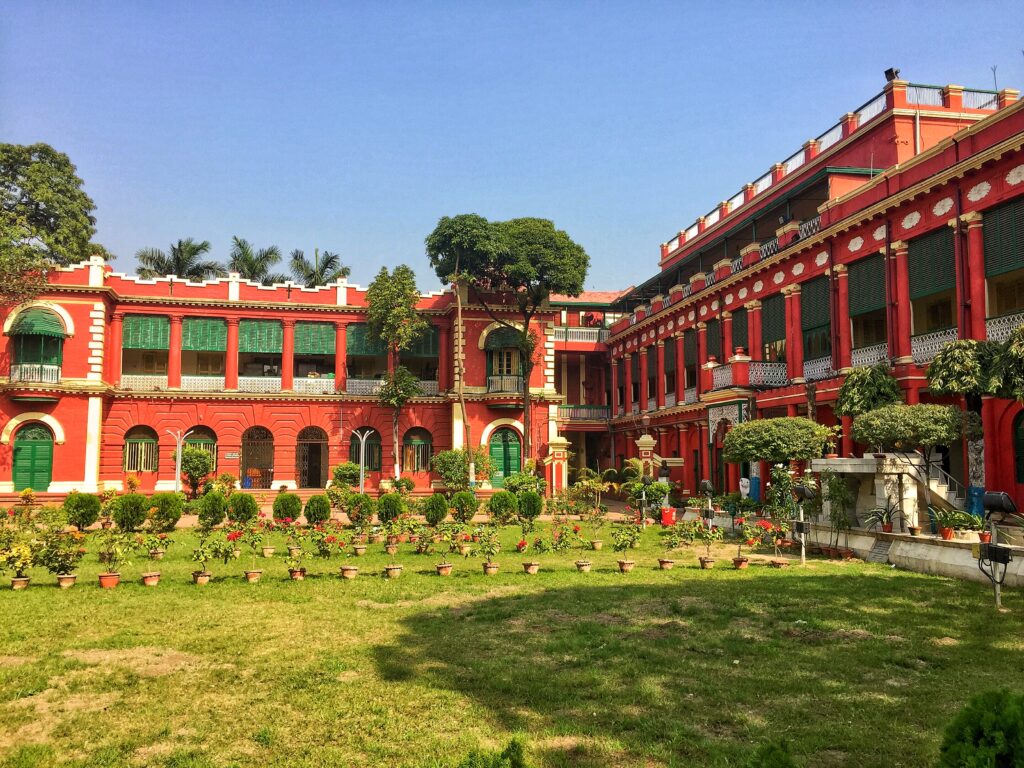
Image Source: Kinjal bose 78
About Rabindra Bharati Museum
Located in the historic Jorasanko area of Kolkata, the Rabindra Bharati Museum is one of the most important cultural institutions dedicated to the life and legacy of Rabindranath Tagore. Set within the famous Jorasanko Thakur Bari, the ancestral residence of the Tagore family, the museum offers visitors a rare glimpse into the intellectual and artistic world that shaped modern Bengali culture and literature.
More than just a museum, it is a living archive of Bengal’s cultural renaissance. The atmosphere of the old mansion, with its heritage architecture, wooden corridors, courtyards, and preserved rooms, transports visitors back to the late 19th and early 20th centuries when the Tagore family became a driving force behind literature, music, art, education, and social reform in India.
Historical Importance of Jorasanko Thakur Bari
The museum is housed inside the ancestral home of the Tagore family, often known as Jorasanko Thakur Bari. This mansion was not only the birthplace of Rabindranath Tagore but also a major center of intellectual and artistic activity during the Bengal Renaissance. Many prominent writers, artists, musicians, and reformers visited this residence, making it one of the most culturally significant homes in Indian history.
Rabindranath Tagore, who became the first Asian Nobel laureate in Literature in 1913 for his work Gitanjali, spent much of his early life here. The museum carefully preserves the rooms associated with him and other members of the Tagore family, allowing visitors to understand the environment that influenced his poetry, songs, philosophy, and educational ideas.
The Tagore family itself contributed immensely to Indian art and society. Members of the family were involved in literature, painting, theatre, music, and social reform movements, and their influence continues to shape Bengali identity even today.
Museum Collections and Exhibits
One of the most fascinating aspects of the museum is its extensive collection of personal belongings, manuscripts, artworks, and historical documents connected to the Tagore family.
Personal Artifacts of Rabindranath Tagore
The museum displays several personal items used by Rabindranath Tagore, including furniture, clothing, writing instruments, photographs, and household objects. These exhibits help visitors connect with the poet on a more personal level and provide insight into his daily life.
Several rooms have been preserved in a manner that reflects the lifestyle of the Tagore family during their time. Walking through these spaces gives visitors a sense of the elegance and intellectual atmosphere that once filled the mansion.
Manuscripts and Rare Literary Works
Literature lovers are especially drawn to the collection of handwritten manuscripts, letters, rare books, and original publications. These documents showcase Tagore’s extraordinary literary genius and reveal how his writings evolved over time.
The museum also preserves correspondence between Tagore and other notable personalities from India and abroad, highlighting his global influence as a poet, thinker, and educator.
Paintings and Artistic Heritage
Apart from literature, the museum also celebrates Bengal’s artistic traditions. Visitors can see paintings created by Rabindranath Tagore and other members of the Tagore family. These artworks reflect the creative experimentation that became a hallmark of the Bengal Renaissance.
The galleries often include portraits, sketches, and traditional Bengali art forms that help visitors appreciate the broader artistic movement associated with the Tagore household.
Cultural Programs and Educational Activities
The museum regularly hosts cultural exhibitions, musical performances, seminars, and literary discussions focused on Bengali heritage. Rabindra Sangeet performances, poetry readings, and art exhibitions are common attractions for visitors and scholars alike.
Educational workshops and guided tours are also organized for students and researchers. These programs provide detailed insights into Tagore’s philosophy, contributions to education, and his impact on Indian nationalism and global literature.
For students of history, literature, and fine arts, the museum serves as an invaluable learning space where culture and education come together.
Architectural Charm of the Museum
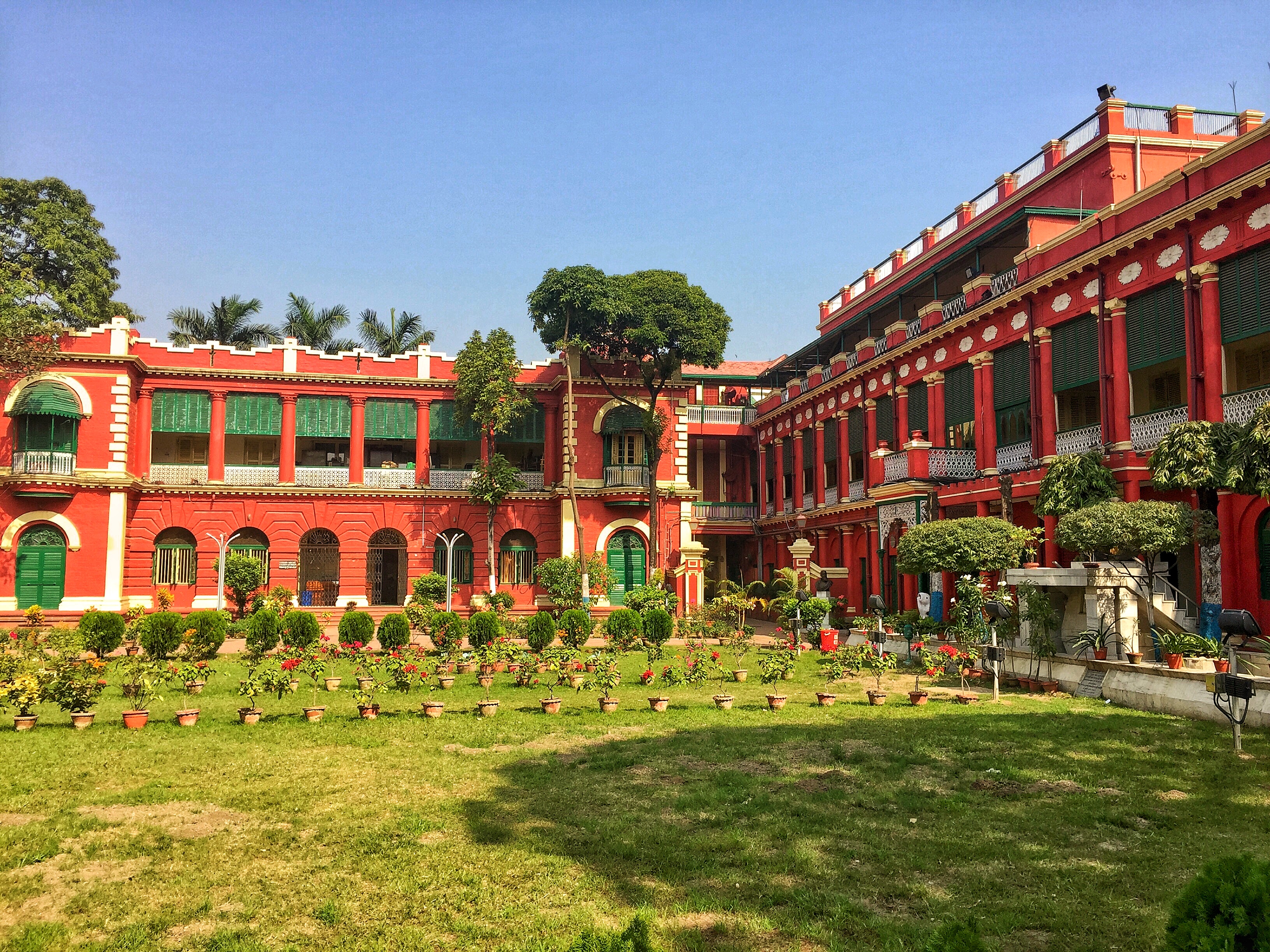
The architecture of Jorasanko Thakur Bari itself is a major attraction. The mansion reflects a blend of traditional Bengali and colonial architectural styles, with spacious verandas, elegant courtyards, decorative balconies, and antique interiors.
The red-brick structure and heritage ambiance create a nostalgic atmosphere that complements the museum’s historical significance. Photography enthusiasts and heritage lovers often admire the intricate detailing and old-world charm of the building.
Nearby Attractions in Kolkata
Since the museum is located in North Kolkata, visitors can easily combine their trip with several other famous attractions in the city.
Some popular nearby places include:
- Indian Museum – One of the oldest and largest museums in India.
- Victoria Memorial – A grand marble monument showcasing colonial history and art.
- Nandan – A cultural and film center popular among art enthusiasts.
- College Street – Famous for bookstores, coffee houses, and intellectual culture.
- Marble Palace – A historic mansion known for its architecture and art collection.
Exploring these places together provides a deeper understanding of Kolkata’s rich cultural and historical heritage.
Best Time to Visit
The best time to visit the Rabindra Bharati Museum is between October and March, when the weather in Kolkata remains cool and comfortable for sightseeing. Winter also coincides with several cultural festivals and events in the city, making the experience even more enjoyable.
Summers in Kolkata can be hot and humid, while the monsoon season often brings heavy rainfall that may affect travel plans.
How to Reach Rabindra Bharati Museum
The museum is located in Jorasanko, North Kolkata, and is well connected by public transport.
- By Metro: The nearest metro station is Kolkata Metro at Shyambazar.
- By Road: Taxis, buses, and auto-rickshaws are easily available from different parts of the city.
- By Rail: Howrah Railway Station and Sealdah Railway Station are the nearest major railway stations.
- By Air: Netaji Subhas Chandra Bose International Airport is located around 15–16 kilometers away from the museum.
Why You Should Visit Rabindra Bharati Museum
A visit to the Rabindra Bharati Museum is not just about seeing historical objects; it is about experiencing the spirit of Bengal’s literary and artistic awakening. Whether you are a lover of literature, history, art, architecture, or culture, the museum offers an enriching journey into the life and philosophy of Rabindranath Tagore and the remarkable Tagore family.
The peaceful ambiance, preserved heritage spaces, and rich cultural collections make it one of Kolkata’s most meaningful heritage attractions.
FAQs
What is Rabindra Bharati Museum famous for?
The museum is famous for preserving the life, works, and legacy of Rabindranath Tagore and the Tagore family. It houses personal belongings, manuscripts, artworks, and historical documents related to Bengal’s cultural renaissance.
Where is Rabindra Bharati Museum located?
The museum is located at Jorasanko Thakur Bari in Kolkata, West Bengal, India.
Who was Rabindranath Tagore?
Rabindranath Tagore was a renowned Indian poet, philosopher, composer, and artist who became the first Asian Nobel laureate in Literature in 1913.
What can visitors see inside the museum?
Visitors can explore Tagore’s personal artifacts, manuscripts, paintings, rare books, photographs, preserved rooms, and cultural exhibitions.
Is photography allowed inside the museum?
Photography rules may vary in different sections of the museum. Visitors should check the latest guidelines at the entrance before taking photographs.
How much time is needed to explore the museum?
Most visitors spend around 1 to 2 hours exploring the museum and its galleries comfortably.
What is the best season to visit the museum?
The winter season, from October to March, is considered the best time to visit due to the pleasant weather in Kolkata.
Is the museum suitable for students and researchers?
Yes, the museum is highly valuable for students, historians, literature enthusiasts, and researchers interested in Bengali culture and Rabindranath Tagore’s contributions.