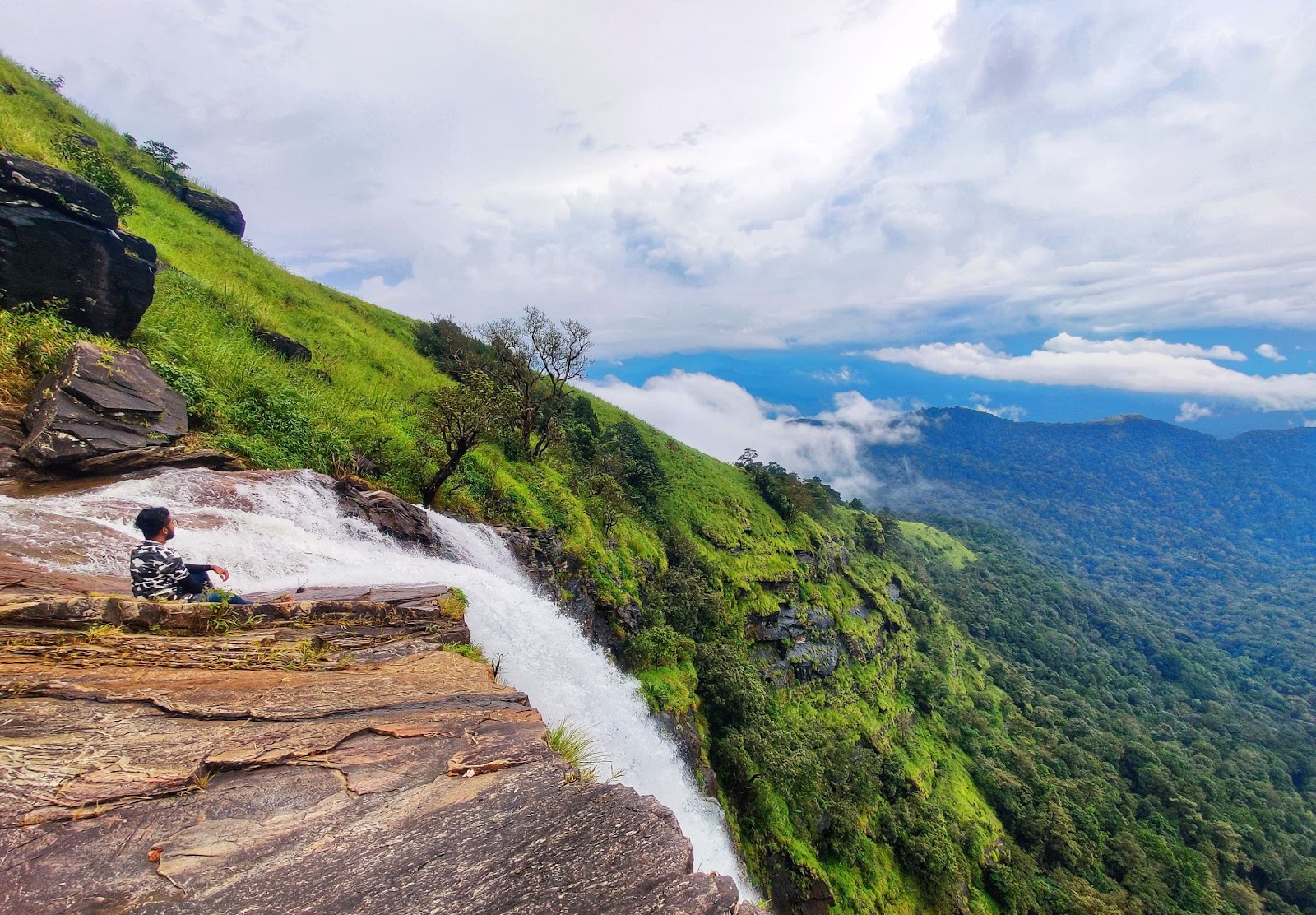
Image Source: Rohan Shet
About Ballalarayana Durga Fort
Perched high in the lush Western Ghats of Karnataka, Ballalarayana Durga Fort is a fascinating hilltop ruin that blends history, adventure, and breathtaking natural beauty. Believed to have been constructed during the reign of the Hoysala Empire by the queen of King Veera Ballala, the fort today stands as a silent reminder of Karnataka’s rich medieval past. Though much of the original structure has weathered away over centuries, the destination continues to attract trekkers, nature lovers, photographers, and adventure seekers from across the country.
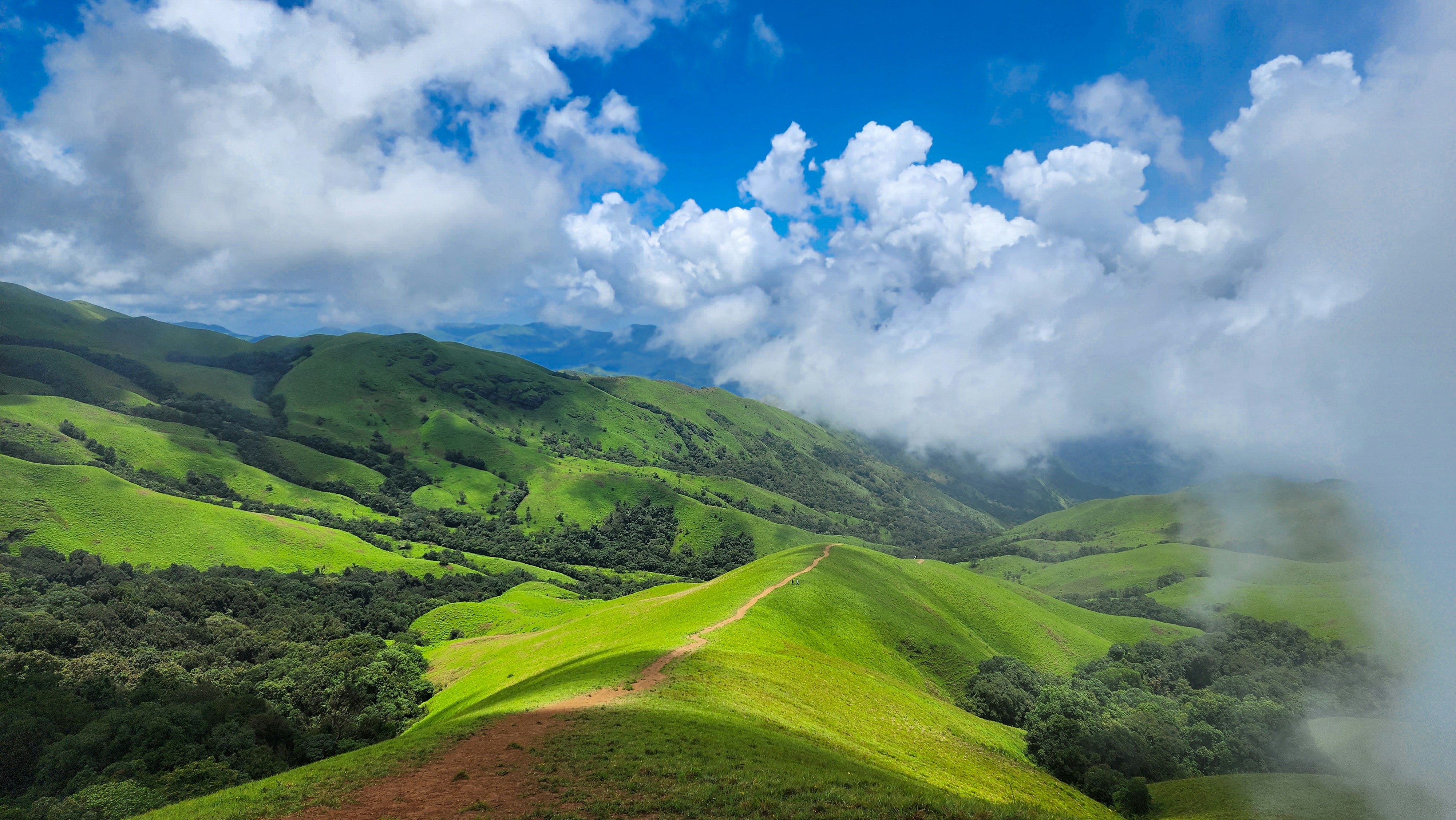
Situated at an altitude of around 1,509 meters above sea level, the fort offers spectacular panoramic views of rolling hills, dense forests, mist-covered valleys, and endless stretches of greenery. The sunrise and sunset views here are especially mesmerizing, as the changing light paints the surrounding landscape in shades of orange, gold, and crimson. During the early morning hours, clouds often drift below the hilltop, creating an unforgettable floating-above-the-world experience.
Trekking to Ballalarayana Durga Fort
The trek to Ballalarayana Durga Fort is one of the most popular trekking routes in the Chikkamagaluru region. The journey usually begins from the ancient Kalabhairaveshwara Temple near Durgadahalli village, located roughly 41 kilometers from Mudigere. From the temple, trekkers enter a scenic trail that winds through thick forests, grasslands, and misty mountain paths of the Western Ghats.
The trek is moderately challenging and generally takes around one and a half to two hours to reach the fort, depending on fitness levels and weather conditions. Along the way, trekkers are rewarded with cool mountain air, chirping birds, hidden streams, and stunning valley views. The trail becomes particularly beautiful during winter and early summer when the weather remains pleasant and visibility is clear.
Adventure enthusiasts often combine this trek with a visit to the famous Bandaje Falls, making it an exciting weekend trekking destination in Karnataka.
A Campsite Surrounded by History and Nature
Although the fort now exists mostly in ruins, its hilltop setting makes it an excellent camping destination. Many trekkers choose to stay overnight near the fort to experience the magical sunrise and the peaceful atmosphere of the mountains after dark. Camping under a sky full of stars, surrounded by ancient stone remains and cool mountain winds, creates a memorable experience for visitors.
The open grasslands around the fort provide enough space for pitching tents, while the elevated location offers uninterrupted views of the valleys below. However, campers should be environmentally responsible and avoid littering, damaging the ruins, or disturbing the natural ecosystem of the area.
Historical Significance of the Fort
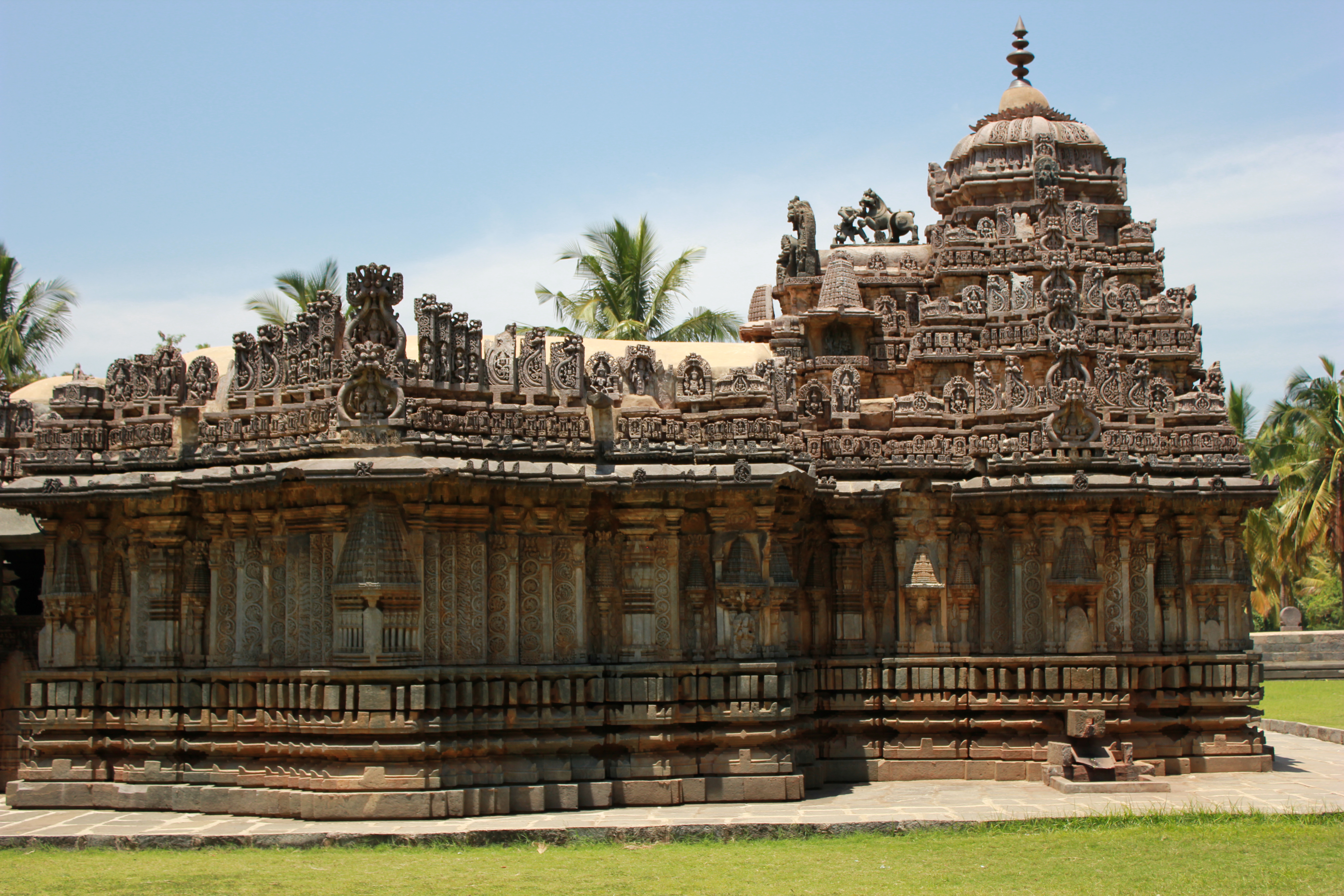
Ballalarayana Durga Fort is associated with the Hoysala dynasty, one of South India’s most influential medieval kingdoms known for its remarkable architecture and temple construction. Though little of the fort survives today, historians believe it once served as a strategic watchtower and defensive structure because of its commanding hilltop location.
The remaining stone walls, pathways, and ruined structures still hint at the fort’s former strength and importance. Standing amidst the ruins, visitors can imagine how the site may once have functioned as a military outpost overlooking the surrounding valleys and trade routes.
Scenic Beauty Around the Fort
One of the biggest attractions of Ballalarayana Durga Fort is the untouched beauty of its surroundings. The region is part of the biodiverse Western Ghats, a UNESCO-recognized ecological hotspot known for its rich flora and fauna. During the monsoon and post-monsoon seasons, the hills turn intensely green, while mist and clouds add a dreamlike charm to the landscape.
Photographers and nature lovers often visit the fort to capture dramatic mountain scenery, rolling grasslands, and panoramic views stretching across the Chikkamagaluru hills. The cool climate and peaceful environment also make it a refreshing escape from crowded city life.
Trekking Tips for Visitors
Visitors planning the trek should wear comfortable trekking shoes with good grip, as some sections of the trail can be steep and uneven. Carrying enough drinking water, snacks, and basic medical supplies is highly recommended because there are no shops or facilities available on the hilltop.
Vehicles can travel up to roughly one kilometer from the temple toward the trekking point, making the initial part of the journey relatively easy. Since mobile network connectivity is weak or unavailable at the top, trekkers should inform family or friends before starting the trek.
It is also advisable to begin the trek early in the morning to avoid trekking after dark and to enjoy better weather conditions.
Best Time to Visit
The ideal time to visit Ballalarayana Durga Fort is between November and May, when the climate remains cool and suitable for trekking. Winter mornings are especially beautiful due to mist-covered valleys and pleasant temperatures.
The monsoon season, although visually stunning, makes the trekking trails extremely slippery and risky. Heavy rainfall can also reduce visibility and make navigation difficult, so trekkers should exercise caution during this period.
Timings
The best time to explore the fort is between 6:00 a.m. and 6:00 p.m. Daylight hours provide safer trekking conditions and clear views of the surrounding hills. Night trekking is generally not recommended because of poor visibility, forest terrain, and limited mobile network coverage.
How to Reach Ballalarayana Durga Fort
Ballalarayana Durga Fort is one of the most scenic trekking destinations in the Western Ghats of Karnataka. Located near Kottigehara and Kalasa in Chikkamagaluru district, the fort sits atop a hill at an elevation of around 1,500 meters and is accessible mainly through a trek. The fort is believed to date back to the Hoysala period and today attracts trekkers, photographers, and nature lovers with its panoramic views and grass-covered ridges.
By Road
The nearest major town is Chikkamagaluru, located about 50–60 km away. Travelers from Bengaluru can drive via Hassan and Chikkamagaluru, covering roughly 280 km in 5–6 hours. The usual route passes through Kottigehara and Sunkasale, from where the trekking trail begins. The roads are generally good, though the last stretch may be rough, especially during the monsoon season.
By Bus
Regular KSRTC and private buses connect Bengaluru, Mangaluru, and Chikkamagaluru with Kottigehara, Kalasa, and Sunkasale. From these towns, visitors can hire a jeep or auto-rickshaw to reach the trek starting point.
By Rail
The nearest railway station is Chikkamagaluru Railway Station. Alternatively, travelers can use the railway stations at Kadur or Hassan and continue by road to the trekking base.
By Air
The closest airport is Mangaluru International Airport, approximately 130 km away. From the airport, taxis and buses are available to Chikkamagaluru and nearby towns.
Nearby Attractions
Bandaje Falls
One of Karnataka’s most spectacular waterfalls, Bandaje Falls is often combined with the Ballalarayana Durga trek. The waterfall plunges dramatically into a deep valley and offers breathtaking views of the surrounding Western Ghats.
Kudremukh National Park
Known for its rolling hills, grasslands, and biodiversity, this national park is a paradise for trekkers and wildlife enthusiasts. The landscapes are among the finest in the Western Ghats.
Mullayanagiri
The highest peak in Karnataka offers panoramic mountain views, pleasant weather, and excellent trekking opportunities throughout much of the year.
Baba Budangiri
A famous mountain range known for its religious significance, caves, scenic viewpoints, and coffee history. It is one of the most visited attractions in Chikkamagaluru.
Jhari Falls
Also called Buttermilk Falls, this picturesque waterfall is surrounded by dense greenery and is especially beautiful during and after the monsoon season.
Kalasa
A charming temple town nestled amidst hills and coffee plantations, Kalasa is known for its spiritual atmosphere and scenic surroundings.
Maps and Location
FAQs
1. Where is Ballalarayana Durga Fort located?
Ballalarayana Durga Fort is located in the Chikkamagaluru district of Karnataka, near Durgadahalli village in the Western Ghats.
2. How difficult is the Ballalarayana Durga trek?
The trek is considered moderately difficult. Beginners with basic fitness can complete it comfortably with proper preparation.
3. How long does the trek take?
The trek usually takes around 1.5 to 2 hours to reach the fort from the starting point near Kalabhairaveshwara Temple.
4. Is camping allowed at the fort?
Yes, camping is popular near the fort. Many trekkers stay overnight to witness the sunrise and enjoy the scenic surroundings.
5. What is the best season to visit?
The best season to visit is from November to May, when the weather is pleasant and trekking conditions are safer.
6. Is the trek safe during monsoon?
Monsoon trekking can be risky because the trails become slippery and visibility may decrease due to heavy fog and rain.
7. Are food and water available near the fort?
No, there are no shops or food stalls near the trekking route or fort. Visitors should carry their own food and drinking water.
8. Can beginners attempt this trek?
Yes, beginners can attempt the trek, but wearing proper trekking shoes and carrying essential supplies is important.
9. Is mobile network available at the top?
Mobile connectivity is weak or unavailable in many parts of the trek and at the summit.
10. What are the nearby attractions?
Nearby attractions include Bandaje Falls