Image Source: Bibhukalyan Acharya
About Chiktan Fort
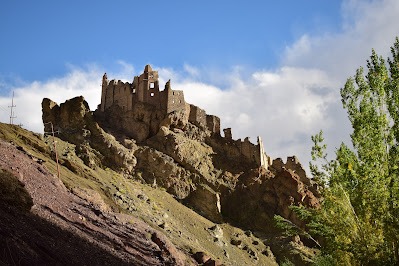
Chiktan Fort, also known as Chiktan Gyalpo Khar, is tucked away in the remote valley of Kargil district in Ladakh. A dramatic and evocative ruin that is largely forgotten by mainstream tourism tells the tales of a once-mighty kingdom.
With its rich history amidst the stark, rugged beauty of the Himalayas, the fort has stood still since the 16th century. A distinctive Tibetan-Balti architecture offers a beautiful, haunted landscape with off-the-beaten-path experiences.
Historical Significance
Built in the 16th century by Prince Tahtah Khan, who hailed from the Baltistan region. He was denied his rightful inheritance so he constructed the fort to establish his own kingdom in the region. For centuries, the fort stood as a political and military hub for local rulers. It is said to have once been a grand structure with more than 60 rooms, multiple stories, and intricately carved wooden balconies.
Architecture
The fort shows strong Tibetan and Persian influences, typical of Ladakh-Baltistan heritage. According to oral traditions, it was constructed without the use of nails, using traditional mud and wood technology that was both earthquake-resistant and thermally effective.
Unfortunately, due to natural decay, neglect, and local conflict during the Dogra conquest in the 19th century, the fort fell into ruin. Even today, its crumbling walls whisper legends of betrayal, ambition, and resilience.
Geography
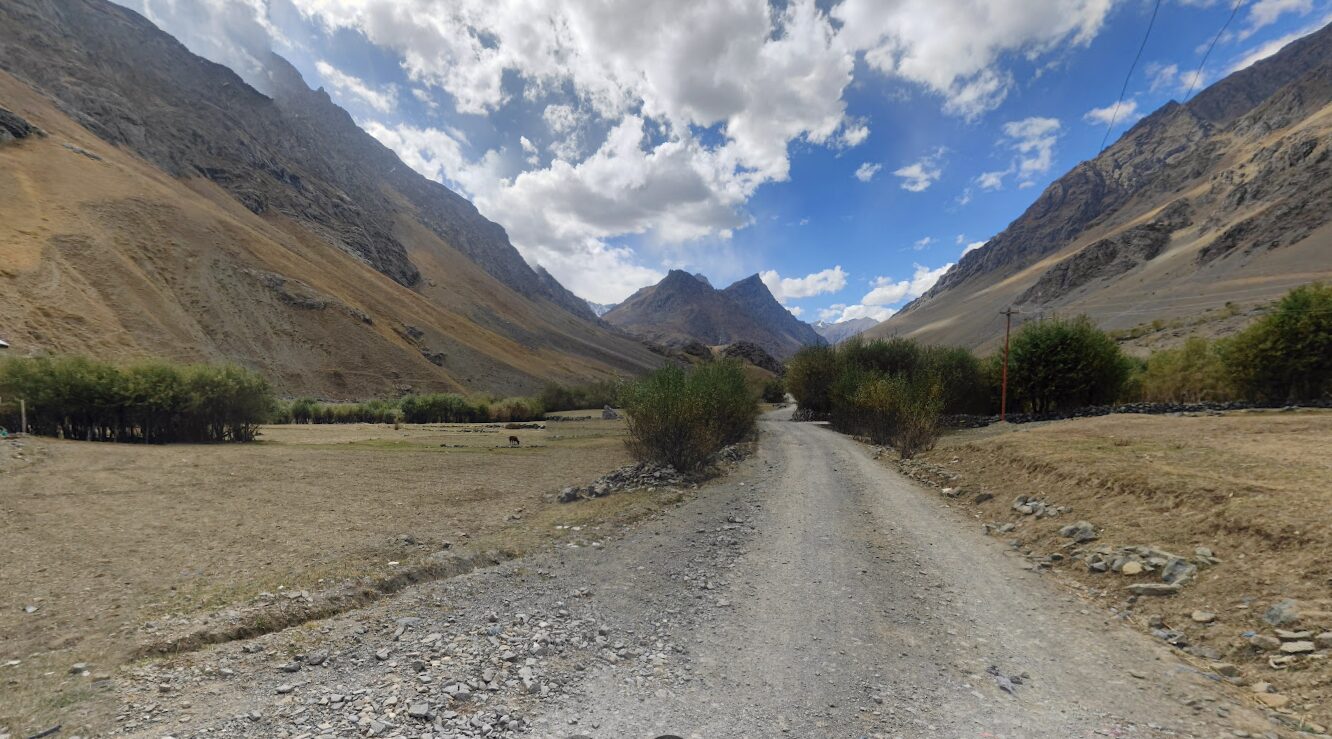
Located in Chiktan village, the fort is surrounded by towering brown cliffs, winding rivers, and the majestic peaks of the Himalayas. The area offers a striking contrast of desert hues and green valleys, especially in summer. At an altitude of approximately 3,000 meters, the setting is serene, untouched, and perfect for introspective exploration and photography.
How to Reach Chiktan Fort
Nearest Town: Chiktan is around 75 km from Kargil, the district headquarters.
From Leh: About 220 km, a 6-7 hour drive via the NH1 (Leh–Srinagar Highway). One must turn towards the Sankoo or Drass region and then take a diversion to Chiktan.
Transport: There are limited public buses, so hiring a private taxi or shared vehicle is recommended.
The final stretch requires a short trek or hike up the hill where the fort sits, so wear appropriate footwear.
Best Time to Visit
The best time to visit Chiktan Fort is from May to September, when the weather is relatively warm and the roads are accessible. Winters are harsh and roads are often blocked due to snow, making travel risky.
Nearby Attractions Around Chiktan Fort
Sankoo Valley
Located a short drive from Chiktan, Sankoo Valley is one of the greenest regions in Ladakh. Surrounded by snow-capped mountains, fertile fields, and willow-lined streams, the valley offers a striking contrast to Ladakh’s rugged high-altitude desert landscape. Visitors can enjoy peaceful village walks, photography, and stunning views of the Nun and Kun peaks.
Shargole Monastery
Built dramatically into a cliff face, Shargole Monastery is among the most picturesque Buddhist monasteries in the Kargil region. The monastery houses an impressive rock-carved statue of Maitreya Buddha and offers panoramic views of the surrounding valley.
Mulbekh Monastery
Famous for its ancient nine-meter-tall rock-carved Maitreya Buddha, Mulbekh Monastery is an important spiritual and historical site. The monastery reflects both Buddhist and Kashmiri artistic influences, making it a fascinating stop for history enthusiasts.
Kargil
The town of Kargil serves as the gateway to many attractions in western Ladakh. Visitors can explore local markets, traditional Ladakhi culture, historic sites, and scenic viewpoints while learning about the region’s rich heritage.
Panikhar Village
Situated in the beautiful Suru Valley, Panikhar is known for its breathtaking mountain scenery and traditional lifestyle. The village provides excellent views of the majestic Nun-Kun massif and serves as a base for trekking and mountaineering expeditions.
Suru Valley
One of the most scenic valleys in Ladakh, Suru Valley is renowned for its lush meadows, glaciers, and towering peaks. The valley is particularly attractive during summer when fields are green and wildflowers bloom across the landscape.
Rangdum Monastery
Located further along the Suru Valley route, Rangdum Monastery stands on a hilltop surrounded by dramatic mountains. It offers visitors a glimpse into the region’s Buddhist heritage and spectacular Himalayan scenery.
Google Maps
FAQs
1. Where is Chiktan Fort located?
Chiktan Fort is located in Chiktan Village in the Kargil district of Ladakh, India, approximately 75 kilometers from Kargil town.
2. Who built Chiktan Fort?
The fort is believed to have been built in the 16th century by local ruler Tsering Malik, who incorporated architectural influences from Kashmir, Baltistan, and Central Asia.
3. Why is Chiktan Fort famous?
The fort is famous for its historical significance, unique architecture, and its role as a former royal residence in the western Himalayan region.
4. Is Chiktan Fort still intact?
Much of the fort is now in ruins due to natural deterioration and lack of maintenance, but its remaining structures continue to showcase its former grandeur.
5. Can tourists visit Chiktan Fort?
Yes, visitors can explore the fort ruins and surrounding village. The site is accessible by road and attracts history enthusiasts and photographers.
6. What is the best time to visit Chiktan Fort?
The best time to visit is from May to September when weather conditions are pleasant and roads in Ladakh are generally open.
7. How much time is needed to explore Chiktan Fort?
Most visitors spend one to two hours exploring the ruins, taking photographs, and enjoying views of the surrounding valley.
8. Is there an entry fee for Chiktan Fort?
Generally, there is no entry fee, but visitors should verify local regulations before their trip.
9. What makes the architecture of Chiktan Fort unique?
The fort reflects a blend of Ladakhi, Kashmiri, Balti, and Central Asian architectural styles, highlighting the region’s historical trade and cultural connections.
10. Can Chiktan Fort be combined with other attractions in Kargil?
Yes, travelers often combine a visit to Chiktan Fort with Sankoo Valley, Shargole Monastery, Mulbekh Monastery, and other attractions in the Kargil region.