Image Source: ASHARUL
About Nishat Bagh
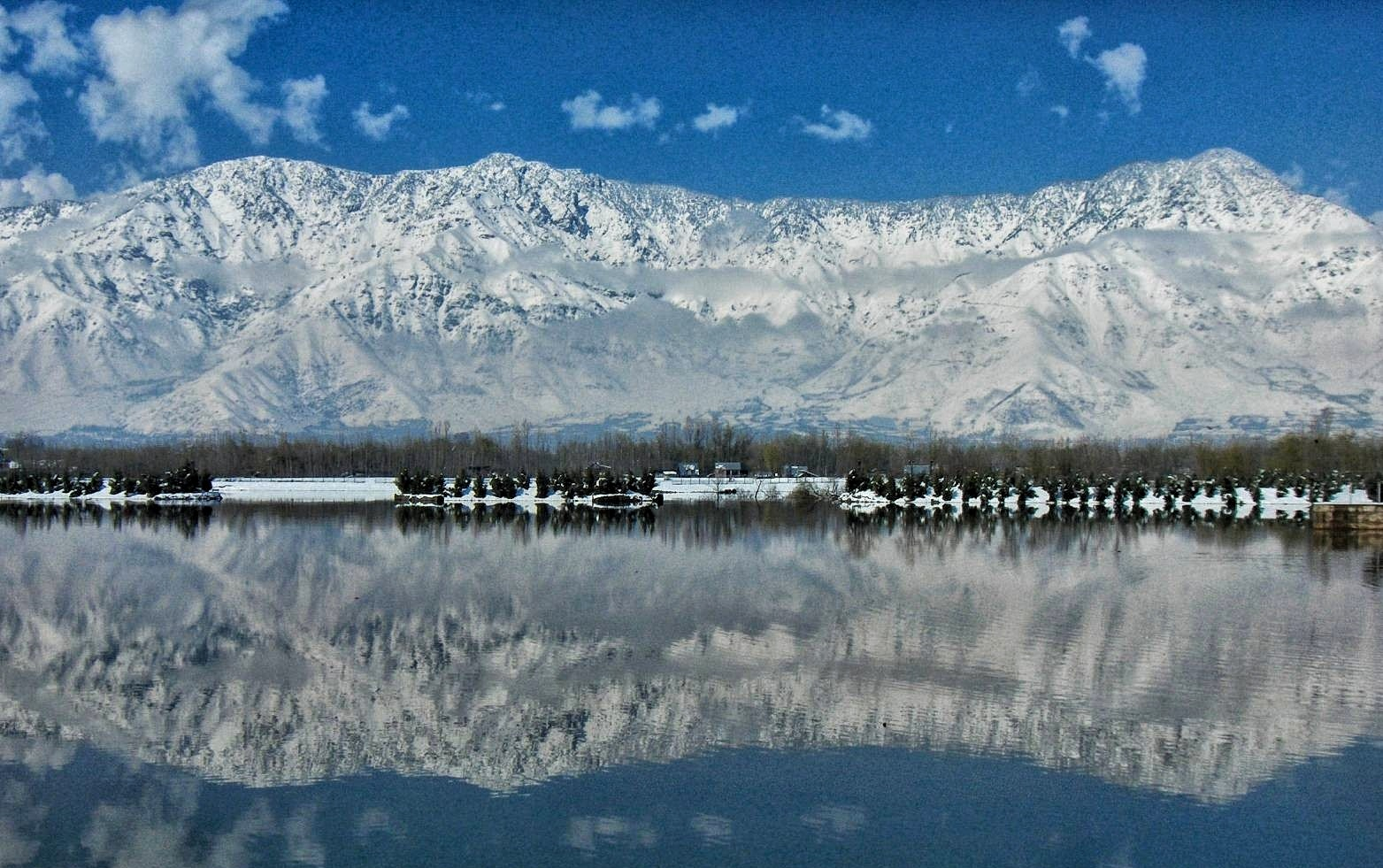
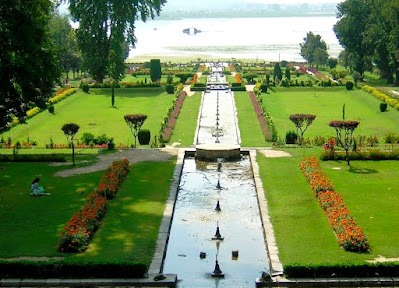
Nestled along the eastern shores of the famous Dal Lake, Nishat Bagh is one of the most magnificent Mughal gardens in Kashmir. Often referred to as the “Garden of Joy” or “Garden of Delight,” this historic garden beautifully combines Persian-style landscaping with the breathtaking natural beauty of the Kashmir Valley. Surrounded by the majestic Zabarwan Range, the garden offers mesmerizing views of the lake, snow-covered peaks, and the lush greenery that Kashmir is famous for.
Nishat Bagh is considered the second-largest Mughal garden in Kashmir after Shalimar Bagh. It was built in 1633 AD by Asif Khan, the brother of Mughal Empress Noor Jahan. Even centuries later, the garden continues to attract visitors with its elegant terraces, flowing water channels, colorful flower beds, and timeless Mughal charm.
Historical Significance of Nishat Bagh
Nishat Bagh holds an important place in the history of Mughal architecture and garden design in Kashmir. Unlike Shalimar Bagh, which was built by the Mughal emperor himself, Nishat Bagh was created as a private garden by Asif Khan. According to popular accounts, its extraordinary beauty reportedly sparked a brief moment of jealousy in Emperor Shah Jahan, who questioned why such a magnificent garden had not been built for the royal court.
The garden reflects the classic Persian concept of the charbagh, or four-part garden layout, but with a unique Kashmiri adaptation. Instead of a flat layout commonly seen in Persian gardens, Nishat Bagh was designed on a series of terraces that descend gracefully toward Dal Lake. This multi-level arrangement creates the illusion of cascading greenery flowing from the mountains down to the water.
Over the centuries, Nishat Bagh has remained a symbol of Mughal sophistication, artistic vision, and Kashmir’s deep cultural heritage. Today, it stands not only as a tourist attraction but also as a reminder of the valley’s rich architectural and historical legacy.
Garden Layout and Mughal Architecture
One of the most fascinating aspects of Nishat Bagh is its carefully planned layout. The garden is spread across 12 terraces, which are believed to symbolize the 12 zodiac signs. These terraces rise gradually from the edge of Dal Lake toward the foothills of the Zabarwan Mountains, creating stunning layered views from every level.
At the heart of the garden flows a central water channel, locally known as a chadar. Fed by natural mountain springs, the water runs through a series of cascading fountains, pools, and stone-lined streams that produce a soothing sound throughout the garden. This flowing water system was an essential feature of Mughal gardens, symbolizing purity, life, and paradise.
The garden is adorned with majestic Chinar trees that provide shade and create a royal atmosphere, especially during autumn when their leaves turn brilliant shades of red, orange, and gold. Flower beds filled with seasonal blooms add vibrant color to the landscape, while rows of cypress trees enhance the symmetry of the design.
Several traditional Mughal architectural elements can still be seen within the garden, including elegant baradaris or pavilions where nobles once relaxed and enjoyed the cool breeze from the lake. Stone pathways, historic masonry, carved water outlets, and old benches further preserve the original Mughal character of the site.
Scenic Beauty and Atmosphere
Nishat Bagh is not just a historical monument; it is also one of the most peaceful and picturesque spots in Srinagar. The garden offers panoramic views of Dal Lake on one side and the towering Zabarwan Mountains on the other. During spring and summer, the garden bursts into color with blooming flowers and fresh greenery, while autumn transforms it into a golden paradise filled with fiery Chinar leaves.
The atmosphere here is calm and refreshing, making it a favorite destination for nature lovers, photographers, families, and couples. Early mornings are especially serene, with soft sunlight illuminating the terraces and gentle mist hovering over the lake. In the evenings, the sunset over Dal Lake creates a magical backdrop that makes the garden even more enchanting.
Things to Do at Nishat Bagh
Visitors can spend hours exploring the beautifully designed terraces and pathways of the garden. Photography is one of the most popular activities here, as every corner offers postcard-worthy scenery. The reflections of the mountains and fountains, combined with Mughal architecture, create incredible photo opportunities.
Many visitors also enjoy relaxing under the shade of ancient Chinar trees while taking in the cool breeze from Dal Lake. The garden is ideal for peaceful walks, picnics, and enjoying the natural beauty of Kashmir at a slow pace.
Because of its location near other major attractions, Nishat Bagh is often included in sightseeing tours around Srinagar. Nearby places such as Shalimar Bagh, the Indira Gandhi Memorial Tulip Garden, and Hazratbal Shrine can easily be visited on the same day.
How to Reach Nishat Bagh
Nishat Bagh is located around 11 kilometers from the center of Srinagar and is well connected by road. Visitors can easily hire taxis, auto-rickshaws, or rent bikes to reach the garden. The drive along Dal Lake itself is incredibly scenic and adds to the overall experience.
Nearby Attractions
- Shalimar Bagh – Around 6 km away.
- Hazratbal Shrine – Around 8 km away.
- Indira Gandhi Memorial Tulip Garden – Around 5 km away.
Nearby Attractions to Nishat Bagh
Situated on the eastern banks of the world-famous Dal Lake, Nishat Bagh is one of the most beautiful Mughal gardens in Kashmir. Built in 1633 by Asif Khan, the brother of Empress Noor Jahan, the garden is often called the “Garden of Bliss.” With its terraced lawns, cascading fountains, majestic chinar trees, and breathtaking views of Dal Lake and the Zabarwan Range, Nishat Bagh remains one of Srinagar’s most visited attractions.
Its location makes it an excellent base for exploring many of Kashmir’s famous gardens, lakes, shrines, and cultural landmarks.
Shalimar Bagh
Located just a few kilometers from Nishat Bagh, Shalimar Bagh is the largest and most famous Mughal garden in Kashmir. Built by Emperor Jahangir for Noor Jahan, the garden is renowned for its elegant terraces, fountains, and Mughal architecture.
Dal Lake
The iconic Dal Lake lies directly in front of Nishat Bagh. Visitors can enjoy shikara rides, floating markets, houseboats, and spectacular sunset views over the lake.
Chashme Shahi
Chashme Shahi is a beautiful Mughal garden famous for its natural spring, terraced layout, and panoramic views of Srinagar and Dal Lake.
Pari Mahal
Perched on the Zabarwan Hills, Pari Mahal is a historic terraced garden and monument overlooking Dal Lake. It offers some of the finest panoramic views in Srinagar.
Indira Gandhi Memorial Tulip Garden
Located at the foothills of the Zabarwan Range, Indira Gandhi Memorial Tulip Garden is Asia’s largest tulip garden. During spring, millions of tulips bloom here, creating a spectacular display of colors.
Botanical Garden Srinagar
Adjacent to the Tulip Garden, Botanical Garden Srinagar features a diverse collection of plants, flowers, and landscaped gardens, making it a favorite destination for nature enthusiasts.
Hazratbal Shrine
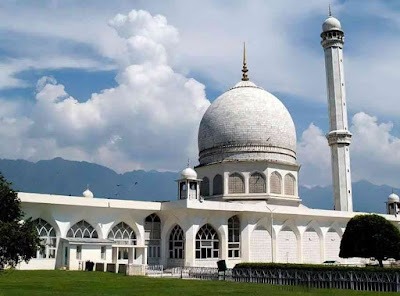
Situated on the northern shore of Dal Lake, Hazratbal Shrine is one of the most revered religious sites in Kashmir. The shrine is known for its stunning white marble architecture and serene lakeside setting.
Shankaracharya Temple
Perched atop Shankaracharya Hill, Shankaracharya Temple is one of the oldest temples in Kashmir. The site offers breathtaking views of Srinagar, Dal Lake, and the surrounding mountains.
Nigeen Lake
Located close to Dal Lake, Nigeen Lake is known for its tranquil atmosphere, houseboats, and scenic beauty. It is often considered a quieter alternative to Dal Lake.
Dachigam National Park
About 22 kilometers from Nishat Bagh, Dachigam National Park is famous for being the last natural habitat of the endangered Kashmir stag (Hangul). The park is also home to Himalayan black bears, leopards, and diverse birdlife.
Hari Parbat Fort
Hari Parbat Fort is a historic fort overlooking Srinagar. The hill is also home to important Hindu, Sikh, and Muslim religious sites.
Jama Masjid Srinagar
Located in the old city, Jama Masjid Srinagar is renowned for its unique Indo-Saracenic architecture and magnificent wooden pillars.
Floating Market
The famous floating vegetable market on Dal Lake offers a unique cultural experience where traders sell vegetables and flowers from traditional wooden boats.
Zabarwan Range
The scenic Zabarwan Range forms a stunning backdrop to Nishat Bagh and provides opportunities for nature walks, photography, and sightseeing.
Best Time to Visit Nishat Bagh
The best time to visit Nishat Bagh is from April to October when the weather remains pleasant and the garden is in full bloom. Spring and summer bring colorful flowers, lush lawns, and clear views of the surrounding mountains.
Autumn, especially during October, is considered one of the most beautiful times to visit. The Chinar trees transform into shades of red, gold, and amber, giving the garden a dreamlike appearance that attracts photographers from across the country.
Early mornings and late afternoons are ideal for visiting, as the lighting is softer, the atmosphere is quieter, and the scenery looks especially beautiful during these hours.
Google Maps
FAQs
1. Why is Nishat Bagh famous?
Nishat Bagh is famous for its stunning Mughal architecture, terraced garden design, beautiful fountains, and breathtaking views of Dal Lake and the Zabarwan Mountains.
2. Who built Nishat Bagh?
Nishat Bagh was built in 1633 AD by Asif Khan, the brother of Mughal Empress Noor Jahan.
3. What does the name Nishat Bagh mean?
The name Nishat Bagh translates to “Garden of Joy” or “Garden of Delight.”
4. How many terraces are there in Nishat Bagh?
The garden is designed with 12 terraces, which are believed to symbolize the 12 zodiac signs.
5. What is the best season to visit Nishat Bagh?
Spring and autumn are considered the best seasons to visit. Spring offers blooming flowers, while autumn showcases the famous golden-red Chinar trees.
6. Is Nishat Bagh suitable for families and photography?
Yes, Nishat Bagh is perfect for families, nature lovers, and photographers due to its peaceful environment and scenic beauty.
7. Can Nishat Bagh be visited along with other attractions in Srinagar?
Yes, visitors often combine a trip to Nishat Bagh with nearby attractions like Shalimar Bagh, the Tulip Garden, and Hazratbal Shrine.