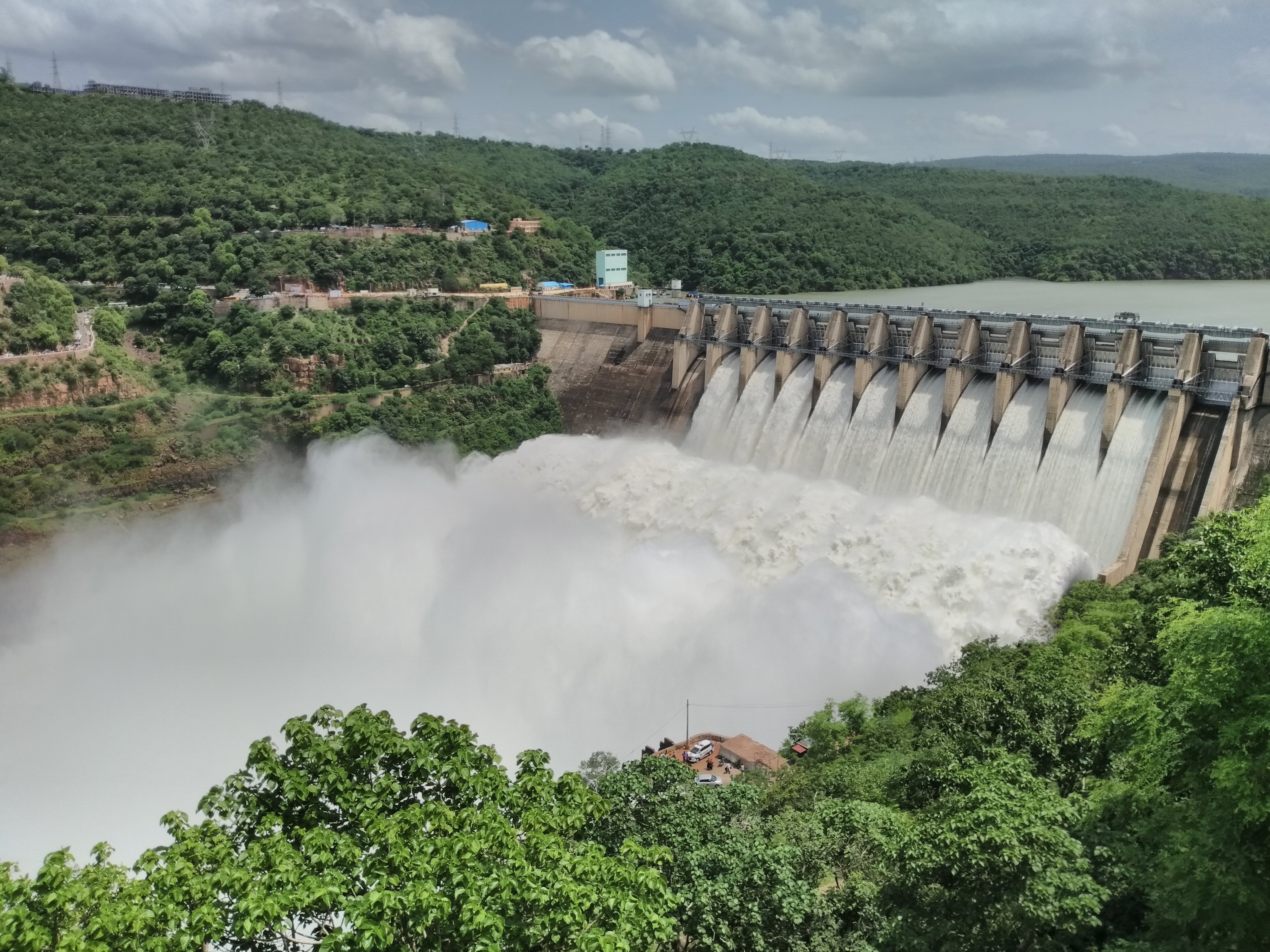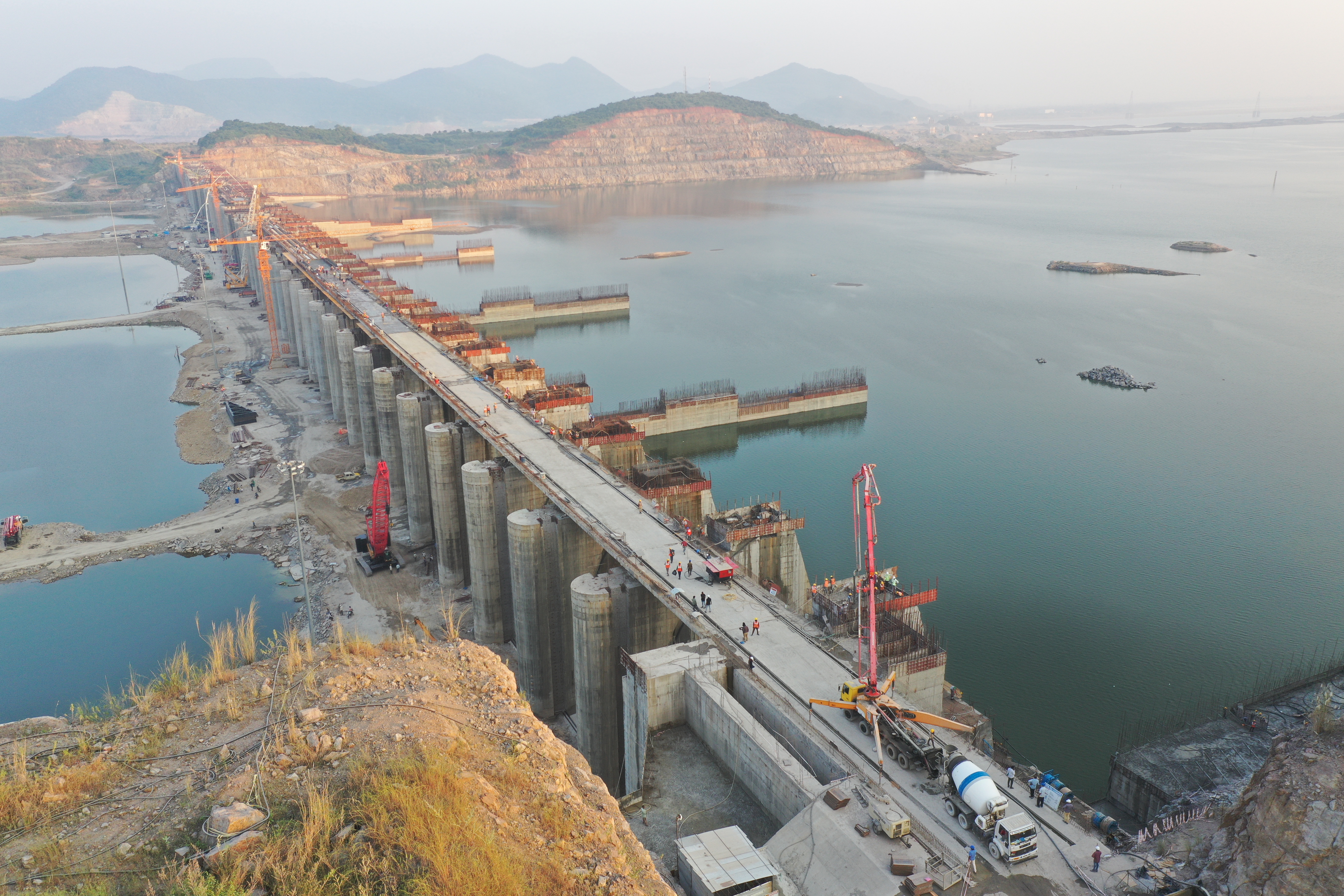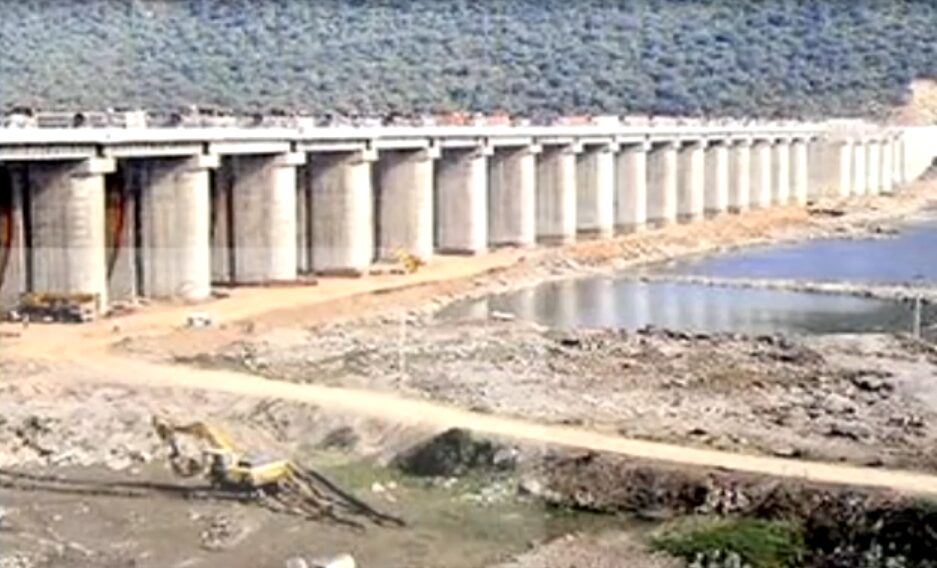
Image Source: Sakshi TV
About Pulichintala Project
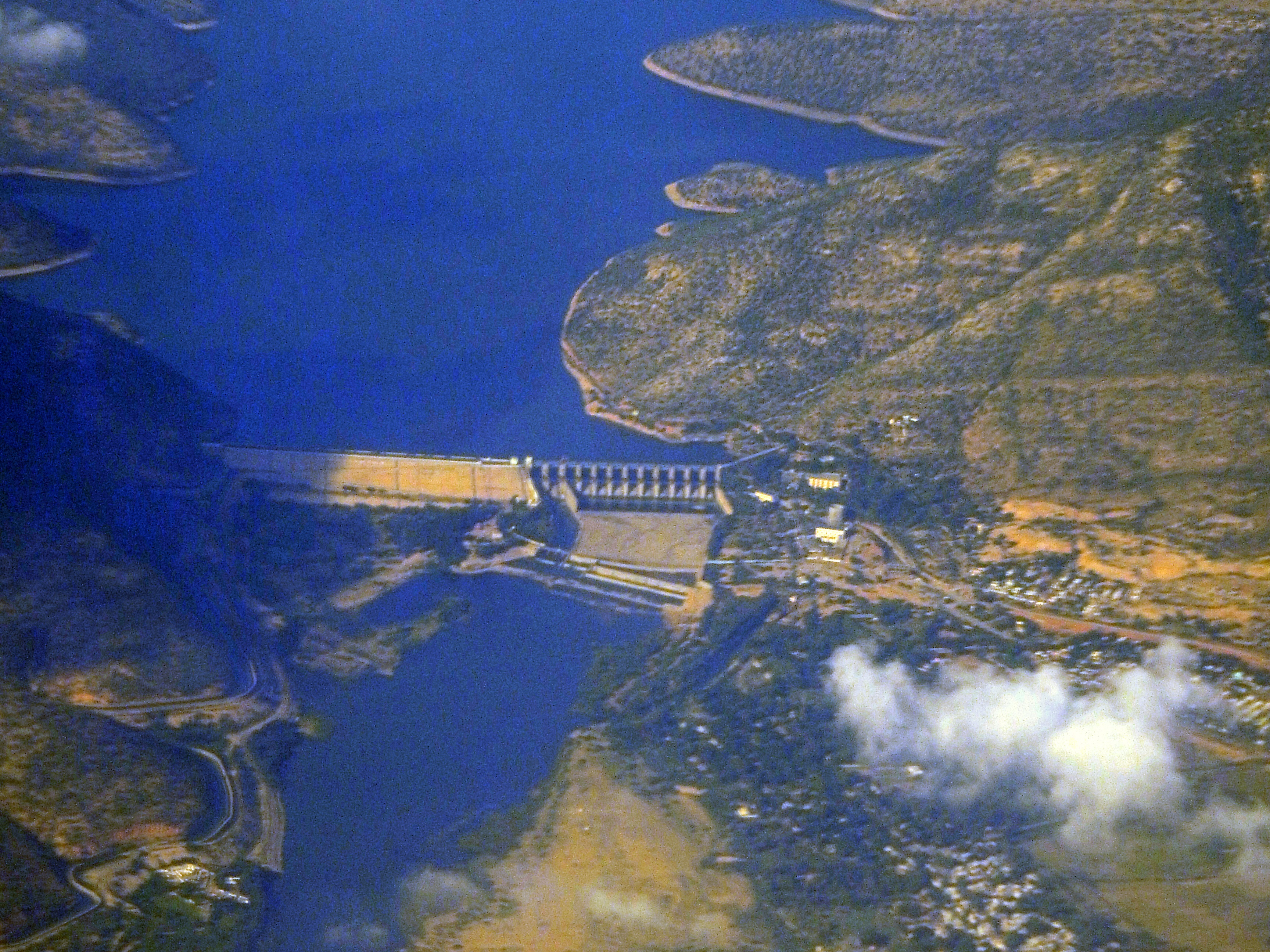
The Pulichintala Project, also known as the K.L. Rao Sagar Project, is a major multipurpose irrigation and hydroelectric project constructed across the Krishna River in Guntur district, Andhra Pradesh.
Named after Dr. K.L. Rao, a renowned engineer and irrigation expert from Andhra Pradesh, this dam is an essential part of the Krishna Delta irrigation system, benefiting agriculture, power generation, and flood control.
History and Construction
The Pulichintala Project was conceived as a balancing reservoir for the Krishna River system. Its construction began in the early 2000s with the purpose of storing excess water and regulating its release to stabilize irrigation in Krishna and Guntur districts. The project was inaugurated in 2014 and has since become a crucial water management system for the state.
Structure and Capacity
Type of Dam: Concrete gravity dam.
River: Built across the Krishna River between Pulichintala village (Guntur district) and Nalgonda district (Telangana).
Storage Capacity: Designed to store around 45.77 TMC (thousand million cubic feet) of water.
Length & Height: The dam stretches nearly 2.9 km with a height of 42 meters.
Power Generation: Houses a hydroelectric power station with an installed capacity of 120 MW, supplying renewable energy to the grid.
Irrigation Benefits
The Pulichintala Dam plays a key role in ensuring water supply for the Krishna Delta System, stabilizing irrigation for nearly 13 lakh acres of farmland in Krishna, Guntur, West Godavari, and Prakasam districts.
Farmers cultivating paddy, sugarcane, cotton, pulses, and chillies depend heavily on this water source. The dam also supports aquaculture and sustains the livelihoods of riverine communities.
Flood Control and Water Regulation
Being a balancing reservoir, the Pulichintala Project regulates heavy monsoon flows of the Krishna River and reduces the risk of floods in downstream regions, especially near Prakasam Barrage at Vijayawada. This controlled release of water ensures safety while maintaining year-round irrigation requirements.
Tourism and Scenic Value
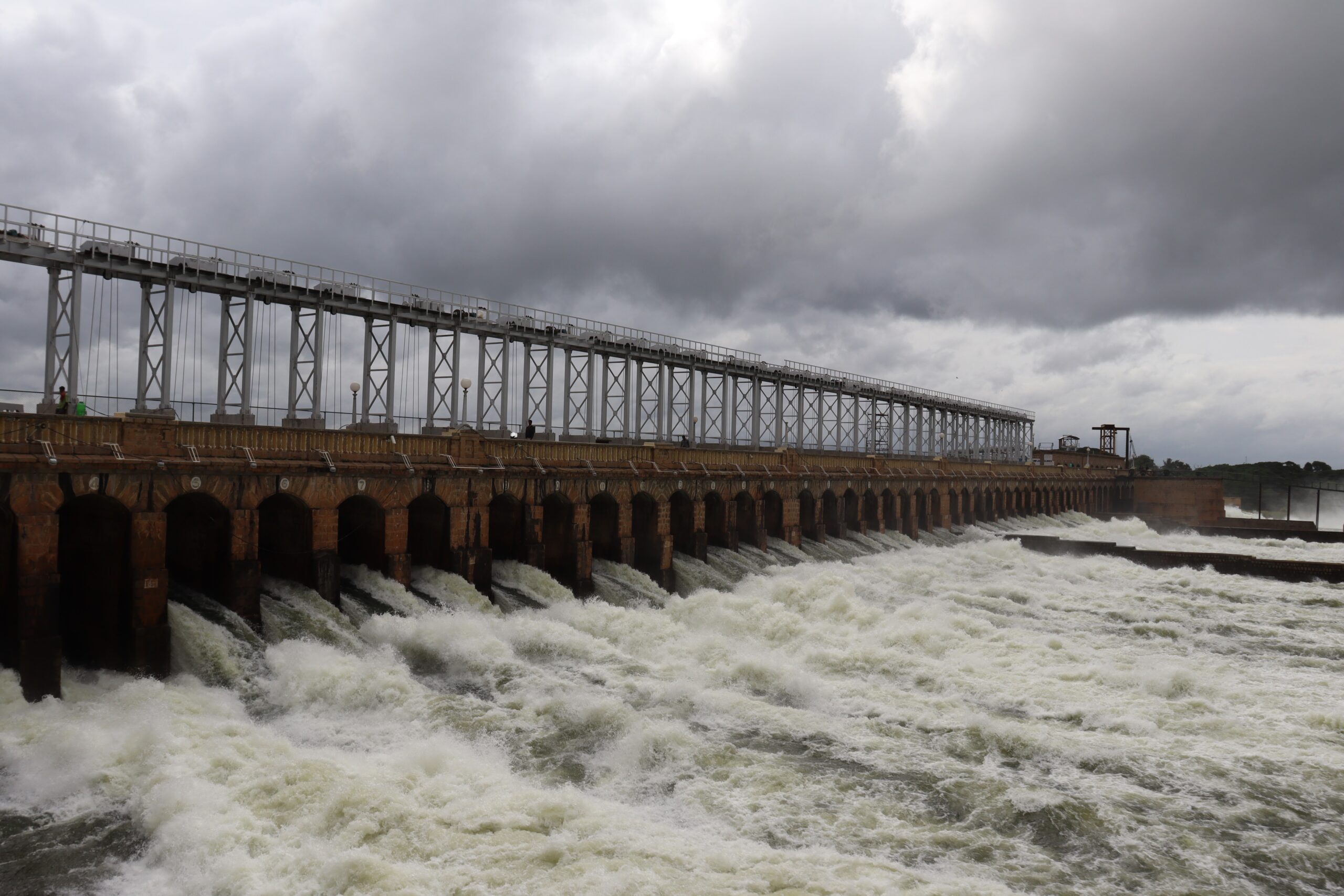
Apart from its engineering importance, the dam site attracts visitors for its picturesque views of the Krishna River, especially during the monsoon season when the gates are opened.
.The surrounding lush green fields, rocky riverbanks, and backwaters add to its scenic charm. Local travelers from Vijayawada, Guntur, and Nalgonda often visit Pulichintala for day trips and photography.
Connectivity
By Road: The project is about 50 km from Guntur and 80 km from Vijayawada, connected by well-maintained roads.
By Rail: The nearest railway station is Sattenapalli (35 km), while Vijayawada Junction, a major railway hub, is also close by.
By Air: The nearest airport is Vijayawada International Airport (90 km), which connects to major Indian cities.
Nearby Attractions of Pulichintala Project
The Pulichintala Project, officially known as the K.L. Rao Sagar Pulichintala Project, is a major multipurpose dam and reservoir built across the Krishna River in Andhra Pradesh. Surrounded by riverine landscapes, hills, temples, and historical sites, the project serves as a convenient base for exploring several attractions in the Krishna and Palnadu regions.
1. Nagarjuna Sagar Dam
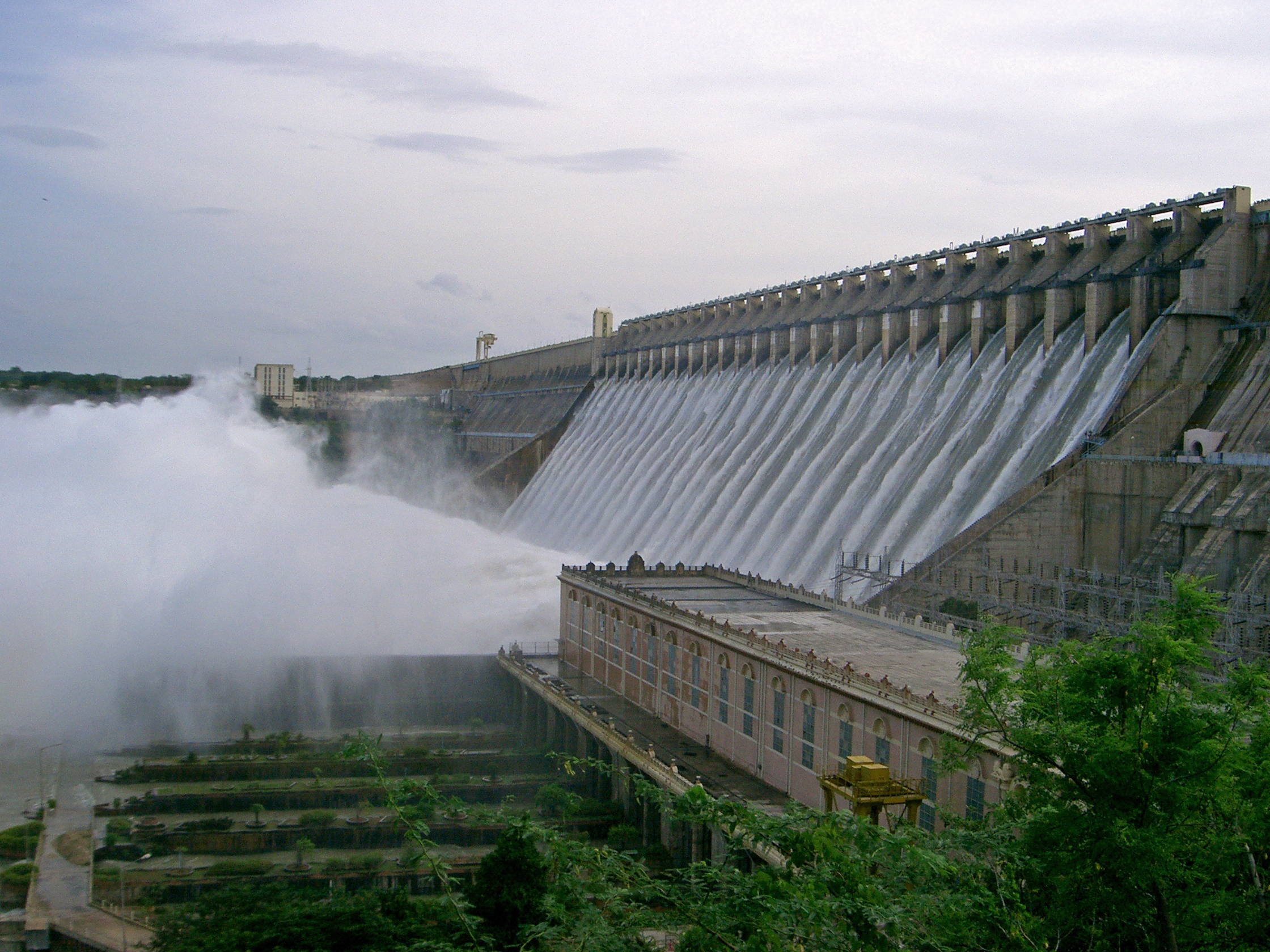
One of the largest masonry dams in the world, Nagarjuna Sagar Dam is located upstream of Pulichintala. The massive reservoir, scenic viewpoints, and engineering significance make it a popular tourist destination.
2. Nagarjunakonda
Nagarjunakonda is an island museum situated in the Nagarjuna Sagar Reservoir. It preserves the remains of an ancient Buddhist civilization and houses relics, stupas, monasteries, and sculptures dating back to the Ikshvaku period.
3. Ethipothala Waterfalls
Ethipothala Waterfalls is a spectacular waterfall where water cascades from a height of about 70 feet. The site is known for its scenic beauty, crocodile breeding center, and tranquil surroundings.
4. Amaravati
The historic town of Amaravati is famous for its rich Buddhist heritage and ancient monuments. Visitors can explore the Amaravati Stupa remains, archaeological museum, and temples along the Krishna River.
5. Amaralingeswara Swamy Temple
Located in Amaravati, Amaralingeswara Swamy Temple is one of the revered Pancharama Kshetras dedicated to Lord Shiva. The temple attracts pilgrims throughout the year.
6. Undavalli Caves
Undavalli Caves are renowned rock-cut cave temples dating back to the 4th–5th centuries. The caves feature intricate carvings and a massive reclining Vishnu sculpture.
7. Bhavani Island
Situated on the Krishna River near Vijayawada, Bhavani Island is one of the largest river islands in India. It offers boating, water sports, nature walks, and family-friendly recreational activities.
8. Kanaka Durga Temple
Kanaka Durga Temple is among the most important Hindu pilgrimage centers in Andhra Pradesh. Perched atop Indrakeeladri Hill, it offers panoramic views of the Krishna River.
9. Kondapalli Fort
Kondapalli Fort is a historic hill fort built during the medieval period. The fort is known for its gateways, bastions, and scenic surroundings.
10. Kondapalli Village
The village of Kondapalli is famous for its traditional handcrafted wooden toys, a centuries-old art form recognized throughout India.
Google Maps
FAQs
1. What is the Pulichintala Project?
The Pulichintala Project, officially known as the K.L. Rao Sagar Pulichintala Project, is a multipurpose dam and reservoir built across the Krishna River. It was developed to support irrigation, water storage, hydroelectric power generation, and water management in Andhra Pradesh.
2. Where is the Pulichintala Project located?
The project is located near Pulichintala village in the Palnadu region of Andhra Pradesh, between the Nagarjuna Sagar Dam and Prakasam Barrage on the Krishna River.
3. Why is the Pulichintala Project important?
The project helps regulate Krishna River water flow, provides irrigation to agricultural lands, generates hydroelectric power, and improves water availability for various districts in Andhra Pradesh.
4. What is the best time to visit the Pulichintala Project?
The best time to visit is from October to February when the weather is pleasant. The monsoon and post-monsoon months are also attractive because the reservoir is usually full and the surrounding landscape becomes lush and green.
5. Is there an entry fee to visit the Pulichintala Project?
Generally, visitors can view the dam and reservoir area without a significant entry fee. However, local regulations and access permissions may change, so it is advisable to check before planning a visit.
6. How much time is needed to explore the project?
A visit typically takes 1–2 hours. Travelers often combine the trip with nearby attractions such as Nagarjuna Sagar, Ethipothala Waterfalls, and Amaravati.
7. Can tourists visit the dam structure?
Public access to certain parts of the dam may be restricted for safety and security reasons. Visitors can usually enjoy designated viewpoints and surrounding areas, subject to local regulations.
8. Is photography allowed at the Pulichintala Project?
Photography is generally permitted in public viewing areas. However, restrictions may apply near sensitive operational sections of the dam.
9. What are the major attractions near the Pulichintala Project?
Popular nearby attractions include Nagarjuna Sagar Dam, Nagarjunakonda, Ethipothala Waterfalls, Amaravati, and Amaralingeswara Swamy Temple.
10. Is the Pulichintala Project suitable for family trips?
Yes. The scenic reservoir views, peaceful environment, and proximity to historical, religious, and natural attractions make it a good destination for families, photographers, nature lovers, and educational tours.