About Chandramouleshwara Temple
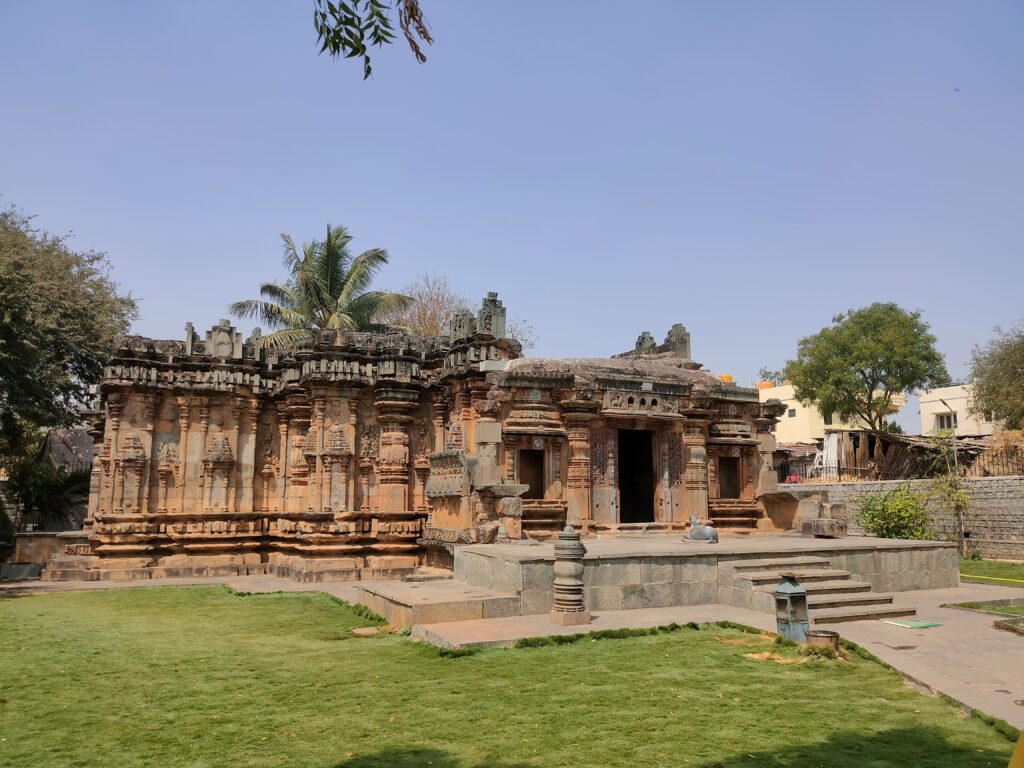
The Chandramouleshwara Temple in Unkal is a testimony to the rich history and architectural heritage of the region. Estimated to be around 900 years old, this ancient temple dedicated to Lord Shiva stands as a silent witness to the passage of time and the cultural evolution of Hubli. It’s one of the oldest surviving religious structures in the city, representing the early medieval Shaiva tradition of North Karnataka. Dedicated to Lord Shiva in his Chandramouleshwara form—the ascetic deity adorned with the crescent moon—the temple predates Hubballi’s emergence as a modern commercial hub. It preserves a layer of history that connects the region to the Chalukyas of Kalyana, whose architectural and religious influence shaped much of the Tungabhadra–Krishna doab.
History and architecture
The temple was built in the Badami Chalukya era and shows remarkable similarities to the temples in Aihole, Badami, and Pattadakal. However, the construction of the temple remains incomplete. It lacks a traditional gopura and other elements of the temple.
According to local folklore, it was suggested that it was constructed overnight by a group of anonymous artisans and sculptors.
But despite its incomplete state, the temple has marvelous sculptures and intricate carvings that captivate art enthusiasts.
Inside the main temple, there are two significant Shivalings: one is of the presiding deity, Lord Chandramouleshwar, facing east, and the other is of Chaturmukha Linga, symbolizing the four-faced Linga. Two Nandi statue at the entrance add to the sacred ambiance of the temple
Architectural Features and Style
The temple exemplifies the Kalyana Chalukya architectural style, characterized by balanced proportions, restrained ornamentation, and functional design. Built primarily of locally sourced stone, the temple features a simple garbhagriha (sanctum) housing the Shiva linga, a modest antarala (vestibule), and a pillared hall. The sculptural elements focus on symbolic clarity rather than elaborate decoration, aligning with Shaiva devotional aesthetics.
Iconography and Sculptural Elements
Sculptural details, though understated, include motifs associated with Shaiva mythology, such as Nandi, floral patterns, and geometric bands. The emphasis is on sacred geometry and spatial harmony rather than narrative reliefs. This simplicity enhances the meditative quality of the temple space.
Cultural Preservation
To ensure a cultural legacy endures, the Archaeological Survey of India (ASI) preserves and maintains the Chandramouleshwara Temple.
Relationship with Lingayat–Veerashaiva Tradition
The temple occupies an important place in the Shaiva-Lingayat cultural landscape of North Karnataka. While predating Basavanna’s 12th-century reforms, it represents the devotional environment from which the Lingayat movement emerged, emphasizing personal devotion to Shiva.
Timings
Pooja Timings: Devotees can participate in the daily rituals and worship conducted from 6 a.m. to 11 a.m. and from 5 p.m. to 7.30 p.m.
Open to All: The temple is open to visitors from 6 a.m. to 7:30 p.m., allowing them to explore the historical and spiritual facets of this ancient site.
How to Reach Chandramouleshwara Temple
Chandramouleshwara Temple is located in the Unkal area of Hubballi, around 5–7 km from the city center. This ancient Chalukyan-era Shiva temple is easily accessible by road and is one of the most important historical monuments in the region. The temple stands near Unkal Lake and at the foot of the Nrupatunga Hills, making it convenient to combine with other sightseeing spots.
By Air:
The nearest airport is Hubballi Airport, located about 12–15 km from the temple. Taxis and app-based cabs are readily available from the airport.
By Train:
Hubballi Junction is the nearest major railway station, approximately 7 km away. Auto-rickshaws, taxis, and city buses provide easy access to the temple from the station.
By Road:
The temple lies on the Hubballi–Dharwad road in Unkal. Regular city buses, auto-rickshaws, and private taxis operate throughout the day. Visitors traveling from Bengaluru, Belagavi, Goa, or Pune can easily reach Hubballi via national highways and continue to the temple by local transport.
Nearby Attractions
Unkal lake
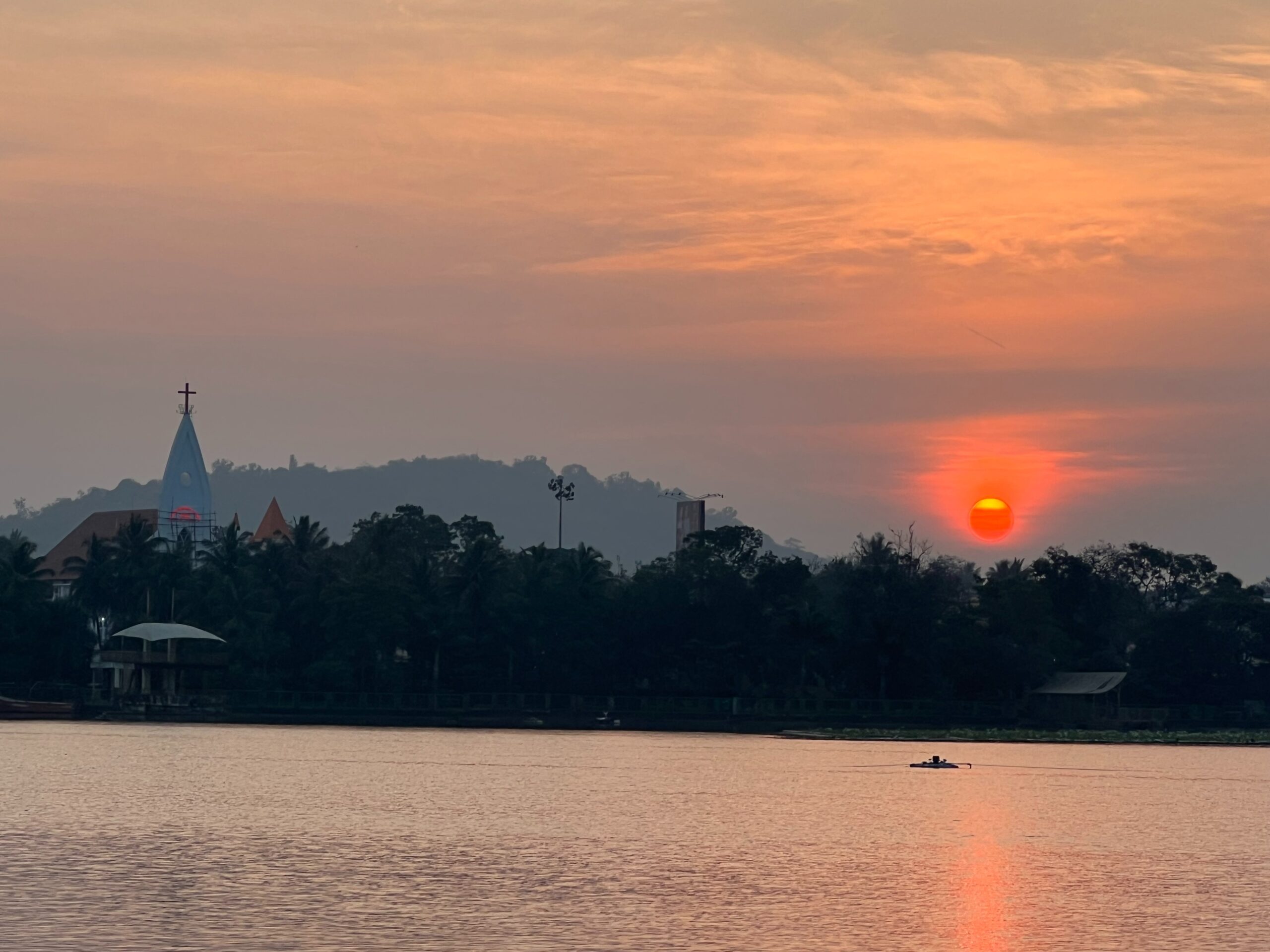
Located just beside the temple, Unkal Lake is one of Hubballi’s most popular recreational spots. The lake offers pleasant walking paths, scenic views, and beautiful sunset photography opportunities. Many visitors combine a temple visit with an evening stroll around the lake.
Nrupatunga Hills
Situated opposite the temple, this hill provides panoramic views of Hubballi city. The viewpoint is especially popular during sunrise and sunset and is a favorite spot for photographers and nature lovers.
Nrupatunga Betta View Point – 1
A developed viewpoint area on Nrupatunga Betta offering elevated views of the city, surrounding hills, and Unkal Lake. It is one of the best places near the temple for sightseeing and relaxation.
Shri Siddaroodha Swami Matha – Hubballi
One of North Karnataka’s most revered spiritual centers, this math attracts devotees from across the state. The peaceful atmosphere and religious significance make it a worthwhile stop after visiting Chandramouleshwara Temple.
Indira Gandhi Glass House – Hubballi
A popular family attraction featuring landscaped gardens, fountains, and seasonal flower displays. It is an excellent place for a relaxed evening outing.
Tolankere Lake & Garden
Known for its well-maintained gardens and peaceful lakefront setting, Tolankere is another attractive destination for walking, recreation, and photography.
Unkal Lake Shiva Mandir
A small but picturesque temple located near the lake, offering a tranquil spiritual experience amid scenic surroundings.
The ideal itinerary is to visit Chandramouleshwara Temple in the morning, explore Unkal Lake and Nrupatunga Hills in the evening, and conclude the day at Siddharoodha Math for a complete blend of history, spirituality, and nature.
Maps
FAQS
- Q: Where is Chandramouleshwara Temple located?
It is located in Old Hubballi, Karnataka.
- Q: Which dynasty built the temple?
It is attributed to the Western Chalukyas of Kalyana.
- Q: What does Chandramouleshwara mean?
What does Chandramouleshwara mean?
- Q: Is the temple still active?
Yes, it is a functioning place of worship.
- Q: What architectural style does it represent?
It represents the Kalyana Chalukya style of temple architecture.