Image Source: Hari Om Sharma
About Maharani Lakshmi Bai Park
Nestled in the historic Phool Bagh area of Gwalior, Maharani Lakshmi Bai Park is a significant landmark that commemorates one of India’s greatest freedom fighters, Rani Lakshmi Bai of Jhansi. More than just a public park, this memorial serves as a symbol of courage, patriotism, and sacrifice. Surrounded by greenery and historical significance, the park attracts history enthusiasts, tourists, and locals who come to pay homage to the legendary queen whose bravery inspired generations during India’s struggle for independence.
Conveniently located about 1.5 km from Gwalior Junction Railway Station and approximately 3 km from Gwalior Fort, the park is an easy addition to any sightseeing itinerary in the city.
History of Maharani Lakshmi Bai Park
Rani Lakshmi Bai remains one of the most celebrated figures in Indian history. As the Queen of Jhansi, she became a leading force during the Revolt of 1857 and fiercely resisted British rule. Known for her extraordinary courage and determination, she fought valiantly to protect her kingdom and uphold India’s freedom.
The queen attained martyrdom on June 18, 1858, but her legacy continues to inspire millions across the country. To honor her sacrifice and contribution to the freedom movement, a grand memorial was established in Gwalior.
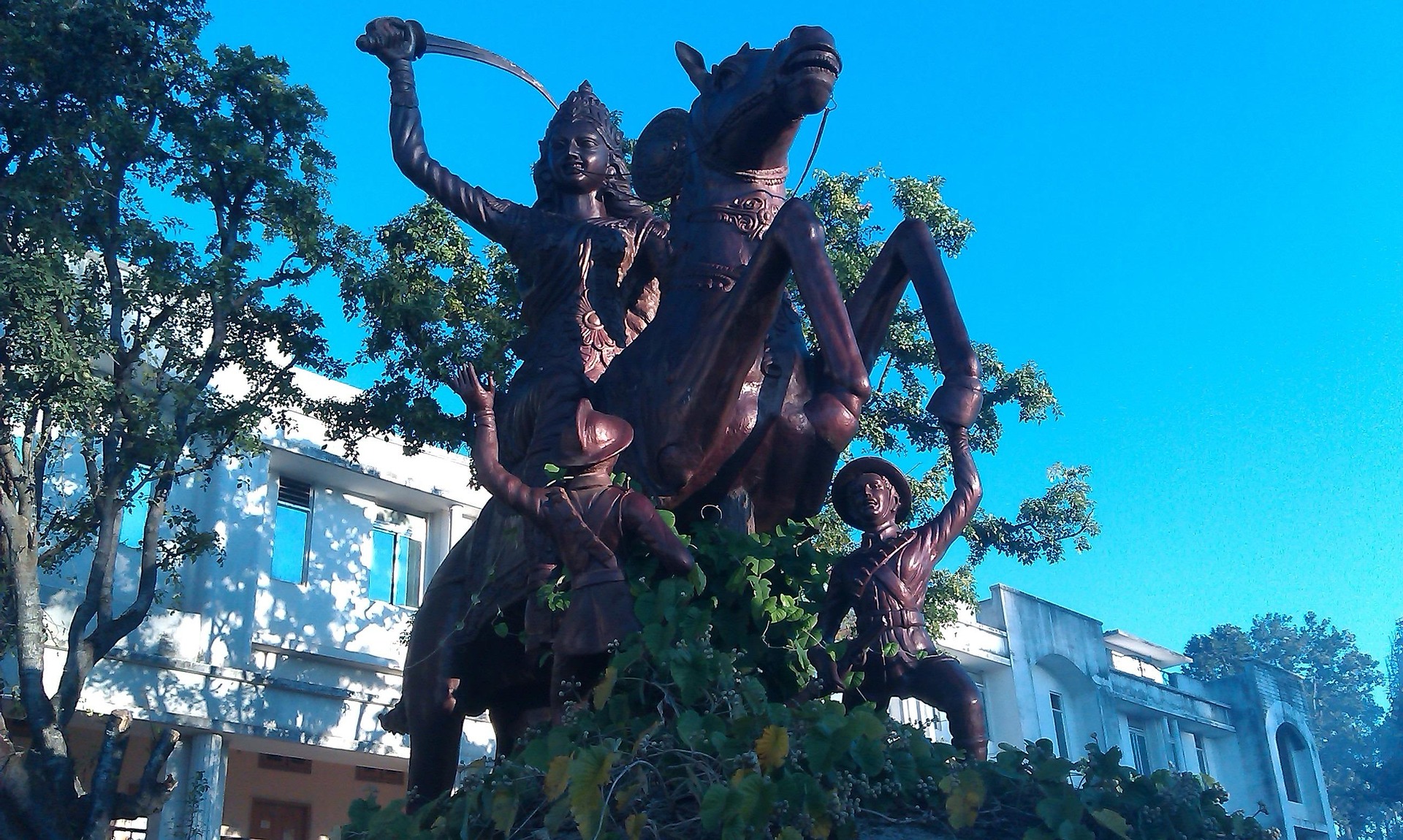
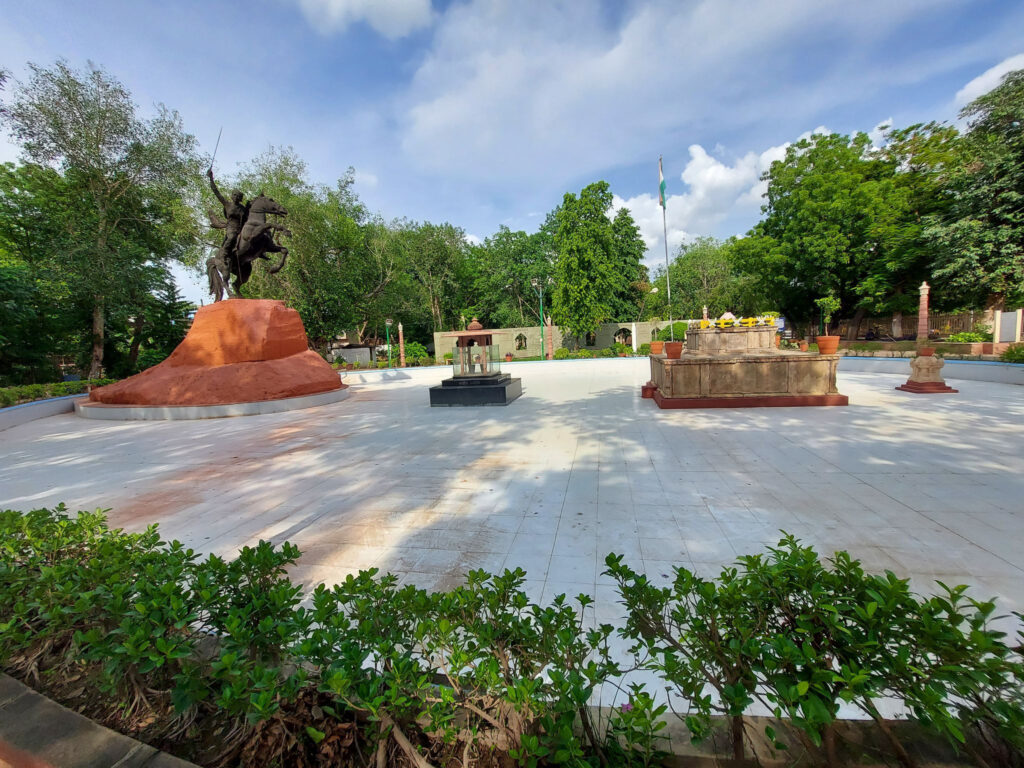
In 1920, the then ruler of Gwalior commissioned a magnificent bronze statue of Rani Lakshmi Bai. Standing approximately eight meters tall, the statue depicts the warrior queen mounted on a horse, holding a sword, with a child seated behind her. This iconic monument beautifully captures her fearless spirit and remains one of the most recognizable symbols of India’s fight for independence.
The Iconic Statue
The centerpiece of the park is undoubtedly the impressive equestrian statue of Rani Lakshmi Bai. The detailed sculpture portrays the queen in a battle-ready stance, reflecting her courage, leadership, and unwavering determination.
Visitors often stop here to admire the monument, take photographs, and learn about the remarkable story of the Queen of Jhansi. The statue serves as a powerful reminder of the sacrifices made by freedom fighters in shaping modern India.
Annual Fair and Commemorative Celebrations
Every year on June 18, the park becomes the focal point of commemorative events marking the martyrdom anniversary of Rani Lakshmi Bai. A vibrant fair is organized to honor her memory and celebrate her enduring legacy.
The event attracts visitors from across Madhya Pradesh and neighboring states. Cultural programs, folk music performances, traditional dances, local handicraft exhibitions, and regional food stalls create a festive atmosphere. The celebrations not only pay tribute to the warrior queen but also help preserve the rich cultural traditions of the region.
A Peaceful Place for Reflection
Apart from its historical importance, Maharani Lakshmi Bai Park offers a serene environment for visitors. The landscaped gardens, shaded pathways, and open spaces make it a pleasant spot for leisurely walks and quiet reflection. Many locals visit the park in the mornings and evenings to relax and enjoy the peaceful surroundings.
Park Timings
The park is generally open daily from 6:00 AM to 6:00 PM.
Morning and late afternoon are considered the best times to visit, especially during the winter months when the weather is pleasant and comfortable for sightseeing.
How to Reach Maharani Lakshmi Bai Park
By Air
The nearest airport is Gwalior Airport, located approximately 11 km from the park. Taxis and auto-rickshaws are readily available from the airport.
By Train
Gwalior Junction Railway Station is just 1.5 km away, making the park easily accessible by auto-rickshaw, taxi, or even a short walk.
By Road
The park is situated in the well-known Phool Bagh area and is well connected by local roads. Visitors can reach it easily by city buses, auto-rickshaws, taxis, and private vehicles.
Local Transport
Auto-rickshaws and app-based cab services are widely available throughout Gwalior and provide convenient access to the park and nearby attractions.
Nearby Attractions
Gwalior Fort
One of India’s most magnificent hill forts, featuring grand palaces, ancient temples, Jain rock-cut sculptures, and spectacular views of the city.
Jai Vilas Palace
A stunning royal palace and museum known for its European-inspired architecture, royal artifacts, and the famous Durbar Hall with its giant chandeliers.
Gwalior Zoo
A popular attraction for families and wildlife enthusiasts, housing a variety of animals, birds, and reptiles in a well-maintained environment.
Tomb of Tansen
The memorial of the legendary musician Tansen, one of Emperor Akbar’s Navratnas and a revered figure in Indian classical music.
Phool Bagh
A historic garden area featuring fountains, open lawns, and colonial-era structures, perfect for a leisurely stroll.
Maps
FAQs
Why is Maharani Lakshmi Bai Park famous?
The park is famous for its towering statue of Rani Lakshmi Bai and its historical significance as a memorial dedicated to one of India’s greatest freedom fighters.
Where is Maharani Lakshmi Bai Park located?
The park is located in the Phool Bagh area of Gwalior, Madhya Pradesh, close to Gwalior Junction Railway Station and Gwalior Fort.
What are the park timings?
The park is generally open from 6:00 AM to 6:00 PM daily.
Is there an entry fee?
The park is usually open to the public and may have minimal or no entry charges depending on local regulations.
When is the best time to visit?
The best time to visit is between October and March when Gwalior experiences pleasant weather.
What happens on June 18 at the park?
Every year, a commemorative fair and cultural programs are organized on June 18 to honor the martyrdom anniversary of Rani Lakshmi Bai.
How much time is needed to explore the park?
Most visitors spend 30 minutes to 1 hour exploring the memorial, enjoying the gardens, and learning about the history of Rani Lakshmi Bai.