Image Source: Ches Marbaniang
About Mawshun Cave
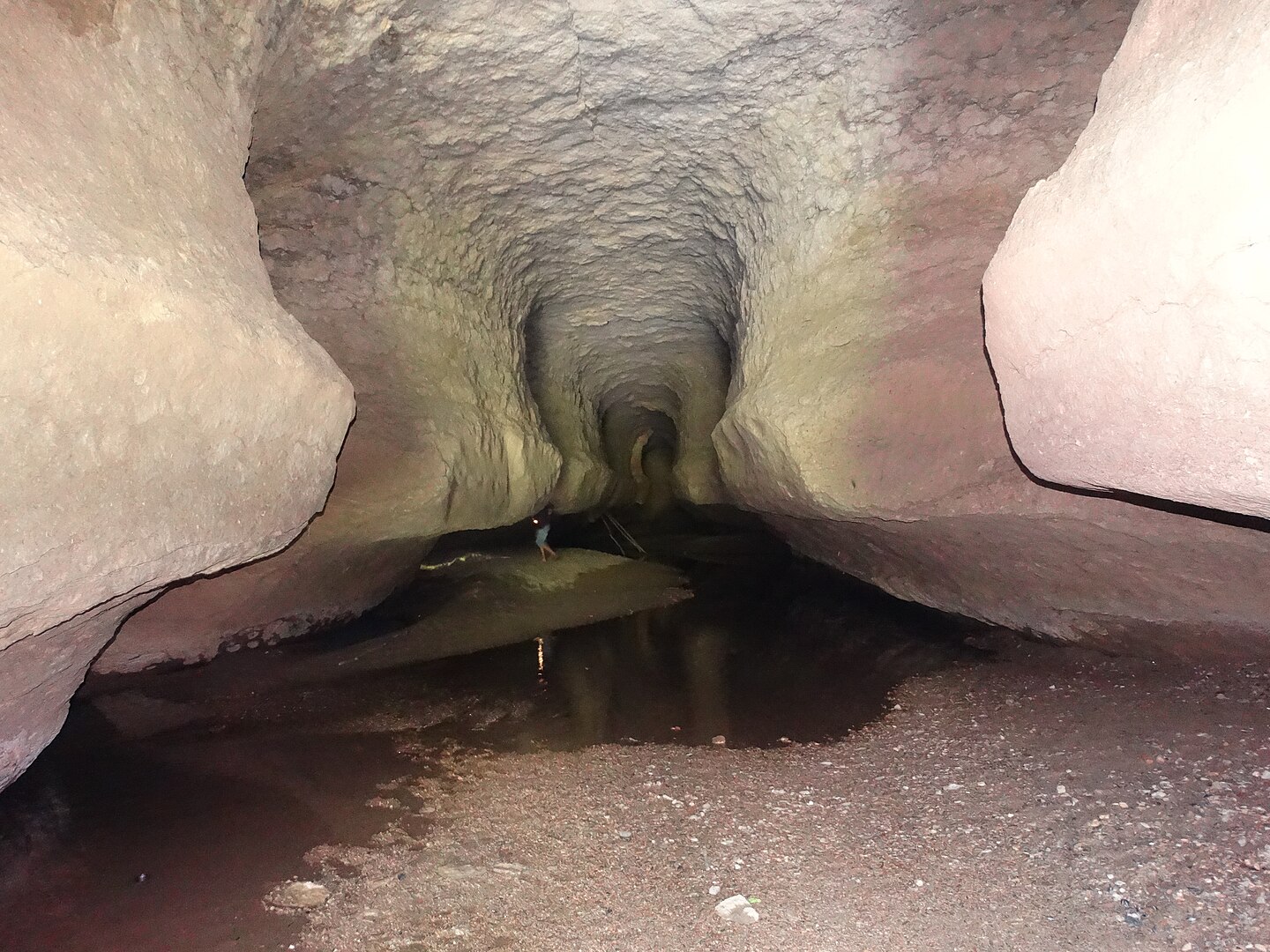
Mawshun Cave, located near the village of Mawshun in the East Khasi Hills district, is one of Meghalaya’s lesser-explored subterranean wonders. The cave is known for its intricate network of passages, limestone formations, and mysterious chambers that capture the adventurous spirit of Meghalaya’s caving culture.
Unlike the more touristy caves such as Mawsmai or Siju, Mawshun remains relatively untouched, offering explorers a chance to experience raw natural beauty in solitude. The damp, cool air, echoing chambers, and shimmering stalactites and stalagmites make this cave a thrilling yet peaceful escape into Meghalaya’s underground world.
Location and Geographical Context
Mawshun Cave is situated near Mawsmai village, a few kilometers from Sohra town in the East Khasi Hills district, Meghalaya. The cave lies within the Shillong Plateau, a geologically ancient landmass dominated by limestone and sandstone formations.
This region experiences some of the highest rainfall on Earth, and over thousands of years, monsoon water has dissolved limestone to create an extensive network of caves, sinkholes, underground streams, and chambers—Mawshun being one of the most accessible examples.
Local Folklore and Cultural Significance
According to Khasi oral traditions, Mawshun Cave is associated with stories of ancient shelter, survival, and hidden passages. Some local legends suggest that villagers once used caves like Mawshun as refuge during conflicts or extreme weather, while others speak of the cave as a sacred space connected to ancestral spirits.
Though not a religious site in the temple sense, the cave exists within the Khasi worldview that treats landforms as living entities, deserving respect rather than domination. This cultural lens explains why the cave has remained relatively intact despite growing tourism.
Geological Formation and Cave Structure
Mawshun Cave is a solution cave, formed by rainwater seeping through limestone layers and slowly carving underground passages. Inside the cave, visitors encounter:
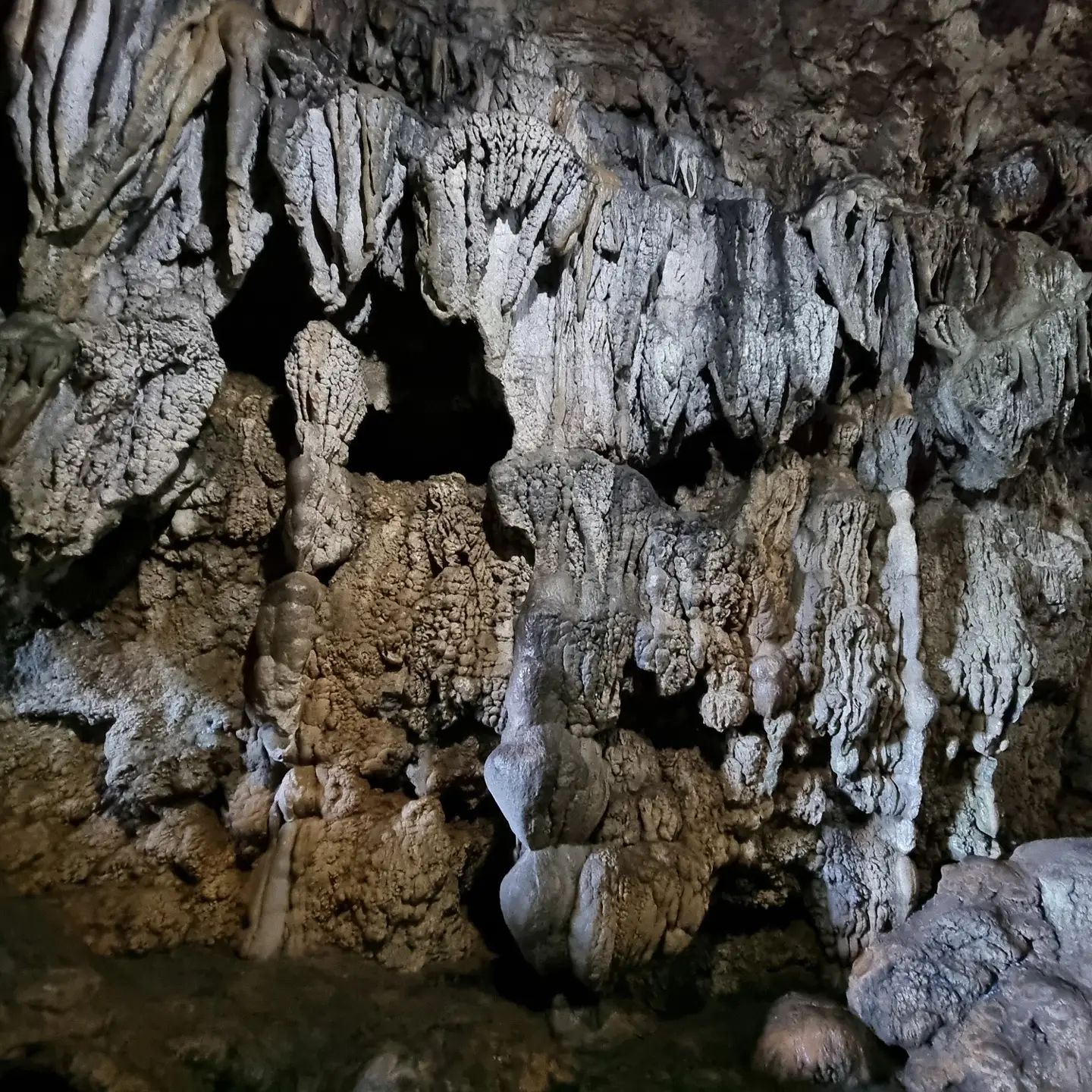
Stalactites and stalagmites formed by mineral-rich water
Narrow tunnels and low-roof chambers
Natural rock corridors shaped by erosion
Moist cave walls with mineral streaks and drip patterns
The cave environment constantly changes with the seasons—during monsoon, water flow intensifies, while in drier months, formations become more visible.
Attractions
The main highlight of Mawshun Cave lies in its geological formations. Visitors can admire naturally carved limestone sculptures, flowstones, and water channels that have taken thousands of years to form. The cave also serves as a natural habitat for bats and small cave-dwelling organisms, adding to its ecological importance.
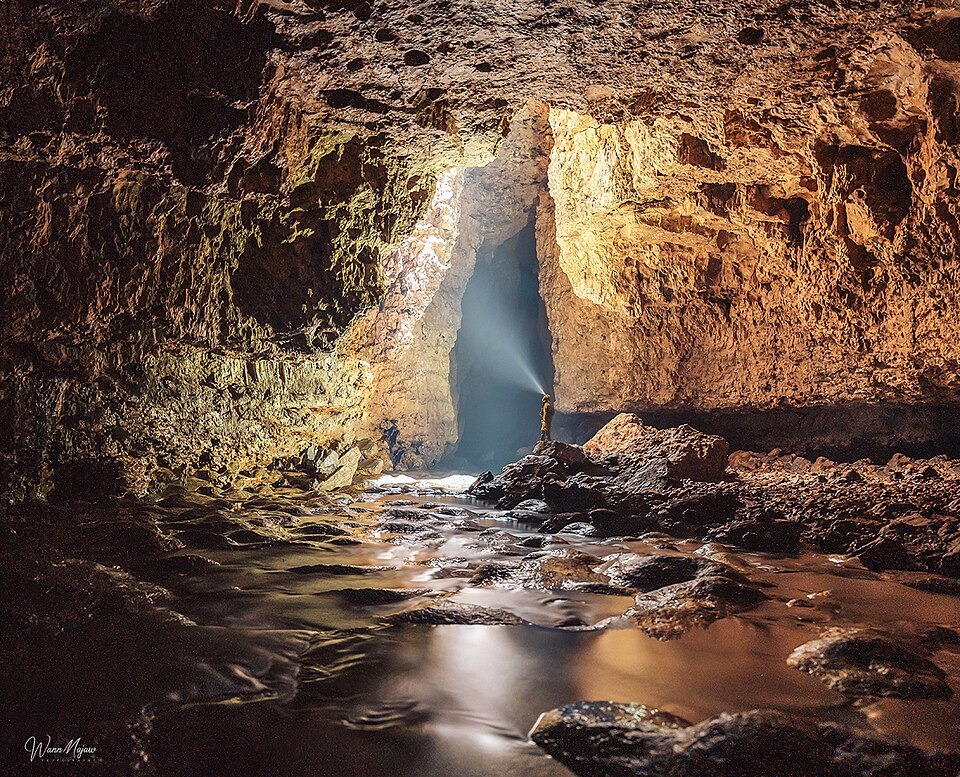
The play of light and shadows inside creates a mystical atmosphere, making it a paradise for photographers and nature enthusiasts. For adventurers, the cave’s twisting paths and narrow openings provide just the right mix of thrill and discovery.
Trekking & Exploration
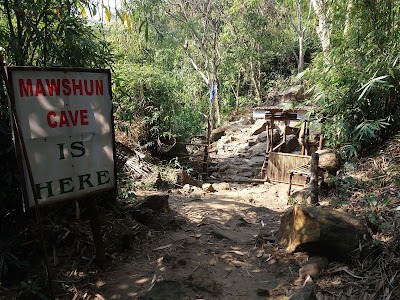
Trekking to Mawshun Cave involves navigating through hilly terrain, forested trails, and rocky patches. While the trek itself is not extremely strenuous, it requires stamina and caution, especially during the monsoon season when the paths can get slippery.
Inside the cave, exploration demands basic caving gear such as torches, helmets, and sturdy footwear. Local guides are available to assist visitors, ensuring safety while revealing the cave’s hidden chambers. For those new to caving, Mawshun offers an exciting yet manageable adventure.
Exploring Mawshun Cave: What to Expect
Exploring Mawshun Cave is a hands-on, sensory experience. Visitors often need to:
Bend or crouch in narrow sections
Walk on uneven, damp rock floors
Navigate dimly lit passages
Basic lighting is usually available, but the cave retains a natural feel, making it ideal for those interested in soft adventure and geological exploration rather than curated attractions.
Nearby Attractions
Mawsmai Cave
One of the most well-known caves in Meghalaya, located very close to Mawshun, offering a more illuminated but complementary cave experience.
Sohra (Cherrapunji)
A historic hill town famous for rainfall records, waterfalls, viewpoints, and Khasi heritage.
Nohkalikai Falls
India’s tallest plunge waterfall, deeply connected to local folklore and easily accessible from Sohra.
Seven Sisters Falls
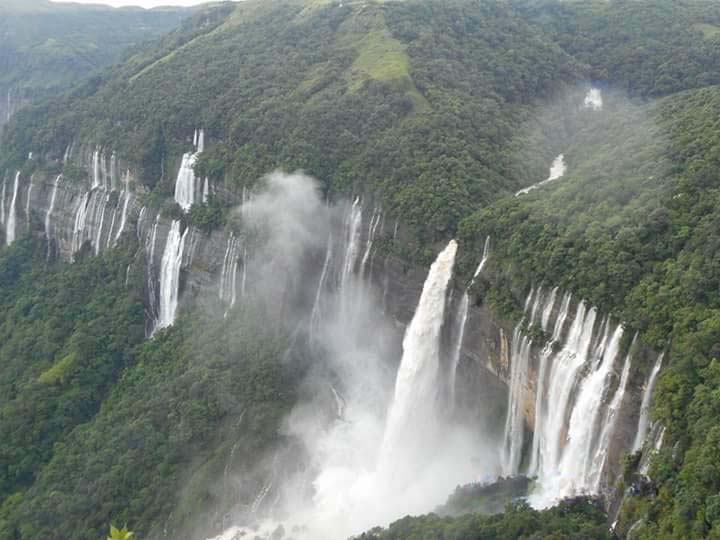
A dramatic seasonal waterfall that showcases the monsoon-fed cliffs of the Khasi Hills.
Living Root Bridges (Extended Exploration)
Further south of Sohra, these bridges demonstrate indigenous bioengineering using rubber fig roots, tying human ingenuity to nature.
How to Reach
Mawshun Cave is accessible from Shillong (about 60 km away). Travelers can hire taxis or shared cabs to reach the village of Mawshun, from where a short trek leads to the cave entrance.
The nearest major transport hubs are Shillong Airport and Guwahati Railway Station, which connect the region to the rest of India. Local transport services are easily available for the final stretch.
Google Maps
FAQS
- Q: Where is Mawshun Cave located?
Mawshun Cave is located near Sohra (Cherrapunji) in the East Khasi Hills district of Meghalaya.
- Q: What type of cave is Mawshun Cave?
It is a limestone solution cave, formed by rainwater erosion over thousands of years.
- Q: Is Mawshun Cave suitable for beginners?
Yes, but visitors should be comfortable with narrow spaces, uneven surfaces, and low lighting.
- Q: How long does it take to explore Mawshun Cave?
A typical visit takes 30–45 minutes, depending on pace and water conditions.
- Q: Is Mawshun Cave associated with local legends?
Yes, local Khasi folklore connects the cave to ancestral memory, shelter, and the living landscape.
- Q: What is the best season to visit Mawshun Cave?
The safest and most comfortable period is October to April.
- Q: Is Mawshun Cave heavily commercialized?
No, it remains less developed and more natural compared to some tourist-heavy caves.
- Q: Can Mawshun Cave be visited along with other Sohra attractions?
Yes, it fits well into a Sohra cave-and-waterfall itinerary.