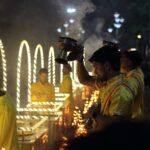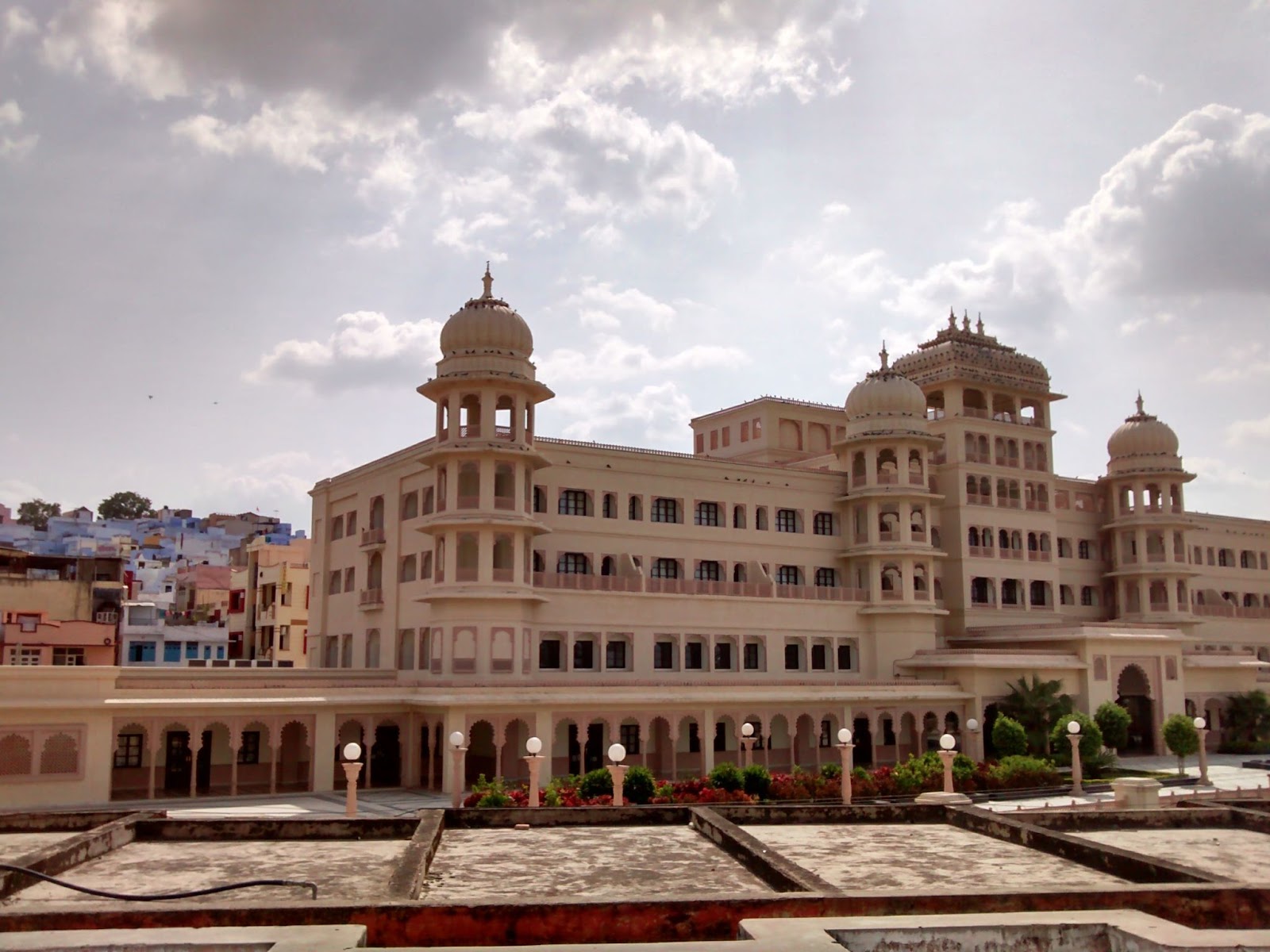
Image Source: Varun Jadav
About Shrinathji Temple
Set along the serene banks of the Banas River in the town of Nathdwara, the Shrinathji Temple is one of the most revered Krishna temples in India. Just about 45 km from Udaipur, it’s a spiritual stop that many travelers include in their itinerary.
Dedicated to Lord Krishna in his child form as Shrinathji, the temple is not just a place of worship—it’s a living tradition filled with rituals, stories, and deep devotion.
History of Shrinathji Temple
The origins of the temple date back to 1672 AD. According to tradition, the idol of Shrinathji was originally worshipped in Vrindavan. During the reign of Aurangzeb, when many temples in North India faced threats, devotees decided to move the idol to a safer place.
As the idol was being transported on a bullock cart, something unexpected happened—when the cart reached Nathdwara, its wheels got stuck deep in the mud and wouldn’t move further. This was seen as a divine sign. Believing it to be the will of Lord Krishna, the priests decided to established the idol right there.
With the support of Maharana Raj Singh I, the temple was built at this sacred spot. The name “Nathdwara” itself means “Gateway to the Lord.”
Architecture and Spiritual Significance
Unlike many grand temples, Shrinathji Temple is designed to resemble the house of Nanda Maharaj (Krishna’s foster father), which is why it’s often called “Nandalaya” or “Nanda Bhavan.”
The idol of Shrinathji, carved in black marble, is striking and deeply symbolic—Krishna is shown lifting the Govardhan Hill with his left hand, while his right hand rests on his waist. The idol is adorned with intricate details, including motifs of peacocks, a lion, and a serpent.
Atop the temple, you’ll notice a sacred kalash (pot), the Sudarshana Chakra, and seven flags fluttering in the wind. These flags represent the seven principal houses of the Pushti Marg tradition, founded by Vallabhacharya.
The temple complex itself is vast and well-organized. There are dedicated kitchens where food offerings (bhog) are prepared multiple times a day. These are later distributed as prasad to devotees. The temple also maintains a (cow shelter) with hundreds of cows, which holds deep religious significance.
Rituals and Festivals
Life at Shrinathji Temple revolves around seva (service) and darshan (viewing of the deity). The idol is treated like a living child—dressed in beautiful clothes, offered meals several times a day, and cared for with great devotion.
Major festivals like Janmashtami, Holi, and Diwali are celebrated with incredible enthusiasm. During these times, the temple is filled with भक्तों, music, colors, and an unmistakable festive energy.
Darshan Timings
To truly experience the temple’s spiritual atmosphere, plan your visit around these darshan and aarti timings:
- Mangla Aarti: 5:30 AM – 6:15 AM.
- Mangla Darshan: 7:10 AM – 7:35 AM.
- Rajbhog Darshan: 11:20 AM – 12:10 PM.
- Uthapan Darshan: 3:40 PM – 4:00 PM.
- Evening Aarti: 5:10 PM – 6:00 PM.
(Timings may vary slightly depending on the season and festivals.)
Travel Tips
- Visit early in the morning to avoid heavy crowds.
- Dress modestly, as it’s a place of worship.
- Mobile phones and photography may be restricted inside.
- Try the temple prasad—it’s considered sacred and delicious.
- Combine your visit with nearby places like Eklingji Temple.
How to Reach Shrinathji Temple, Nathdwara
Shrinathji Temple
Located in the temple town of Nathdwara in Rajasthan’s Rajsamand district, Shrinathji Temple is one of the most important pilgrimage centers dedicated to Lord Krishna. The temple is situated about 48 kilometers northeast of Udaipur and attracts millions of devotees every year.
By Air
The nearest airport is Maharana Pratap Airport, located approximately 48–56 kilometers from Nathdwara. Taxis and private cabs are readily available from the airport, and the journey usually takes around one hour.
By Train
Nathdwara Railway Station is the nearest railhead and lies about 2 kilometers from the temple. Another major nearby station is Mavli Junction Railway Station, approximately 28 kilometers away. Auto-rickshaws and taxis are available from both stations.
By Road
Nathdwara is well connected by road to major cities such as Udaipur, Ahmedabad, Jaipur, and Delhi. Regular Rajasthan State Road Transport Corporation (RSRTC) buses and private buses operate to Nathdwara. Visitors coming from Udaipur can reach the temple in about 45–60 minutes by taxi or bus.
Nearby Attractions to Shrinathji Temple
Haldighati
Located around 18 kilometers from Nathdwara, Haldighati is the historic battlefield where the famous Battle of Haldighati was fought between Maharana Pratap and the Mughal forces. The site includes museums, memorials, and exhibits related to Mewar’s heroic history.
Chetak Smarak
This memorial is dedicated to Chetak, the loyal horse of Maharana Pratap. It commemorates the horse’s bravery during the Battle of Haldighati and is a popular stop for history enthusiasts.
Rajsamand Lake
One of Rajasthan’s largest artificial lakes, Rajsamand Lake is known for its marble embankments, scenic views, and historical inscriptions. It is an ideal place for photography and peaceful walks.
Dwarkadheesh Temple
Situated in nearby Kankroli, this revered Krishna temple is an important pilgrimage destination for Vaishnav devotees. The temple overlooks Rajsamand Lake and offers a serene spiritual atmosphere.
Eklingji Temple
Located between Udaipur and Nathdwara, Eklingji Temple is a magnificent temple complex dedicated to Lord Shiva. Known for its exquisite stone carvings and historical significance, it is one of the most important temples in Mewar.
Nagda
An ancient archaeological site near Eklingji, Nagda is famous for the beautifully carved Sahastra Bahu (Sas-Bahu) Temples and the remains of an early medieval settlement.
Kumbhalgarh Fort
A UNESCO World Heritage Site, Kumbhalgarh Fort is renowned for its massive fortifications and the world’s second-longest continuous wall after the Great Wall of China. The fort offers breathtaking views of the Aravalli Hills.
Kumbhalgarh Wildlife Sanctuary
Surrounding Kumbhalgarh Fort, this sanctuary is home to leopards, wolves, sloth bears, and numerous bird species, making it a great destination for nature lovers.
Charbhuja Temple
Dedicated to Lord Vishnu, Charbhuja Temple is a major pilgrimage center often visited together with Shrinathji Temple as part of a religious circuit.
City Palace
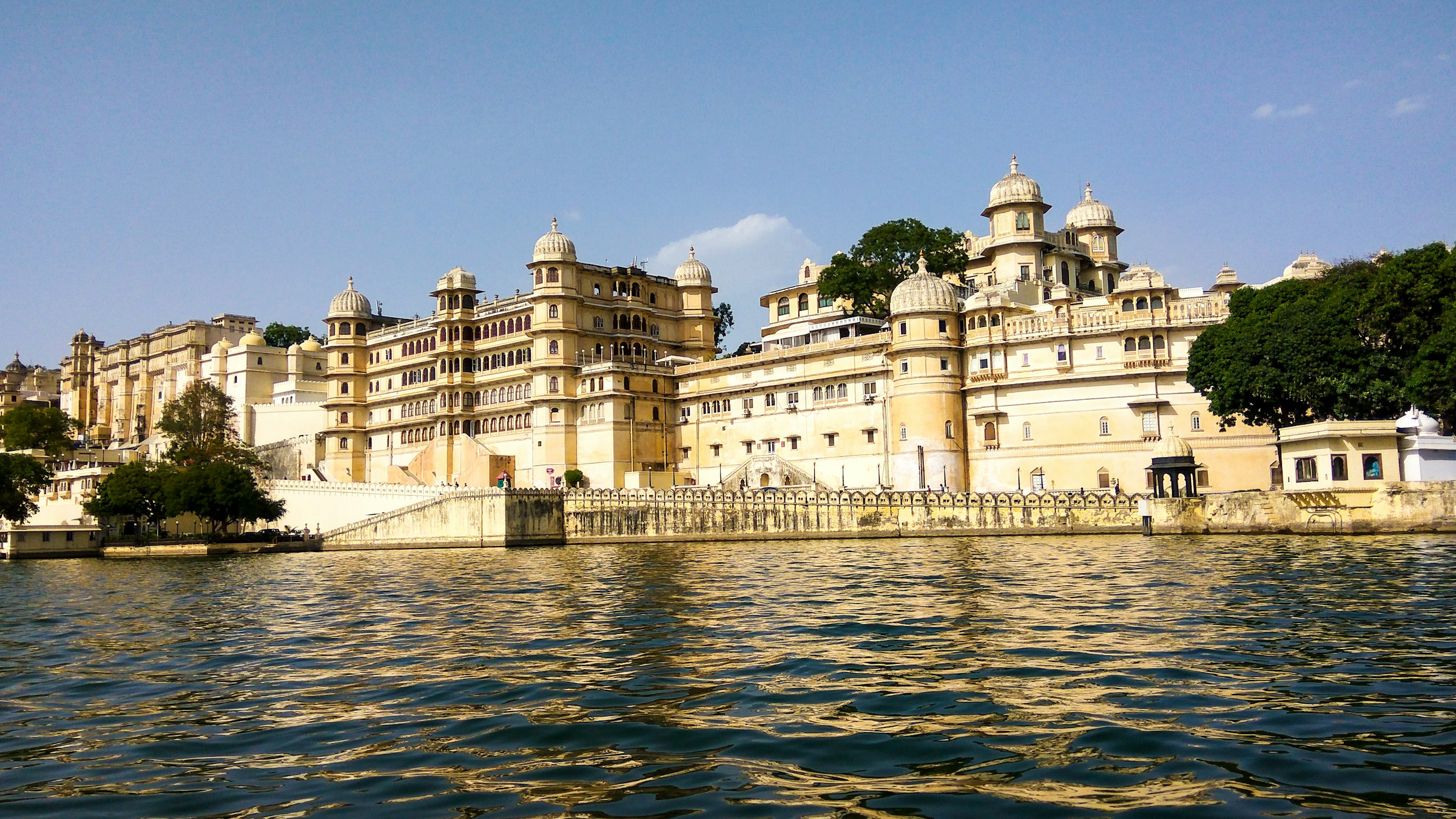
For travelers extending their journey to Udaipur, the magnificent City Palace offers royal architecture, museums, courtyards, and spectacular views of Lake Pichola.
Suggested Day Trip from Nathdwara
A popular sightseeing route is:
Shrinathji Temple → Haldighati → Chetak Smarak → Rajsamand Lake → Dwarkadheesh Temple (Kankroli)
For a full-day excursion, continue onward to Eklingji Temple, Nagda, or Kumbhalgarh Fort to experience the rich religious, historical, and cultural heritage of the Mewar region.
Google Maps
FAQs
1. Where is Shrinathji Temple located?
It is located in Nathdwara, near Udaipur.
2. Why is Shrinathji Temple famous?
The temple is famous for its unique form of Lord Krishna (Shrinathji) and its deep connection with the Pushti Marg tradition.
3. What is the best time to visit Shrinathji Temple?
Early mornings or weekdays are ideal to avoid crowds. Festivals are vibrant but very crowded.
4. Can tourists visit the temple?
Yes, the temple is open to all visitors, but certain rules and dress codes should be followed.
5. How far is Nathdwara from Udaipur?
Nathdwara is about 45 km from Udaipur and can be reached by road in about an hour.
6. Are there accommodation options near the temple?
Yes, Nathdwara has several hotels, धर्मशालाएँ, and guesthouses for pilgrims and tourists.
7. What is special about Shrinathji darshan?
The darshan is unique because the deity is treated like a living child, with multiple outfit changes and meal offerings throughout the day.