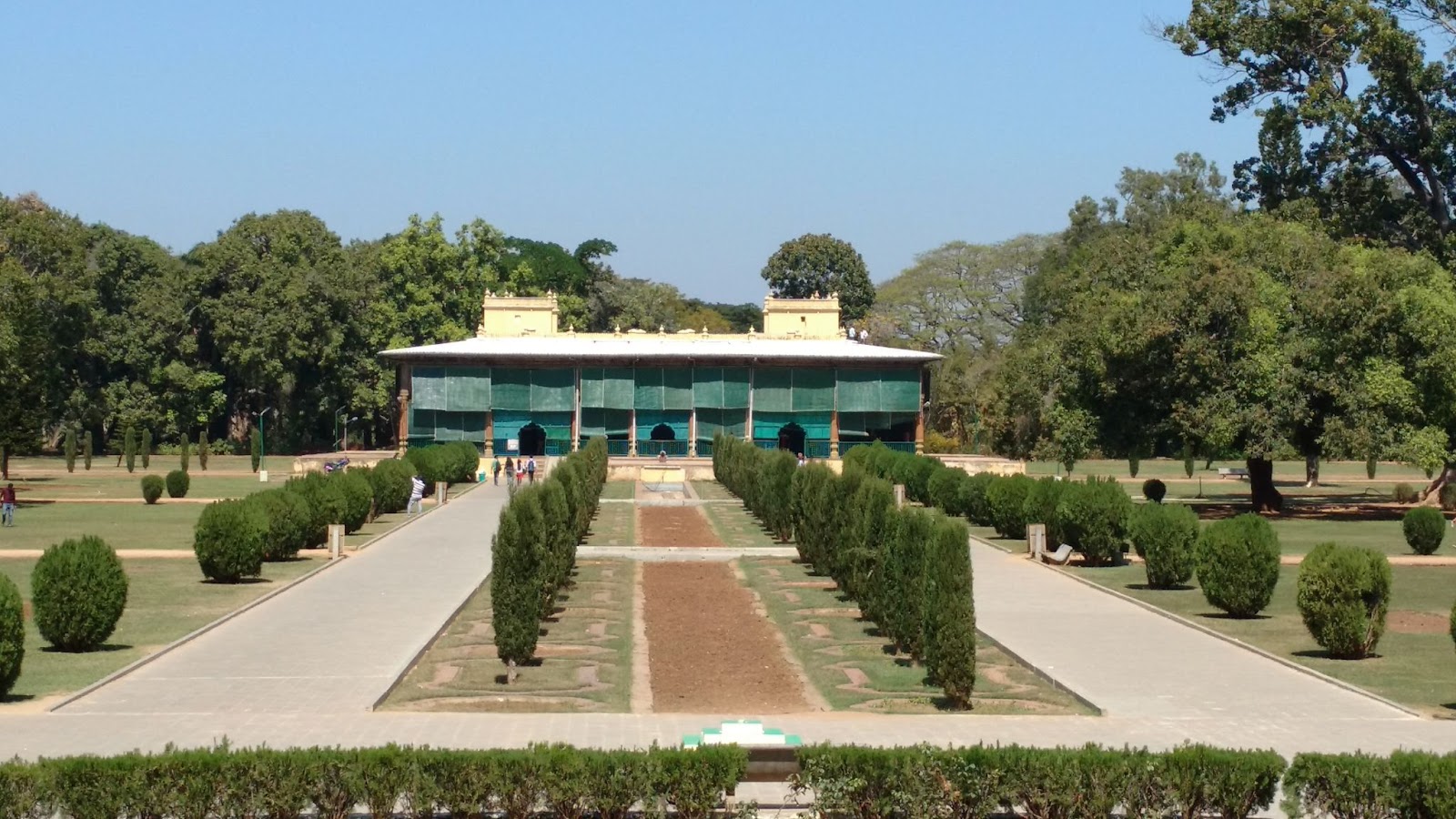
Image Source: Kumar Saurav/ Google Maps
Introduction
Madikeri Fort is one of the important historical landmarks of Madikeri, the headquarters of Kodagu district in Karnataka. Located on a hillock in the centre of the town, the fort reflects the political history of the Haleri dynasty, the military expansion of Tipu Sultan and the subsequent British administration of Kodagu.
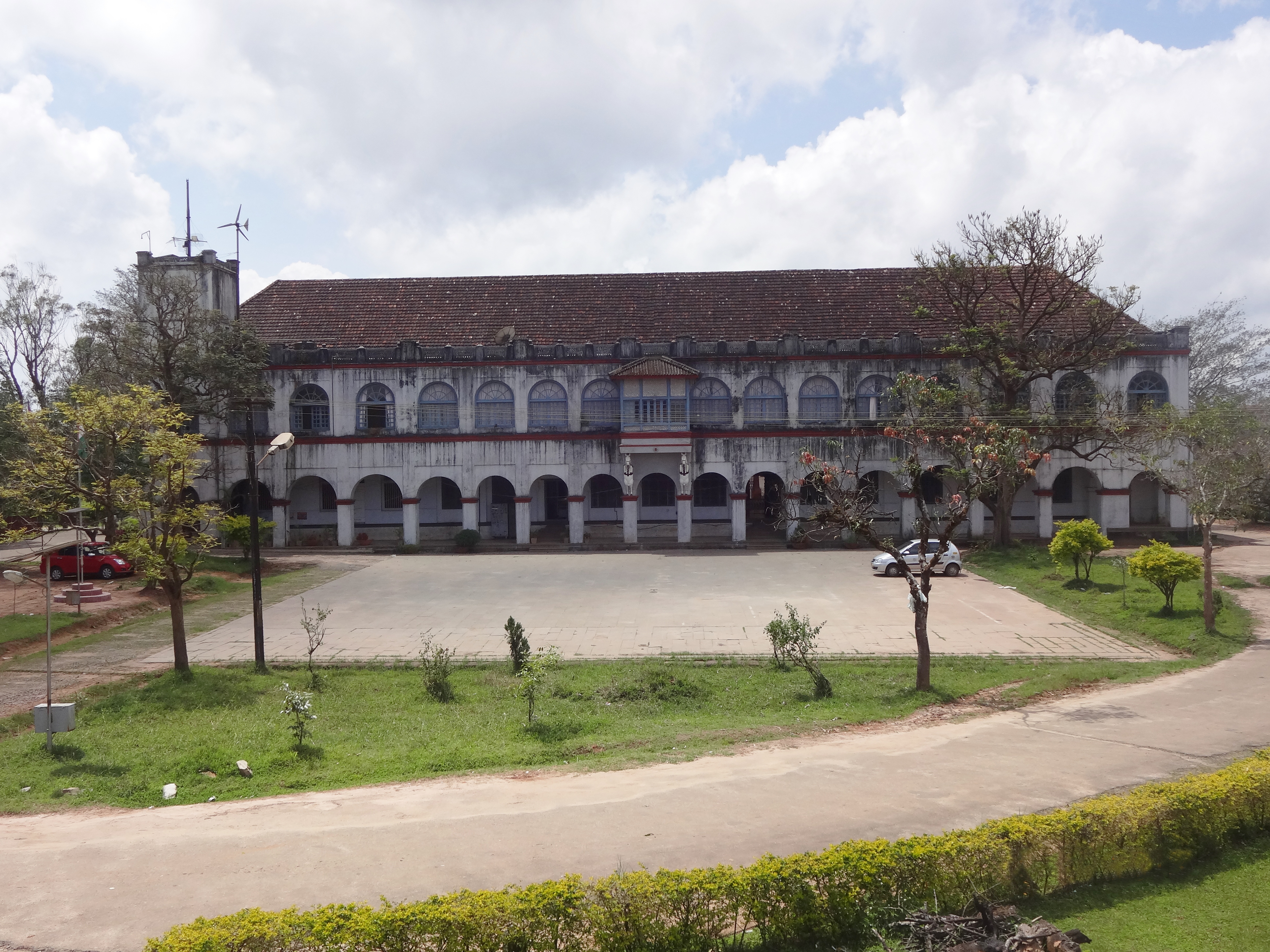
The fort was originally constructed by Muddu Raja, a ruler of the Haleri dynasty, in 1681. Initially built as an earthen fort, it was later reconstructed in granite during the rule of Tipu Sultan. Over the centuries, the complex underwent several modifications, including the construction and renovation of its palace, the addition of a clock tower and the conversion of a former temple site into a church.
Today, Madikeri Fort is an important heritage attraction, with its palace complex, historic structures, stone elephants and museum offering an insight into the history of Coorg, traditionally known as Kodagu.
LOCATION AND GEOGRAPHICAL SETTING
Madikeri Fort is situated in Madikeri town, Kodagu district, Karnataka. The fort stands on elevated ground and overlooks parts of the surrounding town.
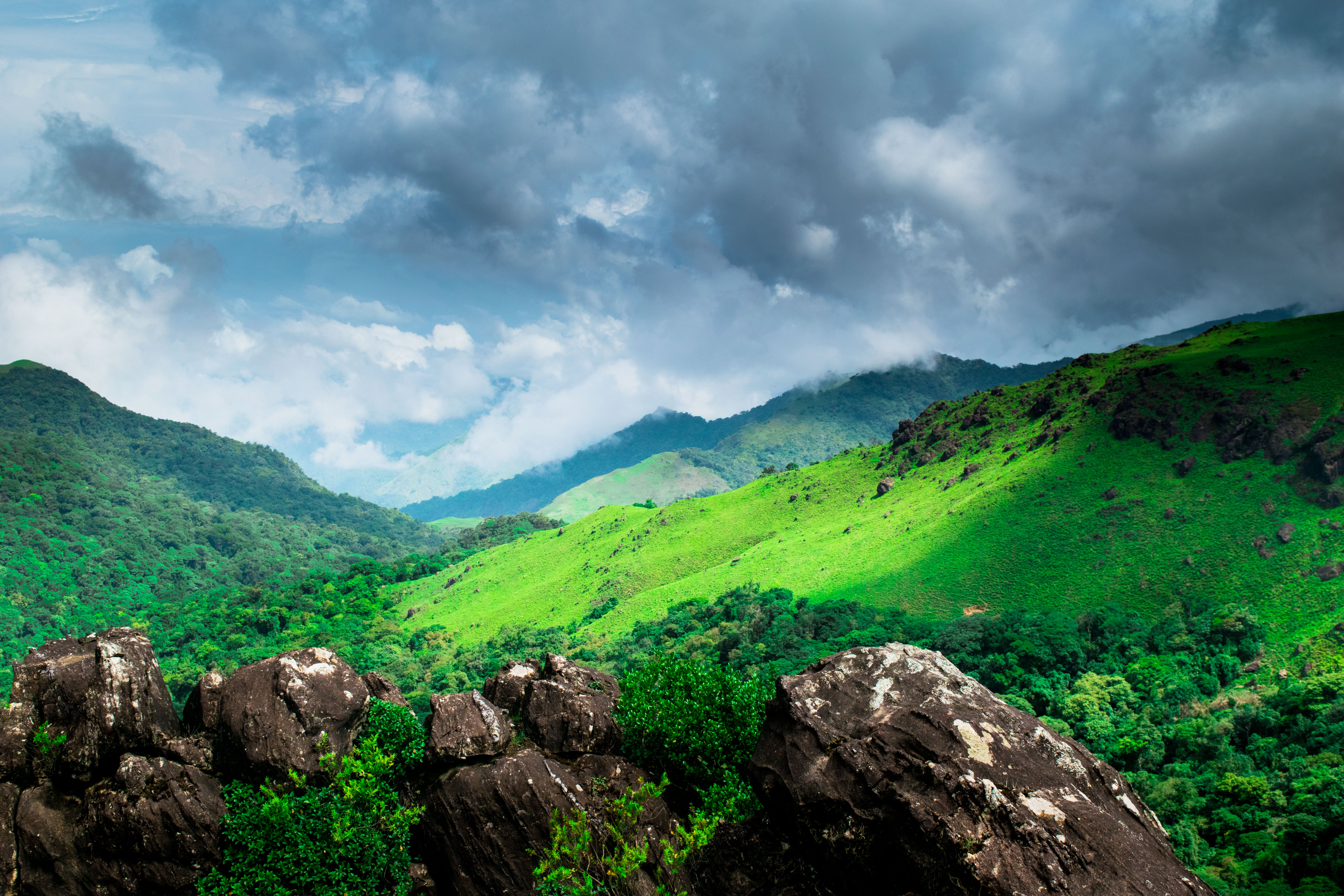
It is approximately 500 metres from the Madikeri bus stand, making it easily accessible to visitors exploring the town. Madikeri lies in the Western Ghats, a mountainous region known for its coffee plantations, forested hills, heavy monsoon rainfall and scenic landscapes.
The fort occupies a prominent position within the town’s historic centre. Unlike isolated hill forts that require a long uphill walk, Madikeri Fort can be explored as part of a regular heritage visit.
HISTORY OF MADIKERI FORT
1. CONSTRUCTION BY MUDDU RAJA IN 1681
The history of Madikeri Fort is closely connected with the Haleri dynasty, which ruled Kodagu for several centuries.
Muddu Raja shifted the seat of government from Haleri to Madikeri and established the town as the new political centre of the kingdom. According to the 1961 District Census Handbook for Coorg, he constructed a fort and palace at Madikeri in 1681.
The original fort was built using earth, while the palace within the complex was also a relatively simple structure. The establishment of the fort marked an important stage in the development of Madikeri as the administrative capital of Kodagu.
2. RECONSTRUCTION UNDER TIPU SULTAN
During the eighteenth century, Kodagu became an important region in the political and military contest between the Mysore rulers and the Haleri kings.
Tipu Sultan extended his influence over the region and the fort underwent a major reconstruction during this period. The original earthen structure was rebuilt using granite, giving it greater strength and durability.
Some historical and tourism accounts also associate Tipu Sultan with the name Jaffarabad for the fortified settlement. The reconstruction transformed the appearance of the original fort and contributed to the stone structure that survives today.
3. RESTORATION UNDER THE HALERI RULERS
The fort returned to the control of the Haleri ruler Dodda Vira Rajendra in 1790, following his conflict with Tipu Sultan.
Subsequent rulers made further changes to the complex. Lingarajendra II undertook renovation work on the palace between 1812 and 1814. The palace was modified again during the British period in 1933, when a clock tower and portico were added.
These successive modifications explain why the fort complex contains architectural features from different periods rather than representing a single phase of construction.
4. BRITISH OCCUPATION AND ADMINISTRATION
The British established control over Kodagu in 1834, bringing the Haleri dynasty’s rule to an end.
Madikeri Fort subsequently became part of the colonial administrative establishment. The British made further architectural additions and altered some of the existing structures.
One of the most significant changes involved the former Veerabhadra Temple inside the fort. The temple was demolished in 1855, and a Gothic-style Anglican church was constructed at the site. This building later became a museum.
The fort therefore represents not only the military history of Kodagu but also the political and administrative changes that took place during the transition from the Haleri kingdom to British rule.
ARCHITECTURAL FEATURES AND IMPORTANT STRUCTURES
1. GRANITE FORTIFICATIONS
The fort’s granite construction reflects the reconstruction undertaken during the Mysore period. The stone structure replaced the original earthen fort and gave the complex a more substantial defensive appearance.
Although the fort no longer functions as a military installation, its surviving walls and gateways provide an idea of its historical importance.
2. PALACE OF MUDDU RAJA
The palace is one of the most important structures within Madikeri Fort. Originally constructed by Muddu Raja, it underwent substantial renovation under Lingarajendra II and later modifications during British administration.
The building represents the transition from a royal residence to a colonial and subsequently modern administrative structure.
Parts of the complex have been used for government offices, including the Deputy Commissioner’s administrative establishment. The palace is also identified in parliamentary records concerning conservation work on centrally protected monuments.
3. STONE ELEPHANTS
Two large masonry elephants are among the most recognisable features of Madikeri Fort.
They stand near the entrance and are notable for their realistic appearance. Their presence gives the fort complex a distinctive visual identity.
4. ST MARK’S CHURCH AND MUSEUM
The former Anglican church is an important architectural feature of the fort.
Built in the nineteenth century after the demolition of the Veerabhadra Temple, the church reflects the Gothic architectural influence of the British period.
The building now houses a museum displaying historical objects associated with Kodagu and its people. Visitors can find exhibits relating to regional history, traditional life and the colonial period.
5. CLOCK TOWER AND PORTICO
The palace complex received additional architectural features during the British period. A clock tower and portico were added during the renovation of 1933.
These elements distinguish the later administrative architecture from the original fort and palace structures.
6. OTHER STRUCTURES WITHIN THE COMPLEX
The fort premises also contain other buildings and institutional structures associated with the town’s administration and heritage. The Kote Maha Ganapathi Temple is another religious landmark in the surrounding fort area.
WHAT MAKES MADIKERI FORT HISTORICALLY IMPORTANT?
Madikeri Fort is significant because it represents several distinct phases of Kodagu’s political history.
Its original construction reflects the consolidation of the Haleri dynasty under Muddu Raja. Its reconstruction in granite represents the period of Mysore influence under Tipu Sultan. Its later modifications reflect the restoration of Haleri authority and the establishment of British administration in Kodagu.
The fort also provides an example of how historical military structures can gradually acquire new administrative, religious and cultural functions.
Rather than being preserved entirely as a military monument, Madikeri Fort has evolved into a complex containing historical buildings, a museum and government offices.
BEST TIME TO VISIT
October to February is generally a comfortable period to explore Madikeri and its historical attractions. The weather is relatively pleasant, making it suitable for walking around the town and visiting nearby viewpoints.
March to May can also be suitable, although temperatures may be warmer.
June to September is the monsoon season in Kodagu. Heavy rainfall transforms the surrounding hills into a lush landscape, but rain can affect outdoor sightseeing and travel conditions.
HOW TO REACH MADIKERI FORT
BY ROAD
Madikeri is well connected by road with Mysuru, Bengaluru, Mangaluru and other towns in Karnataka.
The fort is located within Madikeri town, approximately 500 metres from the main bus stand. Visitors arriving by bus can reach the complex on foot or by a short auto rickshaw ride.
BY RAIL
Kodagu district does not have a railway station. Mysuru, Hassan, Mangaluru and Kannur are among the railway stations used by visitors travelling towards Madikeri.
From these locations, the remaining journey has to be completed by road.
BY AIR
Mangaluru International Airport, Kannur International Airport and Mysuru Airport are among the airports used to access Kodagu. Road travel is required to reach Madikeri.
NEARBY TOURIST ATTRACTIONS
1. RAJA’S SEAT
Raja’s Seat is one of the most popular viewpoints in Madikeri. Traditionally associated with the Kodagu rulers, it offers views of the surrounding valleys and hills. It is particularly popular during sunset.
2. OMKARESHWARA TEMPLE
Located within Madikeri town, Omkareshwara Temple was built by Lingarajendra II in 1820. Its architecture combines Hindu religious elements with features commonly associated with Islamic architecture.
3. GADDIge OR RAJA’S TOMBS
The Gaddige complex contains the tombs of members of the Kodagu royal family. Its distinctive domes and minarets reflect Indo-Islamic architectural influences.
4. ABBEY FALLS
Abbey Falls is a popular waterfall near Madikeri, surrounded by coffee plantations and vegetation. It is particularly attractive during and after the monsoon, although access conditions can vary with rainfall.
5. TALACAUVERY
Talacauvery, situated in the Brahmagiri Hills, is traditionally regarded as the origin of the River Cauvery. It is an important pilgrimage destination in Kodagu.
6. BHAGAMANDALA
Bhagamandala is a religious destination near the confluence of the Cauvery, Kannike and the traditionally identified Sujyoti River. It is known for the Bhagandeshwara Temple.
TRAVEL INFORMATION
Madikeri Fort is a convenient heritage attraction for visitors staying in Madikeri. Unlike remote forts requiring trekking or special transport arrangements, it can be explored during a short walking visit.
Allow approximately one to two hours to explore the fort complex and its museum, depending on which buildings are accessible during your visit.
Opening hours and museum access should be confirmed locally, as the complex contains administrative buildings and access arrangements may change. Some visitor guides publish timings of approximately 10 AM to 5:30 PM, but these should not be treated as confirmed official timings.
OFFICIAL AND GOVERNMENT REFERENCES
1. Kodagu District Administration, Government of Karnataka: Madikeri Fort.
https://kodagu.nic.in/en/tourist-place/madikeri-fort/
2. District Census Handbook, Coorg, 1961. Historical information on Muddu Raja, the transfer of the capital and the construction of Madikeri Fort in 1681.
3. Karnataka Tourism: Kodagu heritage attractions and historical description of Madikeri Fort.
4. Rajya Sabha, Government of India, 6 April 2023. Parliamentary annexure listing the Palace inside Madikeri Fort among centrally protected monuments for which conservation work was in progress.
Bonus Section
The construction of Madikeri Fort in 1681 by Muddu Raja is documented in the District Census Handbook for Coorg. The subsequent granite reconstruction is associated with Tipu Sultan, while the palace renovations and British additions represent later phases of the complex’s development.
The present fort should therefore be understood as a layered historical site rather than a structure built entirely during one ruler’s reign.