Image Source: shubham jangid
Overview
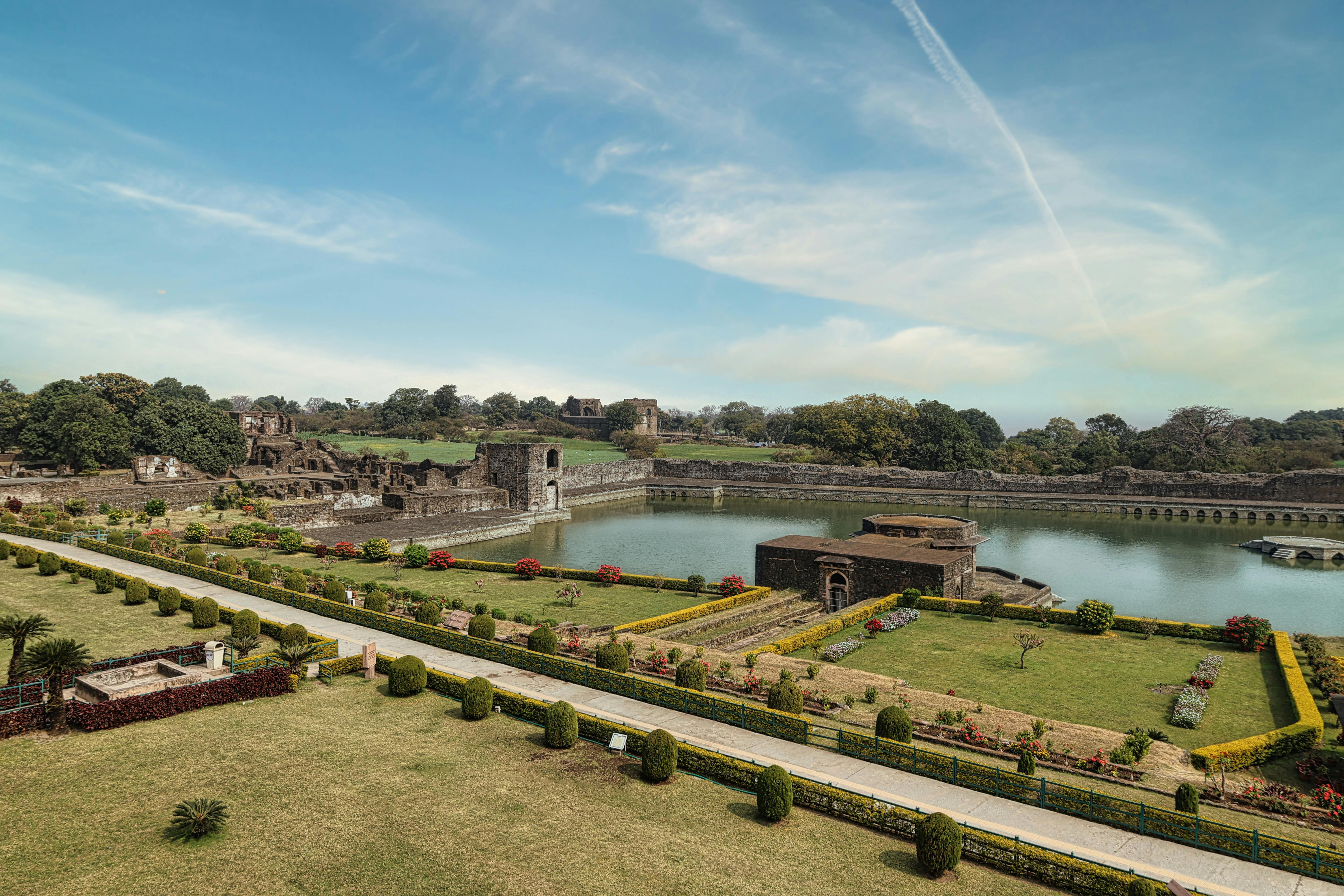
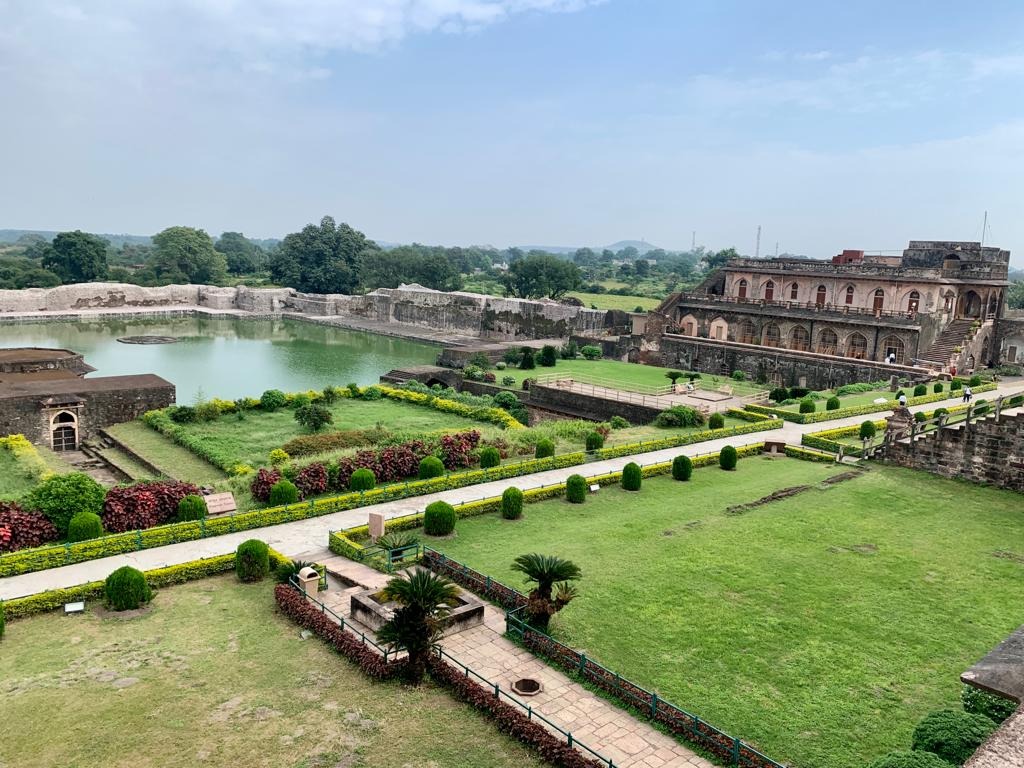
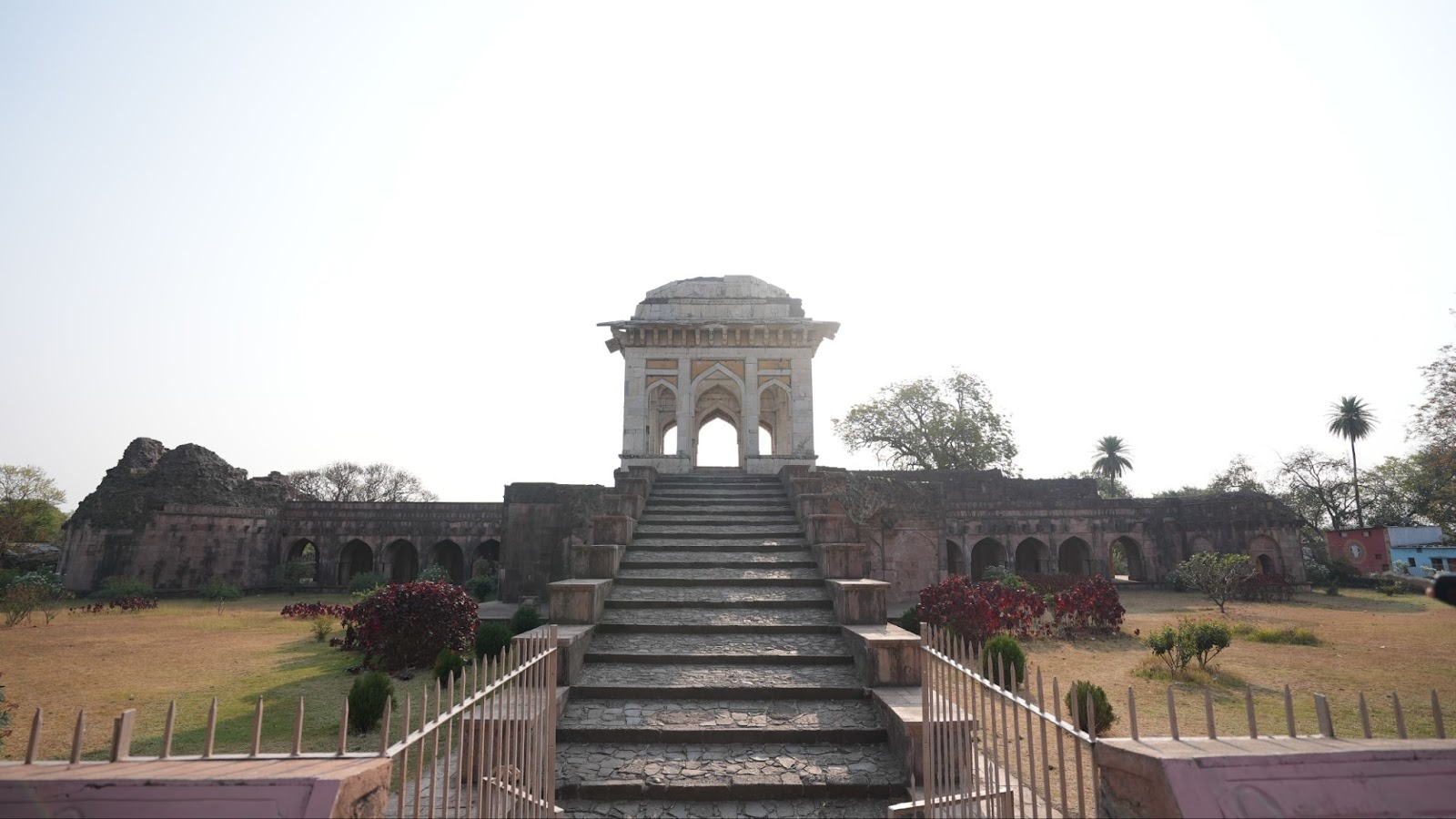
Hidden among the historic ruins of Mandu, Darya Khan’s Tomb is one of the region’s most remarkable examples of medieval Islamic architecture. Though often overshadowed by famous monuments such as Jahaz Mahal and Hoshang Shah’s Tomb, this elegant mausoleum offers visitors a fascinating glimpse into the architectural brilliance of the Malwa Sultanate period. Surrounded by other historic structures, the tomb stands as a testament to the influence and status of Darya Khan, a prominent court official during the reign of Sultan Mahmud Khilji II.
The monument is known for its graceful design, intricate decorative details, and peaceful setting, making it a rewarding stop for history enthusiasts, architecture lovers, and travelers exploring the lesser-known corners of Mandu.
History and Architecture
Darya Khan’s Tomb was built between 1510 and 1526 CE by Darya Khan himself, who served as an important officer in the court of Sultan Mahmud Khilji II. Following his death, he was laid to rest within the monument, which continues to bear his name to this day.
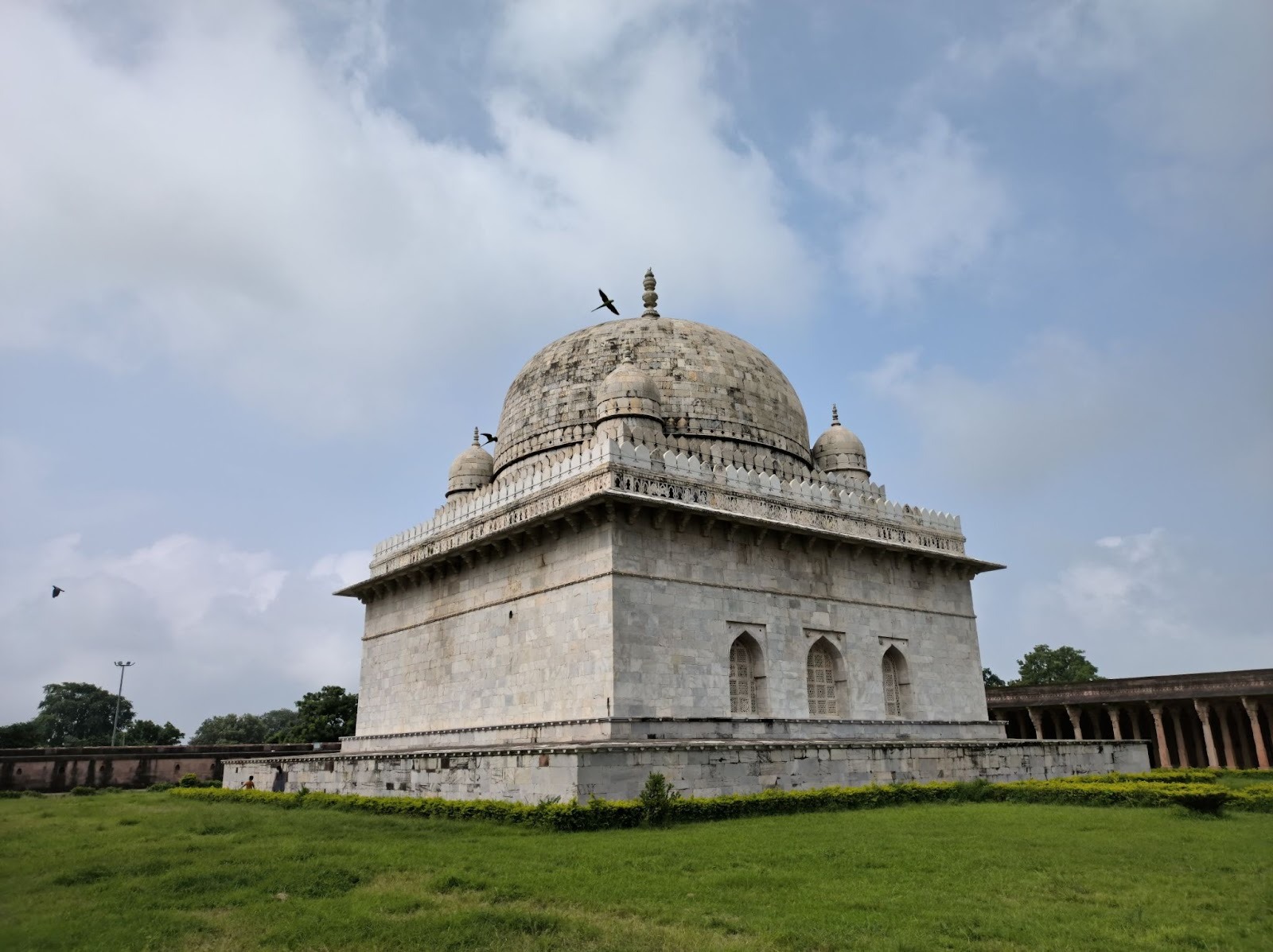
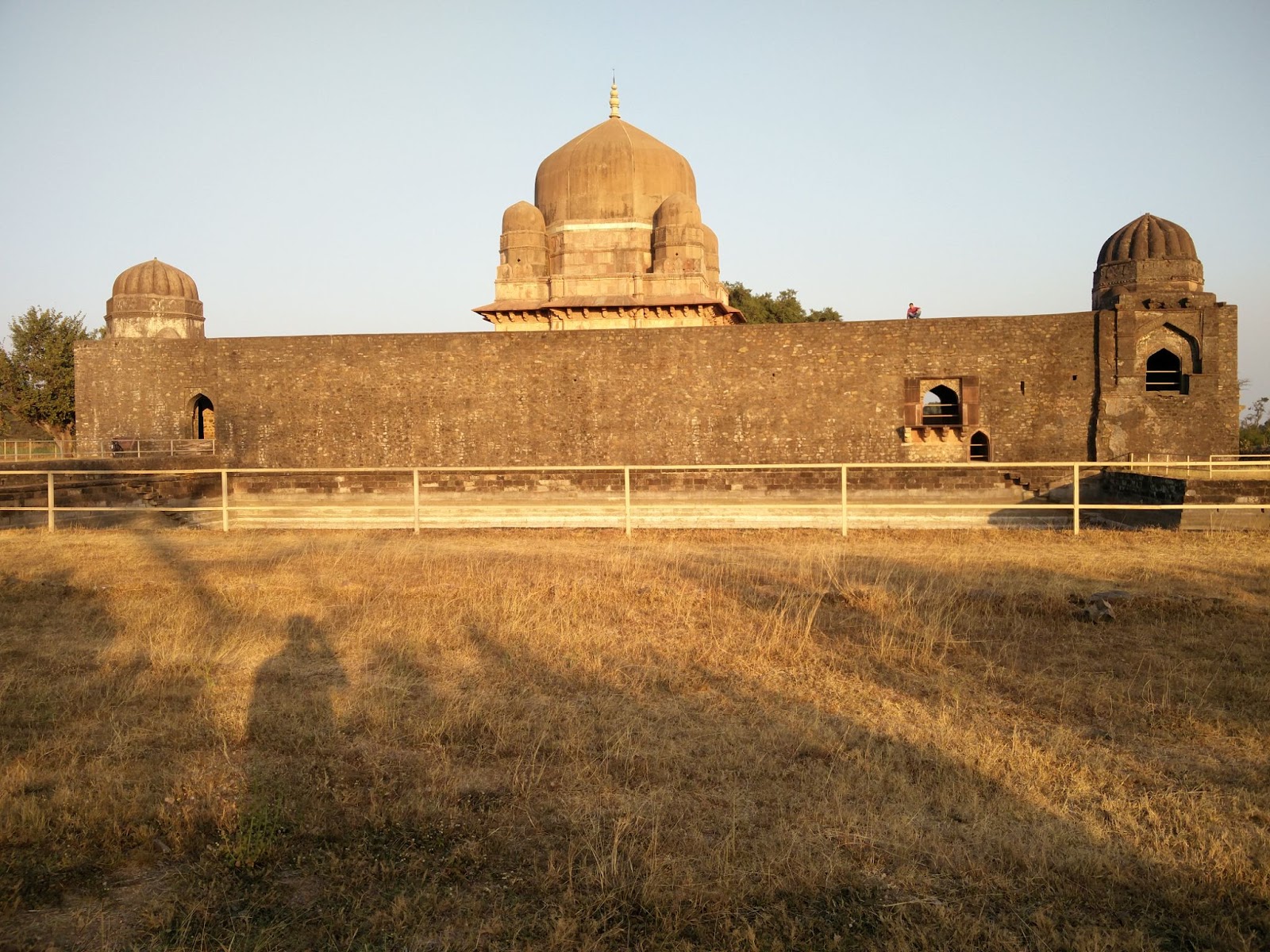
The tomb forms part of the larger Darya Khan Group of Monuments, an important collection of historical structures in Mandu. Constructed primarily from red sandstone and masonry, the monument reflects the distinctive architectural style of the late Malwa Sultanate. Despite its red-colored exterior, the tomb bears a striking resemblance to the famous Hoshang Shah’s Tomb, showcasing the architectural influences that shaped the region during that period.
Built on a raised platform, the mausoleum immediately captures attention with its imposing structure. The exterior walls are decorated with traces of colored enamel work arranged in intricate patterns, adding visual elegance to the monument. The central chamber is square in plan, while arches rising from the corners support the massive dome above. The architectural design demonstrates a sophisticated understanding of balance, symmetry, and engineering.
One of the most attractive features of the tomb is its decorative stone lattice screens, or jalis, which allow natural light and air to enter the interior while creating beautiful patterns of light and shadow. A band of small arches embellished with blue tile work adds further charm to the otherwise understated decoration.
Inside the tomb are three graves, including that of Darya Khan and members of his family. Above, the roofline is crowned by a large central dome flanked by smaller domes at the northern and southern ends, creating a striking silhouette against the Mandu skyline.
Nearby Structures
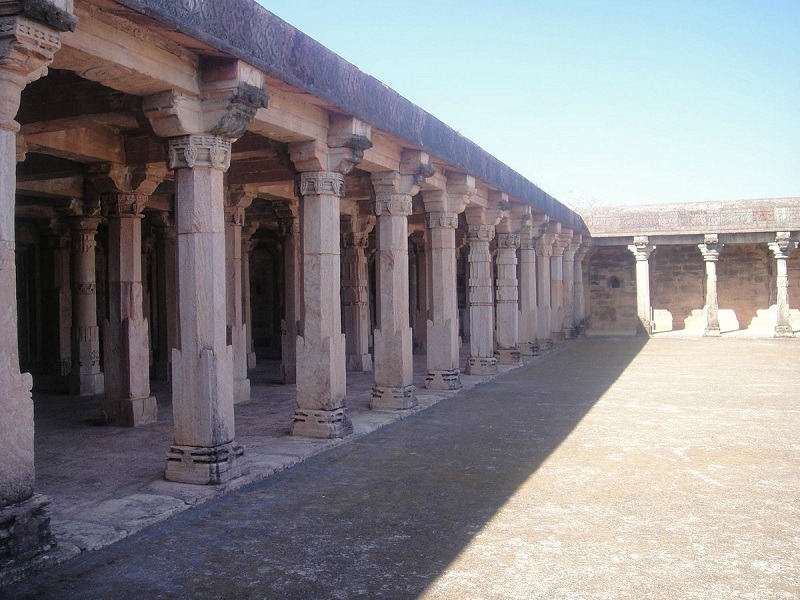
To the northwest of the main mausoleum stands an unidentified tomb that remains a subject of curiosity for historians. This rectangular structure features a triple-arched entrance and a central dome. A series of elegant arched gateways connects it to Darya Khan’s Tomb, adding to the site’s architectural appeal.
Adjacent to the southern wall lies Somvati Kund, a small brick-lined water tank that once served the local community. Continuing southwest from the kund, visitors can find the remains of an old inn, believed to have accommodated travelers and traders passing through Mandu during medieval times.
Best Time to Visit
The ideal time to visit Darya Khan’s Tomb is from October to March, when the weather is pleasant and comfortable for sightseeing. The monsoon season also adds a unique charm to Mandu, as the surrounding landscape becomes lush green and the historic ruins appear especially picturesque.
Early morning and late afternoon are excellent times to explore the monument and enjoy photography in softer natural light.
How to Reach Darya Khan’s Tomb
Darya Khan’s Tomb is located within the historic town of Mandu in the Dhar district of Madhya Pradesh and can be easily reached by road.
By Air: The nearest airport is Devi Ahilyabai Holkar Airport in Indore, approximately 100 km away. Taxis and buses are readily available from Indore to Mandu.
By Train: Indore Junction is the nearest major railway station, well connected to cities across India. Visitors can hire a taxi or board a bus to Mandu from the station.
By Road: Mandu is about 35 km from Dhar and around 100 km from Indore. Regular buses, private taxis, and self-drive vehicles provide convenient access to the town.
Local Transport: Once in Mandu, auto-rickshaws, taxis, and local guides can help visitors reach Darya Khan’s Tomb and explore nearby historical sites.
Nearby Attractions
Hoshang Shah’s Tomb
India’s first marble mausoleum and one of Mandu’s most celebrated monuments, known for its elegant Afghan-inspired architecture.
Jahaz Mahal
A spectacular palace situated between two lakes, famous for its ship-like appearance and stunning views.
Hindola Mahal
Popularly known as the “Swinging Palace,” this structure is renowned for its sloping walls and unique design.
Jami Masjid
One of the largest and most impressive mosques in central India, inspired by the Great Mosque of Damascus.
Baz Bahadur Palace
A beautiful palace associated with the legendary romance of Baz Bahadur and Rani Roopmati.
Rani Roopmati Pavilion
A hilltop pavilion offering panoramic views of the Narmada Valley and the surrounding countryside.
Rewa Kund
A historic reservoir linked to the love story of Baz Bahadur and Rani Roopmati.
Timing of Darya Khan’s Tomb
8 am – 6 pm.
Entry fees
Indian – Rs 25.
Foreigner – Rs 100.
Maps
Situated near Haathi Mahal, Darya Khan’s tomb is located 2 kilometers from the Mandu bus stand.
FAQs
Who was Darya Khan?
Darya Khan was an important court official who served under Sultan Mahmud Khilji II of the Malwa Sultanate.
When was Darya Khan’s Tomb built?
The tomb was constructed between 1510 and 1526 CE during the later years of the Malwa Sultanate.
What makes the tomb architecturally significant?
Its large central dome, elegant arches, stone lattice screens, blue-tiled ornamentation, and red sandstone construction make it a fine example of medieval Islamic architecture.
Are there graves inside the tomb?
Yes, the tomb contains three graves, including that of Darya Khan and members of his family.
What is Somvati Kund?
Somvati Kund is a small brick-lined water tank located beside the southern wall of the tomb complex.
How much time is required to visit the site?
Most visitors spend around 30 to 45 minutes exploring the tomb and nearby structures.
Is photography allowed at Darya Khan’s Tomb?
Yes, photography is generally allowed and the monument offers excellent opportunities for architectural photography.
What is the best time of year to visit?
October to March is considered the best season due to pleasant weather conditions.
Is Darya Khan’s Tomb part of a larger monument complex?
Yes, it forms part of the Darya Khan Group of Monuments, which includes several historic structures nearby.
Can Darya Khan’s Tomb be visited along with other Mandu attractions?
Absolutely. The tomb is located close to many of Mandu’s major landmarks and can easily be included in a full-day heritage tour.